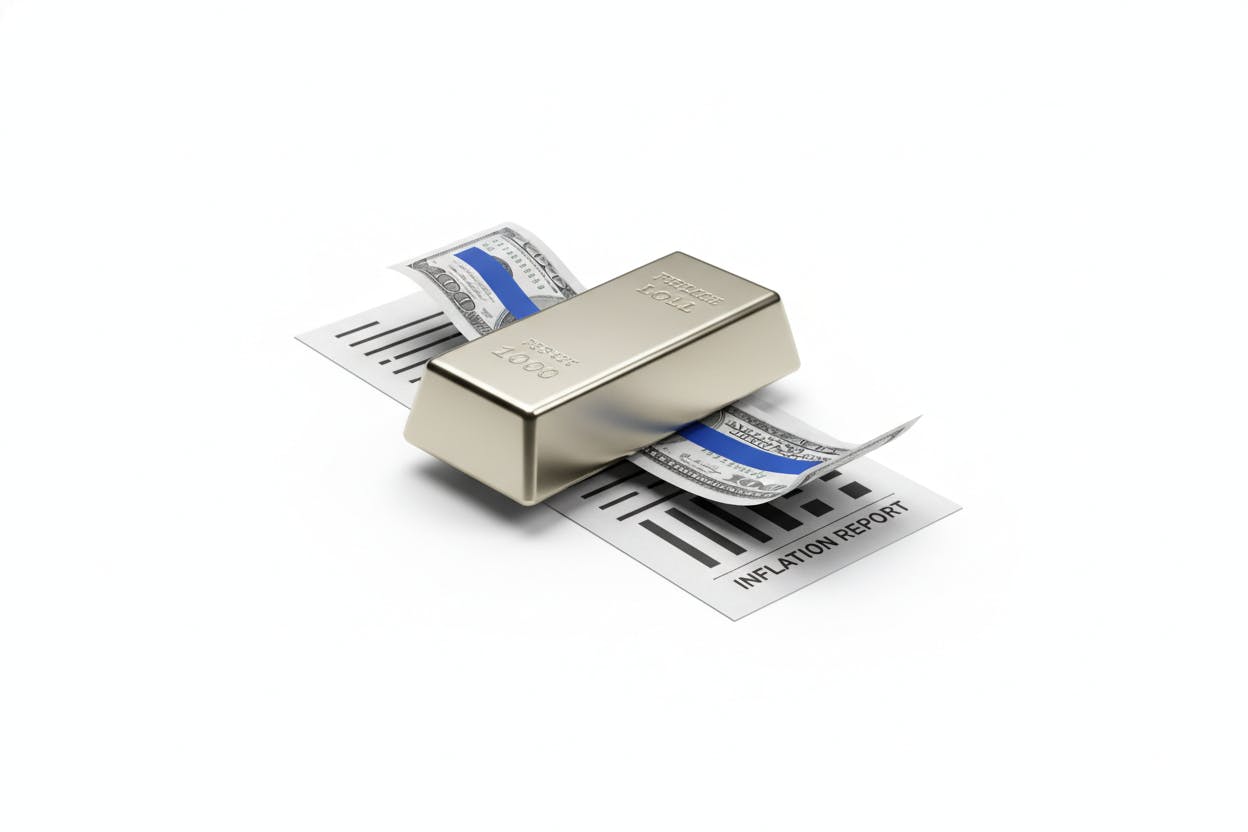
Gold prices climbed on Friday as the US dollar slipped and a softer-than-expected inflation reading prompted traders to dial back expectations for a Federal Reserve rate hike at its September meeting. The precious metal, which pays no interest, often benefits when investors anticipate that the central bank is nearing the end of its tightening cycle or preparing to cut rates.
What drove gold higher?
The catalyst was June's personal consumption expenditures (PCE) price index, the Fed's preferred inflation gauge, which fell 0.1% from the previous month. That decline surprised many analysts who had expected inflation to remain sticky. A cooler inflation print reduces the urgency for the Fed to raise rates further, making cash and bond yields less attractive relative to non-yielding assets like gold.
After the data release, the CME FedWatch Tool showed traders lowering the implied probability of a rate hike at the Fed's September 15-16 meeting to about 57%, down from roughly 77% before the central bank's last policy meeting. That shift in expectations weighed on the US dollar, which typically moves inversely to gold. A weaker dollar makes gold cheaper for buyers using other currencies, boosting demand.
Gold's rally also reflects a broader reassessment of the interest-rate outlook. When investors believe the Fed is closer to cutting rates or done hiking, the opportunity cost of holding gold—which generates no income—declines. That dynamic has historically supported gold prices during periods of monetary policy easing.
What the PCE data means for the Fed
The PCE price index is the Fed's primary inflation measure because it accounts for changes in consumer behavior and covers a broader range of goods and services than the consumer price index (CPI). A decline of 0.1% in the monthly reading is significant, especially after months of stubbornly elevated inflation. However, the year-over-year PCE rate remains above the Fed's 2% target, so policymakers are unlikely to declare victory yet.
The Fed has raised interest rates aggressively over the past year to combat inflation, pushing its benchmark rate to the highest level in decades. Higher rates have strengthened the dollar and weighed on gold, but any sign that inflation is cooling could prompt the central bank to pause or even reverse course. Traders will now focus on upcoming economic data, including jobs reports and consumer spending figures, for further clues about the Fed's next move.
For context, the dollar has been under pressure recently amid mixed signals from the Fed and geopolitical uncertainties. A weaker dollar not only boosts gold but also supports other commodities and emerging market currencies. In fact, emerging markets have been navigating a challenging environment as the Fed holds firm on rates and oil prices climb, but a softer dollar could provide some relief.
What it means for investors
For everyday investors, gold's latest move underscores the importance of understanding how interest-rate expectations drive asset prices. When the Fed signals a more dovish stance, gold often rallies, and bond yields tend to fall. Conversely, hawkish Fed comments can pressure gold and boost the dollar.
Investors should also note that gold is often used as a hedge against inflation and currency weakness. While the PCE data suggests inflation may be easing, the broader economic outlook remains uncertain. The Fed's next policy decision will depend on a range of factors, including employment data, consumer spending, and global economic conditions.
It's worth remembering that gold prices can be volatile in the short term, driven by shifts in sentiment and speculative trading. Long-term investors typically allocate a small portion of their portfolio to gold as a diversifier, not as a core holding. As always, it's important to consider your own financial goals and risk tolerance before making any investment decisions.
Looking ahead, traders will watch for further developments in the dollar and interest-rate markets. The dollar has firmed at times as the Fed's internal divisions and geopolitical events shift market focus, so gold's rally may face headwinds if the greenback strengthens again. For now, the cooler inflation print has given gold bulls a reason to cheer, but the path forward depends on whether the data trend continues.