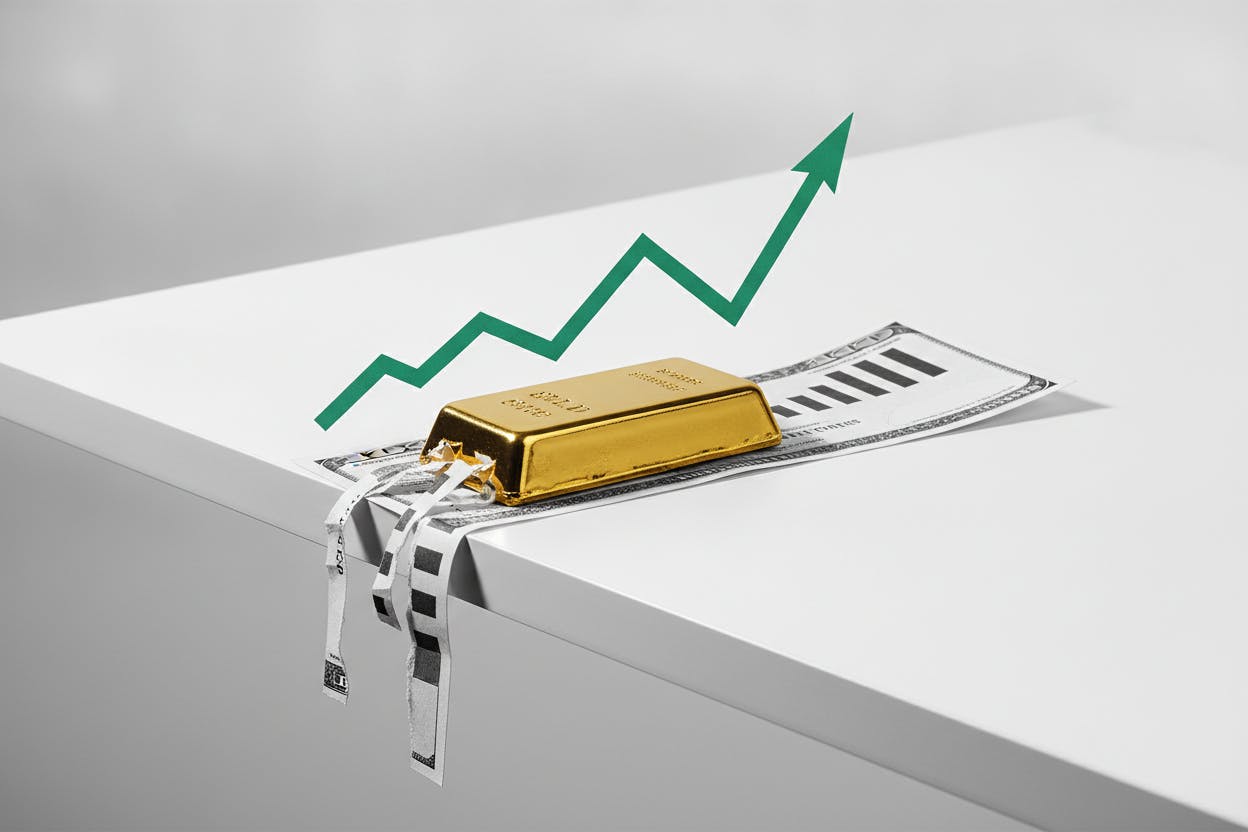
Gold prices pulled back on Thursday, slipping 0.8% after a sharp 4% jump the previous day. The retreat came as traders locked in profits and digested a mix of signals: minutes from the Federal Reserve's latest meeting leaned hawkish, while oil prices ticked higher, adding to inflation concerns.
The pullback is a reminder that gold's recent moves have been driven by a tug-of-war between forces that support the metal and those that weigh on it. On one hand, gold is often seen as a hedge against inflation and economic uncertainty. On the other, higher interest rates tend to dull its appeal because gold pays no interest, making yield-bearing assets like bonds more attractive in comparison.
What drove the rally—and the retreat
Wednesday's surge wasn't just about inflation fears. A key catalyst was the U.S. Treasury's announcement that it would increase buybacks of longer-dated government bonds. That move coincided with a weaker U.S. dollar and lower bond yields, both of which typically support gold prices.
Here's the link: when the government retires long-maturity bonds, investors have less long-term interest-rate risk to absorb. That can nudge down “real yields”—the inflation-adjusted return on bonds. Lower real yields make non-yielding assets like gold more competitive, which helps explain the metal's jump.
But Thursday's profit-taking shows that momentum can reverse quickly. After a 4% move, some traders naturally cash in gains, especially when the outlook is clouded by central bank policy signals.
The Fed's hawkish tilt
The Federal Reserve's minutes from its most recent policy meeting revealed a cautious tone. Policymakers appeared wary of cutting interest rates too soon, especially if inflation proves sticky. That stance is generally negative for gold, as higher-for-longer rates increase the opportunity cost of holding the metal.
At the same time, oil prices have been creeping higher. Rising energy costs can feed into broader inflation, which might normally support gold as a hedge. But in the current environment, higher oil also raises the risk that central banks keep rates elevated, which can offset gold's inflation-hedge appeal.
This mixed backdrop is why gold's path has been choppy. Investors are trying to gauge whether inflation will cool enough for the Fed to cut rates, or whether it will persist and keep policy tight.
What it means for everyday investors
For ordinary investors, gold's swings are a reminder that the metal is not a one-way bet. It can serve as a portfolio diversifier and a hedge against inflation or geopolitical shocks, but it also carries volatility and doesn't generate income. Prices can move sharply on central bank signals, currency shifts, or changes in bond market dynamics.
If you hold gold—directly or through funds—it's worth watching the same indicators that move the metal: the dollar, real yields, and Fed policy expectations. A weaker dollar and falling real yields tend to lift gold; the opposite can drag it down.
It's also important to remember that short-term moves like Thursday's pullback are normal. A 4% jump followed by a 0.8% dip is not unusual in a market that often reacts to headlines. The key is whether the underlying drivers—inflation, interest rates, and global risk sentiment—shift in a sustained way.
For those considering adding gold to their portfolio, the current environment offers both opportunities and risks. The metal has benefited from inflation concerns and central bank buying, but it also faces headwinds from potentially higher-for-longer rates. As always, diversification and a long-term perspective are crucial.
Related coverage: TSX futures slip as gold retreats and Treasury buybacks ease yield fears.