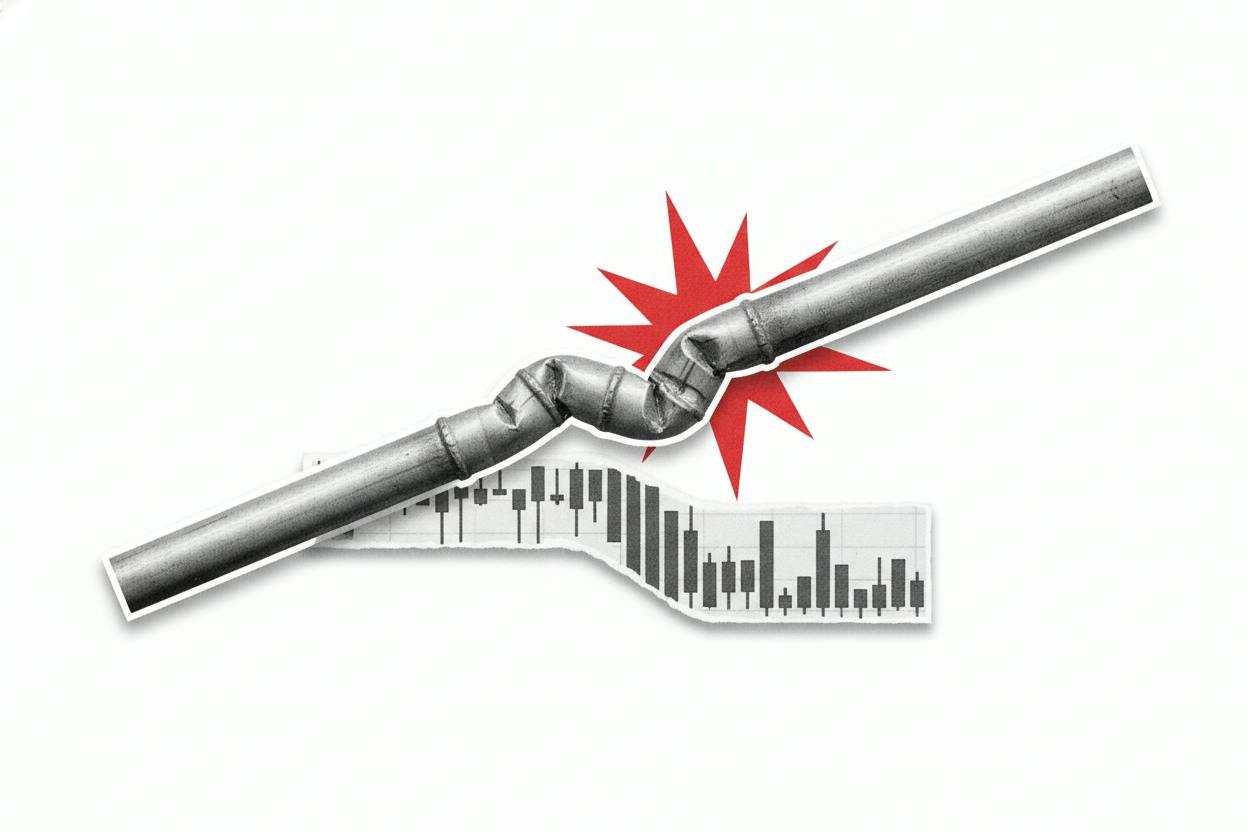
Gold prices edged lower on Thursday as a rise in US 10-year Treasury yields and shifting expectations for Federal Reserve policy dampened demand for the precious metal. The move comes as traders await the release of June personal consumption expenditures (PCE) inflation data, which could provide further signals on the path of interest rates.
Bullion, which pays no interest or dividends, tends to lose its appeal when bonds offer higher returns. That dynamic played out as the benchmark 10-year Treasury yield firmed, making the non-yielding asset less attractive by comparison. The yield on the 10-year note has been climbing in recent sessions, reflecting a broader reassessment of the interest rate outlook.
Why gold is sensitive to yields
Gold's relationship with bond yields is a key driver for the metal. When yields rise, the opportunity cost of holding gold increases because investors could earn a return from bonds instead. This is especially true for so-called real yields, which adjust nominal bond returns for expected inflation. If investors believe inflation will remain sticky and the Fed will keep rates higher for longer, real yields can rise too, further pressuring gold.
The Federal Reserve left its benchmark interest rate unchanged at its latest meeting on Wednesday, as widely expected. But the central bank's commentary and projections have kept markets guessing about the timing and pace of any future rate cuts. Higher rates tend to strengthen the US dollar, which also weighs on gold priced in dollars by making it more expensive for holders of other currencies.
For context, gold has historically been seen as a hedge against inflation and currency debasement, but its performance in a rising rate environment can be mixed. When the Fed is hiking or holding rates steady to combat inflation, the metal often struggles as investors favor yield-bearing assets. The recent move in Treasury yields echoes a broader trend: long-term bond yields have been testing multi-year highs, adding to the headwinds for gold.
What to watch next: PCE inflation data
All eyes are now on the June PCE price index, the Fed's preferred inflation gauge, due for release later this week. The data will give investors a clearer picture of whether inflation is cooling enough to allow the central bank to begin cutting rates later this year. A hotter-than-expected reading could reinforce the higher-for-longer narrative, potentially pushing yields even higher and putting further pressure on gold. Conversely, a softer print might revive hopes for rate cuts and provide some relief for bullion.
The PCE report follows recent consumer and producer price data that showed some moderation in price pressures, though inflation remains above the Fed's 2% target. Markets are currently pricing in a significant chance of a rate cut by September, but that view could shift depending on the PCE numbers.
Gold's recent dip also comes against a backdrop of mixed signals from other markets. Industrial metals like copper have been under pressure from a firmer dollar and easing supply tightness in China, while geopolitical tensions have supported some safe-haven demand. Gold, however, remains sensitive to the interplay of yields, the dollar, and Fed expectations.
What it means for investors
For everyday investors, the gold price move is a reminder of how interconnected financial markets are. When bond yields rise, it can ripple through asset classes, affecting everything from gold to stocks. The key takeaway is that gold's performance is heavily influenced by real interest rates and the dollar, not just inflation fears.
Investors holding gold or gold-related exchange-traded funds (ETFs) should be aware that the metal could remain under pressure if yields continue to climb and the Fed stays on hold. However, gold can also act as a portfolio diversifier, and its price may find support if economic growth slows or geopolitical risks escalate.
As always, it's important to consider your own investment goals and risk tolerance rather than making short-term bets based on a single data point. The upcoming PCE report will be a crucial input for the Fed's decision-making, and its impact on gold and broader markets will be closely watched.