Gold prices edged higher on Thursday, recovering some ground as the US dollar softened, even as fresh data showed the Federal Reserve's preferred inflation measure continued to run hot. August gold futures rose 0.7% to settle at US$4,035.40 per ounce, bouncing from its lowest level since early November.
The move came as the ICE US Dollar Index slipped 0.1 point to 101.29, giving back some of its recent gains. Treasury yields were little changed, with the two-year note at 4.131% and the 10-year at 4.391%, suggesting the day's price action was more about currency dynamics than interest rate expectations.
Inflation Still Running Hot
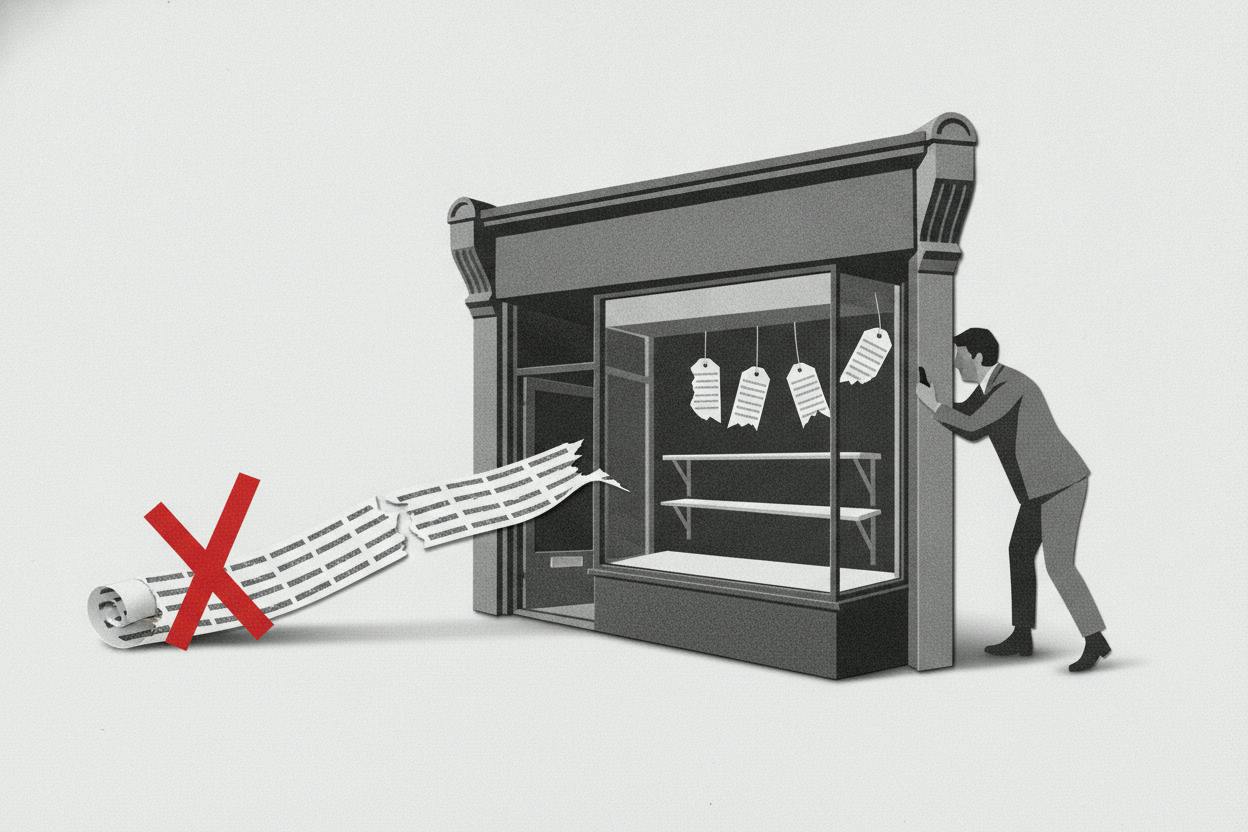
The US Bureau of Economic Analysis reported that the personal consumption expenditures (PCE) price index — the Fed's preferred inflation gauge — rose at a 4.1% annualized pace in May, up from 3.8% in April. Core PCE, which strips out volatile food and energy prices, edged up to 3.4% from 3.3%. Both readings were in line with economists' forecasts.
Hotter inflation typically supports the case for the Fed to keep interest rates elevated, which tends to boost the dollar and make non-yielding assets like gold less attractive. But Thursday's market reaction suggests investors are looking beyond the headline numbers.
Why the Dollar Matters More Right Now
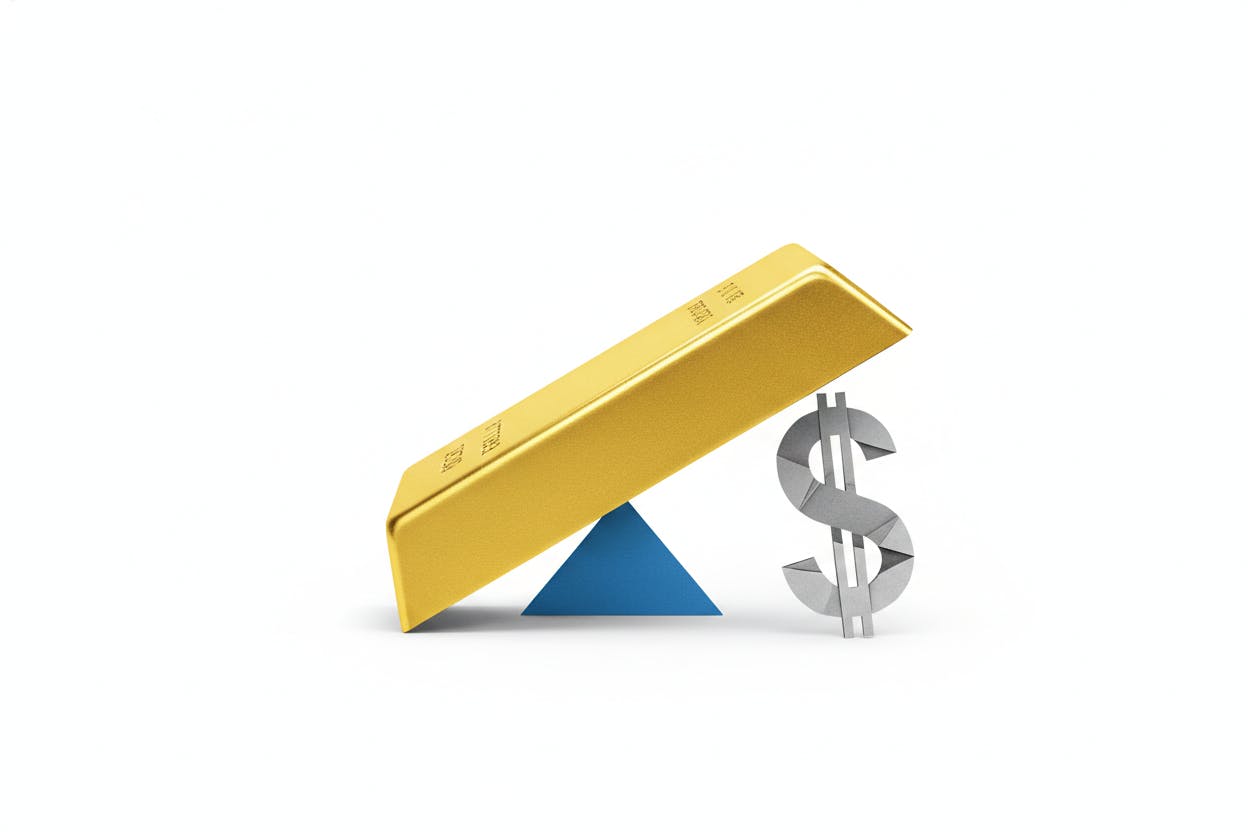
For gold investors, the key relationship to watch may be the dollar rather than inflation data itself. When Treasury yields are essentially flat, gold often trades through what analysts call the "translation channel": a softer dollar mechanically lifts the US-dollar price of gold and makes the metal cheaper for buyers using other currencies.
The reverse is also true. A strong dollar can tighten financial conditions and raise the practical hurdle for holding an asset that doesn't pay interest. That dynamic helps explain why gold can slide even when inflation data comes in as expected — as happened recently when the metal hit its lowest level since November 6th.
In the near term, gold may stay more sensitive to whether the dollar can hold onto its recent strength than to small wiggles in inflation or yields. The dollar index has been hovering near 13-month highs, and any sustained pullback could provide further support for gold.
What This Means for Investors
For everyday investors, the takeaway is that gold's price is influenced by a complex mix of factors — inflation, interest rates, and currency movements — and the relative importance of each can shift quickly. While higher inflation readings might seem supportive for gold as a hedge, the reality is that the metal often struggles when the Fed is actively fighting inflation by raising rates.
The current environment, where inflation remains sticky but the dollar is taking a breather, creates a mixed picture. Gold has found some support above the $4,000 level, but sustained gains may require a clearer signal that the Fed is done hiking rates or that the dollar's rally has run its course.
Investors should also keep an eye on broader market dynamics. A weaker dollar has helped lift other commodities as well — copper bounced 1.1% on Thursday as bargain hunters stepped in after a two-day slide. And the latest consumer spending data showed a 0.7% rise in both spending and income in May, suggesting the economy remains resilient even as inflation persists.
Looking Ahead
Gold's path forward will likely depend on the interplay between inflation data, Fed policy signals, and currency markets. If the dollar continues to ease, gold could extend its recovery. But if inflation remains stubborn and the Fed maintains its hawkish stance, the dollar could regain strength and pressure gold once again.
For now, the metal appears to have found a floor around the $4,000 level, but the next leg higher may require a more decisive shift in the macro backdrop. As always, investors should focus on their own time horizons and risk tolerance rather than trying to time short-term moves in any single asset.