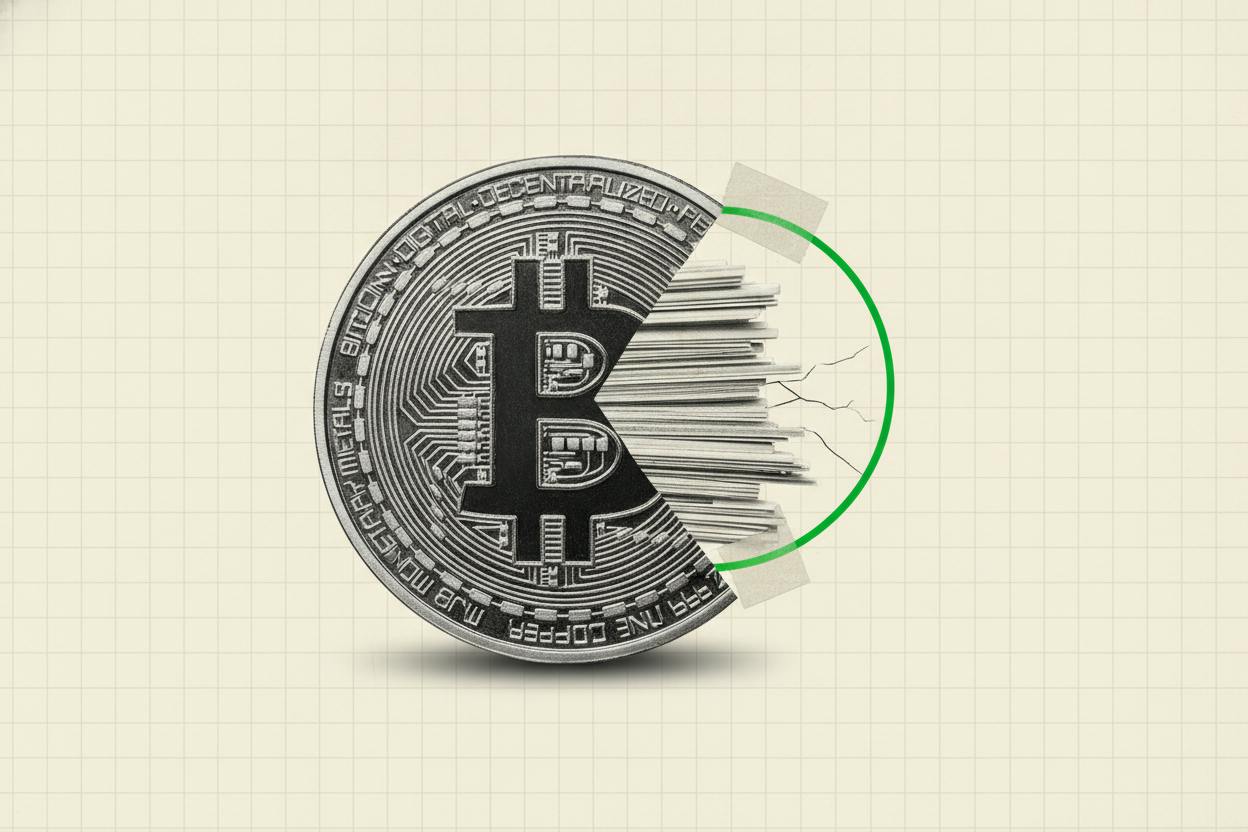
A consortium of 21 major financial institutions, including Goldman Sachs, Bank of America, Citi, and Deutsche Bank, announced plans to create a new company this year and launch a US dollar-pegged stablecoin in the first half of 2027. The initiative marks one of the most significant steps yet by traditional banks into the world of digital currencies.
What is a stablecoin?
Stablecoins are a type of cryptocurrency designed to hold a steady value, usually by being backed one-to-one by a traditional currency like the US dollar. Unlike Bitcoin or Ethereum, whose prices swing wildly, a dollar-pegged stablecoin aims to always be worth $1. This stability makes them useful for payments, trading, and as a safe place to park money within the crypto ecosystem.
Currently, the stablecoin market is dominated by private issuers such as Tether and Circle, which are not traditional banks. These companies hold reserves—often in short-term government debt—to back their tokens. But their rapid growth has drawn regulatory scrutiny, with concerns about transparency and the safety of those reserves.
Why are banks getting involved?
Banks have been watching the rise of stablecoins with a mix of caution and interest. On one hand, stablecoins could threaten banks' role in the payments system by offering a faster, cheaper way to move money. On the other, they represent a potential new revenue stream and a way to keep large institutions relevant in a digital-first financial world.
By forming their own company and issuing a dollar-backed token, these 21 banks are signaling that they want a seat at the table. The group includes some of the largest names in global finance, giving the project significant credibility. The plan is to set up the company this year and have the token live by mid-2027.
This is not the first time banks have explored digital currencies. Several central banks are experimenting with their own digital versions of cash, and some commercial banks have run pilot programs for blockchain-based deposits. But a coordinated effort by this many major institutions to issue a stablecoin is relatively new.
What it means for investors
For everyday investors, this development is worth watching for a few reasons. First, it could change how money moves around the world. If bank-backed stablecoins gain traction, they might become a common way to settle trades, send remittances, or even pay for goods—potentially making transactions faster and cheaper.
Second, it could affect the broader crypto market. A bank-issued dollar token would compete directly with existing stablecoins like Tether and USD Coin. That competition could lead to lower fees and more choices for users, but it could also squeeze the profits of current issuers.
Third, the move signals that major financial institutions are taking digital assets seriously. That could boost confidence in the overall crypto sector, which has been through boom-and-bust cycles. However, it also means more regulation is likely, as banks will be subject to strict oversight.
For investors holding crypto or considering it, the entry of big banks could bring more stability and legitimacy—but it also introduces new risks. Regulatory changes, technological glitches, or a failure to gain adoption could all affect the success of such a project.
What to watch next
Investors should keep an eye on how regulators respond. In the US, the regulatory framework for stablecoins is still evolving. The Federal Reserve and other agencies have been debating whether to treat stablecoin issuers like banks, which would impose capital and reserve requirements. A bank-led stablecoin might actually be welcomed by regulators, as it would fall under existing banking supervision.
Also watch for details on the new company's structure, leadership, and technology. The group has not yet named the company or specified which blockchain platform it will use. Those details could influence how quickly the project moves and how it is received.
Finally, the broader economic backdrop matters. The dollar's strength, interest rates, and the health of the banking sector all play a role in how digital assets are perceived. For instance, if the dollar weakens, investors might look to alternatives, including stablecoins—though those are still pegged to the dollar.
In the meantime, the news adds to a growing list of traditional finance players embracing crypto. From dollar movements to bank earnings, the financial world is clearly evolving. This stablecoin initiative is just one more sign that digital assets are becoming mainstream.