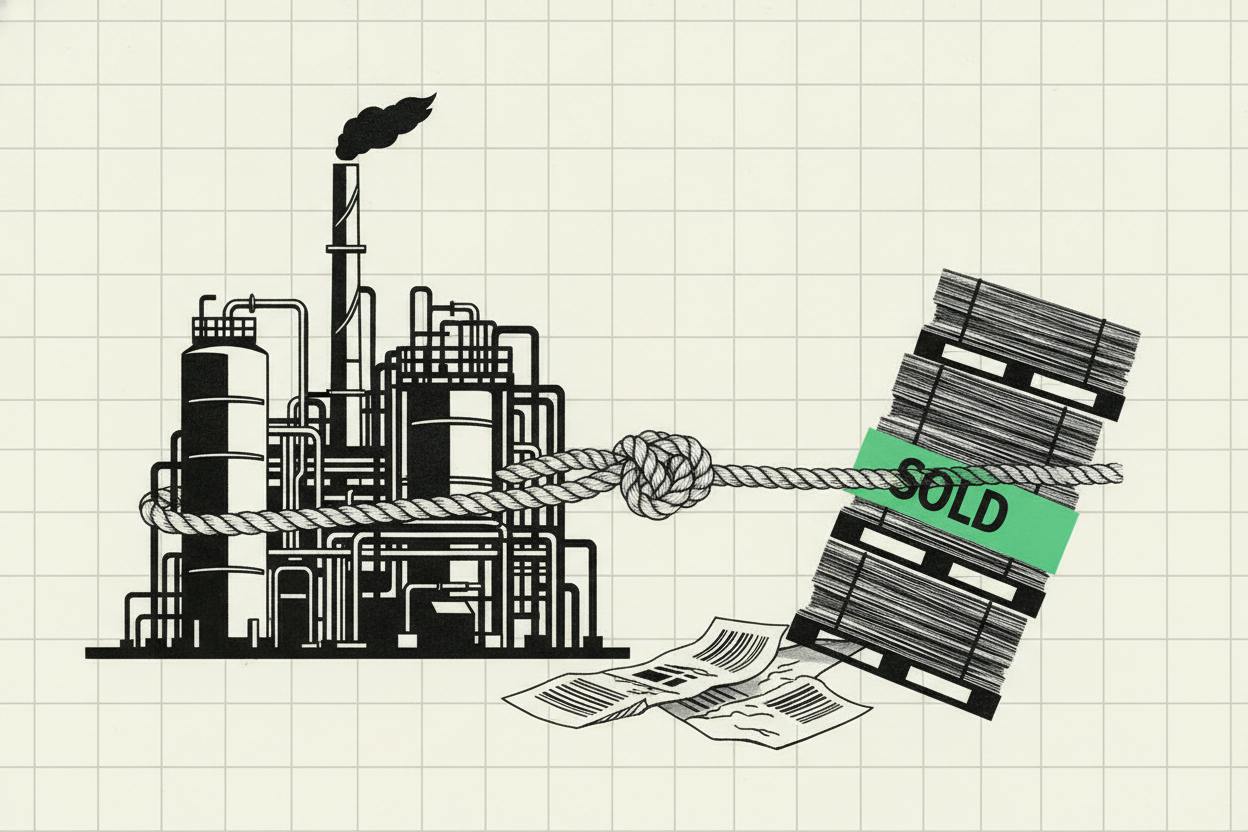
Grasim Industries, the flagship company of the Aditya Birla Group, reported a sharp jump in quarterly standalone profit, thanks largely to a hefty dividend from its listed cement subsidiary, UltraTech Cement. For the quarter ended September 30, Grasim's standalone net profit came in at 23.06 billion rupees (about $275 million), up from 8.05 billion rupees a year earlier—a gain of roughly 186%.
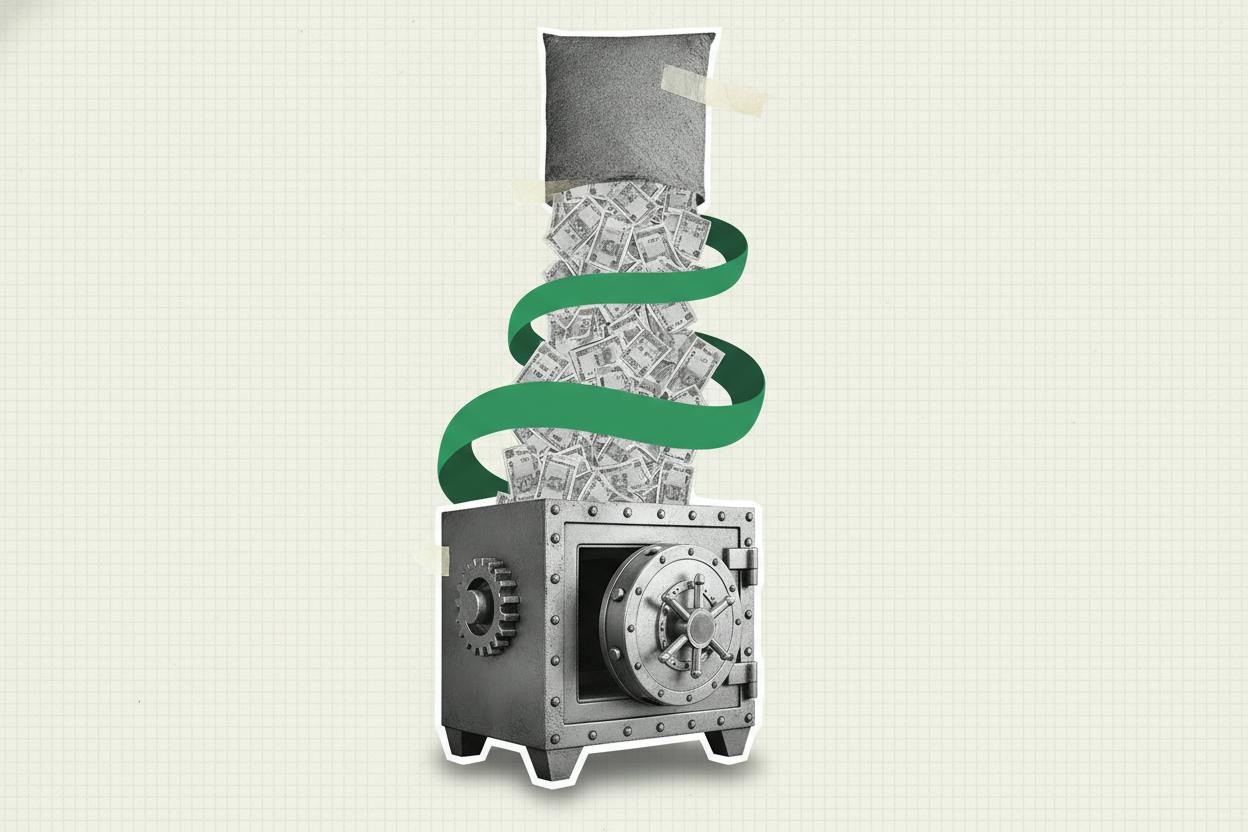
The main driver was dividend income from UltraTech, which totaled 39.68 billion rupees. That payout helped lift Grasim's operating profit by 158% year-on-year to 46.15 billion rupees. Revenue from operations rose nearly 33% to 127.47 billion rupees.
Why a parent's profit can swing on dividends
Grasim is a diversified conglomerate with interests in viscose, chemicals, and building materials, but it also holds a majority stake in UltraTech Cement, India's largest cement maker. When a subsidiary like UltraTech declares a dividend, the parent company receives a share of that payout, which shows up as income on its own books.
This is a common dynamic in corporate groups: a parent's standalone results can be heavily influenced by cash flows from its subsidiaries. In this case, the dividend from UltraTech was a one-time boost, not a reflection of Grasim's core operating performance. Investors should be aware that such income can be lumpy and may not repeat every quarter.
The dividend also highlights the financial strength of UltraTech, which has been generating strong cash flows. For Grasim, the payout provides a cushion and could support its own capital needs or shareholder returns.
What it means for investors
For everyday investors, the key takeaway is that a parent company's profit can be flattered by dividends from its subsidiaries. While that's a positive sign—it shows the subsidiary is profitable and willing to return cash—it's not the same as organic growth in the parent's own businesses.
Grasim's core operations, which include viscose staple fibre and chemicals, also contributed to the revenue growth, but the profit surge was largely a function of the dividend. Investors should look beyond the headline number to understand the quality of earnings.
This kind of situation is not unique to Grasim. Many conglomerates across Asia and elsewhere see their results swing based on subsidiary payouts. For example, Singtel's recent profit climb was partly driven by contributions from its regional associates. Similarly, MBRF's profit jump came from a strong performance in its beef unit, showing how a single segment can move the needle.
Investors should also consider that Grasim's standalone profit is only part of the picture. The company also reports consolidated results that include UltraTech's full operations. The standalone numbers give a view of the parent's own performance, but the consolidated figures provide a broader look at the group's health.
Looking ahead
Going forward, investors will likely watch whether UltraTech continues to pay generous dividends, and whether Grasim's core businesses can sustain their growth. The company's ability to generate cash from its subsidiaries is a plus, but it's not a substitute for strong operational performance.
For those holding Grasim shares, the dividend income is a reminder of the value that can flow from a well-performing subsidiary. But it's also a reason to stay focused on the underlying businesses, as one-time gains can distort quarterly comparisons.
In the broader market context, this earnings report comes as investors are paying close attention to corporate results for signs of strength. While Grasim's profit surge is notable, it's important to remember that not all profit growth is created equal.