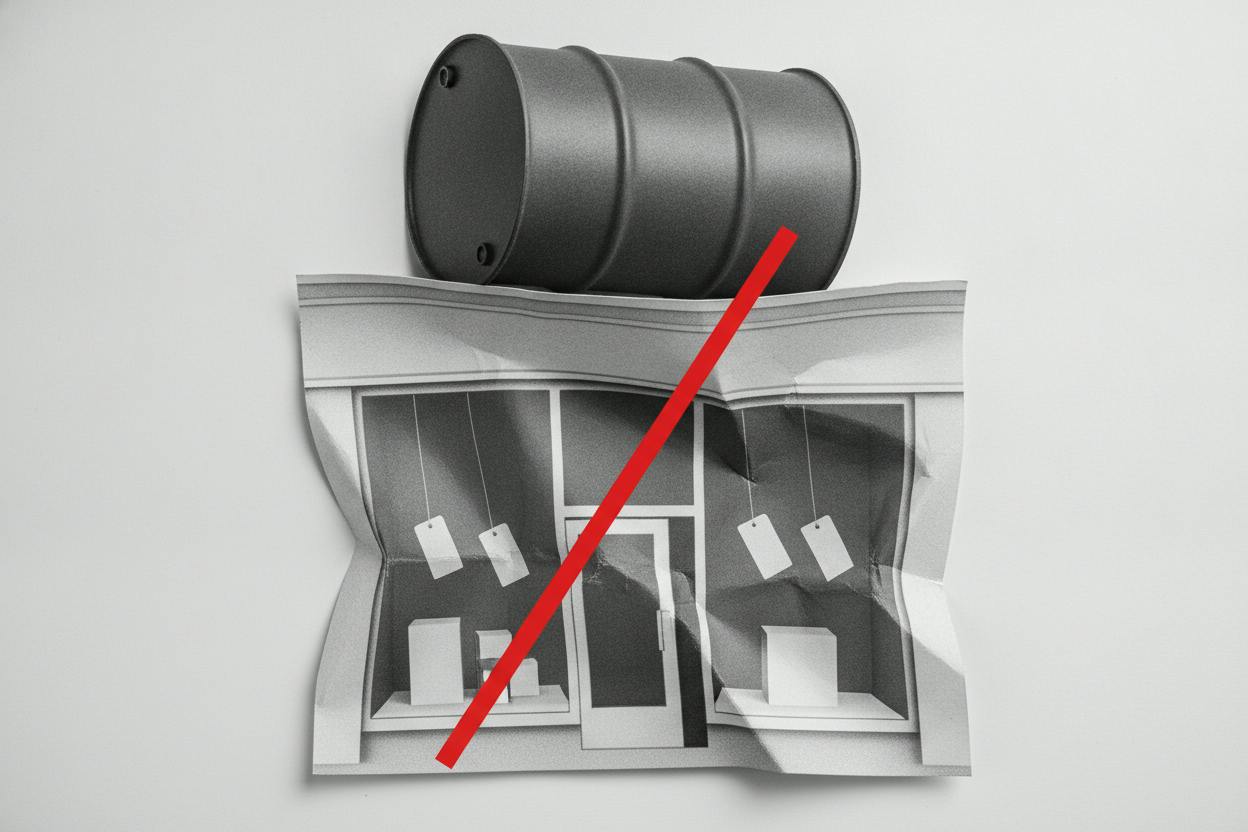
Kering, the French luxury group that owns Gucci, saw its shares plunge 12% after the brand reported another drop in sales. The pain didn't stop there: rivals LVMH and Hermès also slipped, as investors worried that Gucci's troubles are a sign of something bigger in the luxury market.
What's behind the slump?
Gucci, long one of the most recognizable names in high fashion, has been struggling to win back shoppers. The company said it's sticking with CEO Luca de Meo's turnaround plan and will speed up store closures, aiming to have 125 fewer stores by the end of the year. That's a clear signal that management is willing to shrink the brand to fix it.
But the numbers are still weak. Gucci's sales fell 6% as fewer customers walked into its own stores. JPMorgan, a major US bank, noted that signs of the brand becoming more "desirable" again are still early. In other words, the recovery is far from assured.
The market is treating this as more than just a single-brand stumble. Reuters pointed to a tougher backdrop: weaker demand from China, a key market for luxury goods, and higher oil prices that add to household pressure. When people feel squeezed financially, even the wealthy think twice about splurging on a designer handbag.
Why it matters for the whole sector
Luxury stocks are often seen as a bellwether for consumer confidence, especially among the affluent. When Gucci sneezes, the rest of the sector catches a cold. LVMH, which owns Louis Vuitton and Dior, and Hermès, known for its Birkin bags, both saw their shares dip. That's a sign that investors are worried about demand across the board, not just at one brand.
China has been the engine of luxury growth for years, but its economy has slowed, and consumer spending has become more cautious. Meanwhile, oil prices have climbed, which can eat into disposable income and dampen spending on non-essentials. For a sector that thrives on discretionary spending, that's a double whammy.
This isn't the first time luxury has faced headwinds. In past downturns, high-end brands have often proven resilient, but the current mix of weak Chinese demand and rising costs is testing that resilience. Investors are now watching to see if other luxury names report similar weakness in the coming weeks.
What it means for investors
For everyday investors, the key takeaway is that luxury stocks are not immune to broader economic forces. Even the most iconic brands can struggle when consumer sentiment turns. The 12% drop in Kering's shares is a stark reminder that stock prices can be volatile, especially when a company is in the middle of a turnaround.
If you own shares in luxury companies directly or through a fund, it's worth paying attention to how they're navigating these challenges. Store closures and turnaround plans can take time to show results, and there's no guarantee they'll work. Analysts like JPMorgan are cautious, and that caution is reflected in the market's reaction.
On the flip side, some investors see dips like this as a potential opportunity, but it's important to remember that catching a falling knife is risky. The luxury sector could recover if Chinese demand picks up or if oil prices ease, but that's far from certain.
For now, the message from the market is clear: the luxury sector is facing a tough patch, and Gucci's problems are a symptom of a wider trend. As always, diversification and a long-term perspective are your best defenses against sector-specific shocks.



