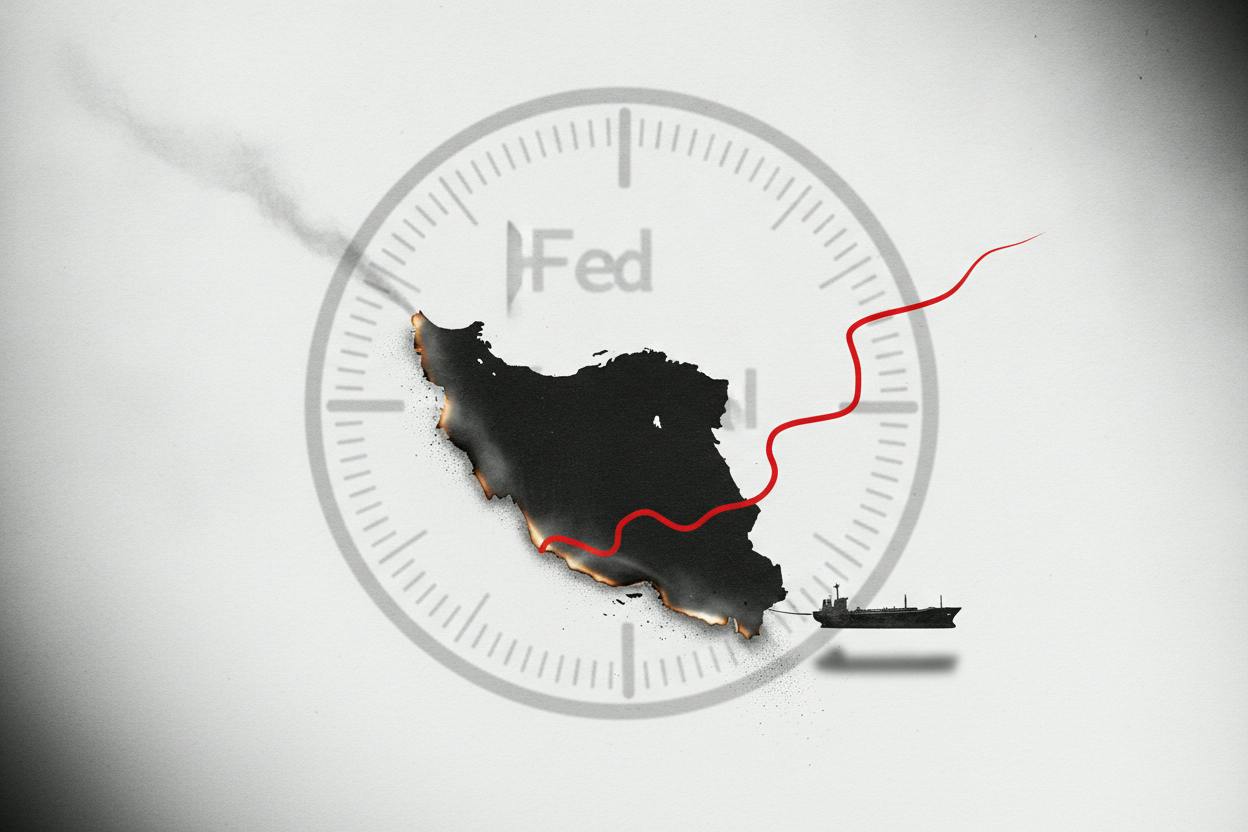
Gulf stock markets edged lower on Wednesday as investors juggled two worries: escalating security tensions linked to Iran and the prospect of another US interest rate hike. Saudi Arabia's and Dubai's main benchmarks each fell 0.4%, while Abu Dhabi eased 0.1% and Qatar slid 0.8%. The moves were relatively contained, but they highlight how regional markets are being pulled by geopolitical headlines and global monetary policy at the same time.
What's driving the jitters?
The security backdrop turned tense after a series of reported incidents. Bahrain said it intercepted aerial attacks and accused Iran of persistent targeting. Iranian media, meanwhile, said Tehran had struck US drone and missile sites in Kuwait in retaliation for earlier US strikes. Adding to the unease, Iran's navy reported that three oil tankers caught fire after striking naval mines east of the Strait of Hormuz, according to Iran's Press TV.
The Strait of Hormuz is a critical chokepoint for global oil shipments, and any disruption there can quickly ripple through energy markets and investor sentiment. Even though the reported incidents didn't cause a major sell-off, they serve as a reminder of how fragile supply routes in the region can be.
But the bigger through-line for Gulf investors is the Federal Reserve. Minutes from the Fed's October meeting showed officials still worried that inflation could force tighter policy. Futures markets were pricing in about a 90% chance of a quarter-point rate hike in December. That expectation has been a key driver for markets worldwide, and the Gulf is no exception.
Why the Fed matters for Gulf stocks
Most Gulf currencies are pegged to the US dollar, which means local central banks often shadow Fed moves to keep those pegs stable. When the Fed raises rates, Gulf central banks typically follow, even if their own domestic economies haven't changed. That quickly feeds into local borrowing costs, affecting everything from mortgages to corporate loans.
For investors, a higher risk-free rate changes the math on asset valuations. When benchmark rates rise, the return demanded from stocks and bonds also tends to rise, which can weigh on equity prices. Banks and other balance-sheet-heavy companies are often the first to feel the pinch, as their funding costs climb and the interest rate environment shifts.
That's likely why Dubai's index fell only 0.4%, but Emirates NBD, one of the region's largest lenders, dropped 2.4%. Investors were recalibrating the return they demand from banks when the path for local rates becomes less certain.
What it means for investors
For everyday investors, the key takeaway is that Gulf markets are not isolated from global forces. A 90% Fed-hike bet can quickly translate into higher borrowing costs in the Gulf, even if local growth remains steady. That can tighten financial conditions and put pressure on stock valuations, especially for rate-sensitive sectors like banking and real estate.
Geopolitical risks add another layer of uncertainty. While the market reaction so far has been muted, any escalation near the Strait of Hormuz could have a more pronounced effect on oil prices and regional equities. Investors should keep an eye on both the Fed's next move and any developments in the region.
For those with exposure to Gulf stocks, it's worth remembering that dollar pegs act like a transmission cable for US monetary policy. When the Fed moves, the Gulf often follows, and that can affect everything from bond yields to bank profits. As always, diversification and a long-term perspective remain important tools for navigating such crosscurrents.
Related reading: India stocks set for soft open and Fed minutes rattle stocks show how the same rate worries are playing out elsewhere.