Gulf stock markets mostly rose on Wednesday, with Saudi Arabia and Qatar leading gains, as traders took comfort from US election results that appeared to reduce the odds of a wider conflict with Iran. The moves came even as regional headlines remained tense, including unconfirmed claims by Yemen's Houthi group that it had targeted Riyadh's King Khalid International Airport.
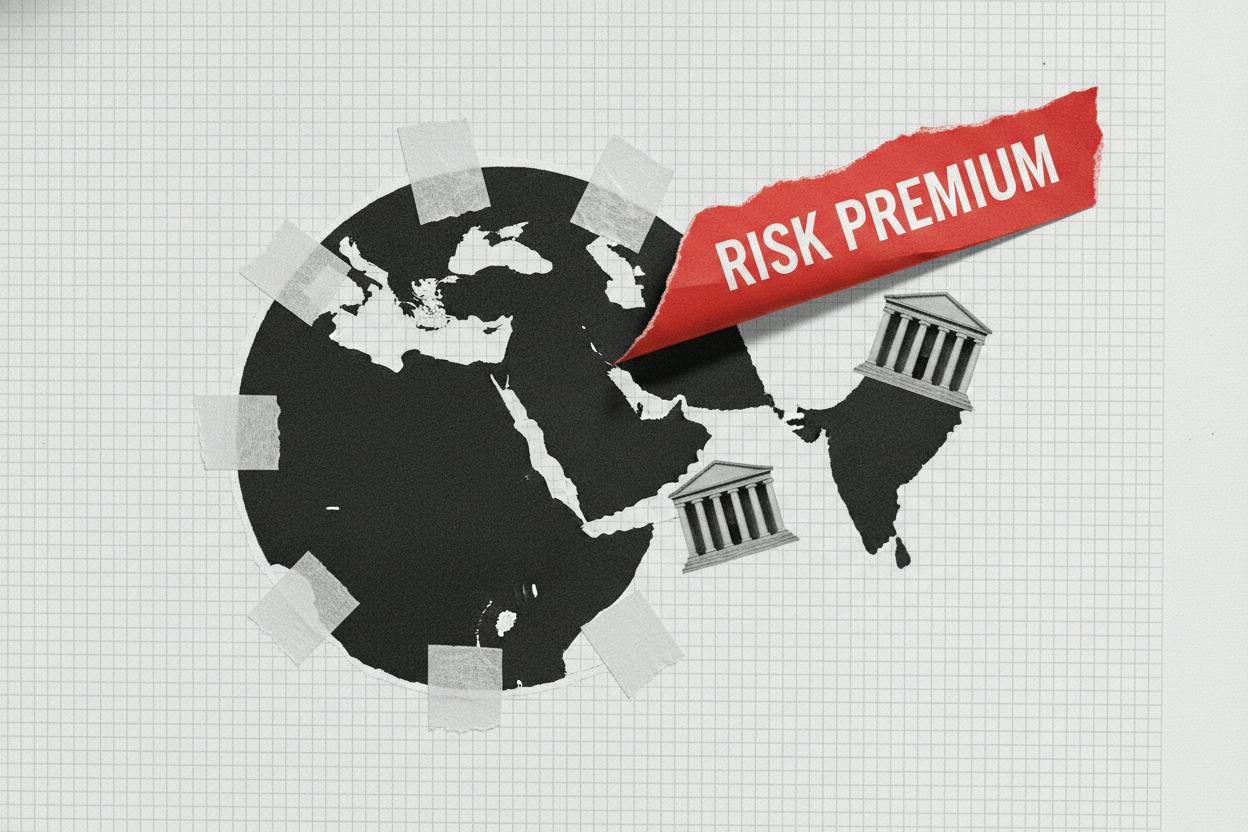
According to Reuters, investors read the US congressional outcome as making it harder for President Donald Trump to sustain a tough Iran policy politically. That perception lowered the perceived likelihood of escalation, prompting some investors to pull what is often called a "regional risk premium" out of Gulf assets.
What is a regional risk premium?
A risk premium is the extra return investors demand for holding an asset that carries higher uncertainty. In the Gulf, that uncertainty has often been tied to geopolitical tensions, particularly involving Iran. When the risk of conflict seems high, investors want more compensation for potential disruptions to oil supplies, shipping routes, or regional stability. When that risk fades, they are willing to accept lower returns, which typically pushes asset prices up.
In this case, the US election results were seen as a signal that Washington might be less inclined to pursue aggressive military action against Iran. That shift in expectations was enough to ease some of the anxiety that had been weighing on Gulf markets in recent weeks.
Mixed moves across the region
While Saudi Arabia's main index and Qatar's benchmark both climbed, Abu Dhabi's index slipped slightly. The divergence highlights that Gulf markets are not monolithic; each country has its own drivers, from energy prices to domestic policy and foreign investment flows.
For Saudi Arabia, the largest Arab economy, a calmer geopolitical outlook can support investor confidence in its ambitious economic transformation plans. Qatar, a major natural gas exporter, also benefits from reduced regional tension, as its energy infrastructure is seen as less vulnerable to disruption.
Abu Dhabi, home to the UAE's capital and a hub for state-linked companies, may have been affected by profit-taking or sector-specific moves, though the brief did not specify individual stocks.
What it means for investors
For everyday investors, the key takeaway is that geopolitical risk is a major factor in how regional markets are priced. When tensions spike, Gulf stocks often fall as investors demand a higher premium. When tensions ease, as they did after the US election, that premium can shrink, lifting prices.
However, the situation remains fluid. The Houthi claim, even if unconfirmed, is a reminder that regional flashpoints can flare up quickly. Investors should not assume that a single political event has permanently removed the risk of conflict.
For those with exposure to Gulf equities through funds or ETFs, the recent move underscores the importance of monitoring geopolitical developments alongside traditional financial metrics like earnings and interest rates. It also highlights the value of diversification, as different Gulf markets can react differently to the same news.
Looking ahead, investors will likely watch for any official confirmation or denial of the Houthi claim, as well as any further statements from the Trump administration on Iran policy. The path of oil prices will also be closely monitored, as energy is a key driver of Gulf economies and markets.
In the broader context, this regional move comes as global markets have been reacting to the US election outcome. For more on how the election is affecting other markets, you can read about the rally in stocks and bonds or how commodity prices are responding.
As always, it's wise to keep a long-term perspective. Short-term geopolitical swings can create volatility, but they rarely change the fundamental outlook for most companies. For investors, the best approach is to stay informed, keep portfolios diversified, and avoid making impulsive decisions based on daily headlines.