Asian markets ended the session mixed to lower as investors weighed two very different signals: a massive long-term bet on AI infrastructure from Google, and a pulled stock listing in Hong Kong that suggests short-term risk appetite is thin.
The juxtaposition captures the mood of the moment. On one hand, big tech is committing billions to future computing capacity. On the other, companies trying to raise money today are finding investors unwilling to pay up.
Google's $15 billion Malaysia commitment
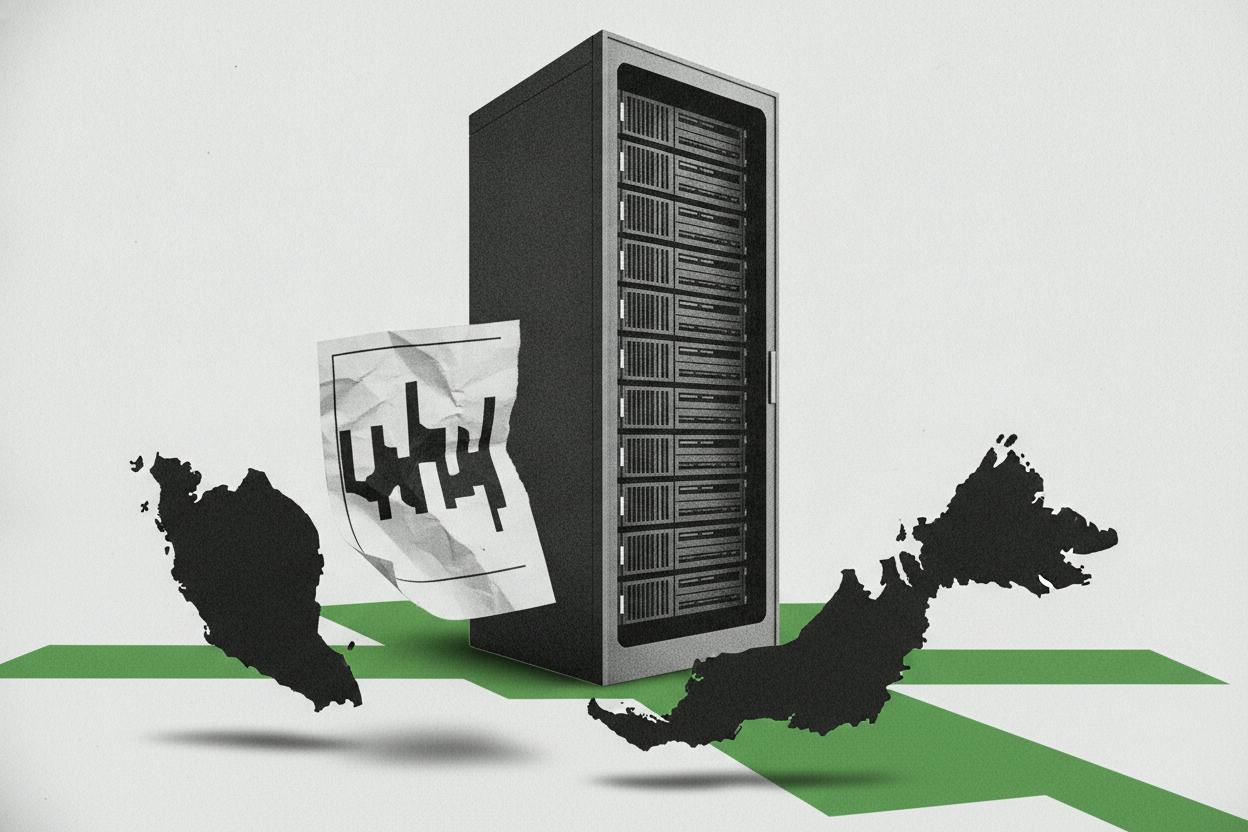
Google, the US tech giant, said it will invest $15 billion to expand its data center and cloud capacity in Malaysia, with construction expected in 2027 and 2028. The spending also covers power, water resilience, and worker training, all aimed at supporting the surging demand for AI computing.
Malaysian officials welcomed the announcement as a vote of confidence in the country's digital economy. Google said the project is expected to add about $1.1 billion to the local economy and support tens of thousands of jobs in the near term.
For context, data centers are the physical backbone of cloud computing and AI services. They require enormous amounts of electricity and water for cooling, which is why Google is bundling investments in power and water resilience into the plan. The multi-year timeline reflects the scale of such projects—these are not quick builds.
This is part of a broader trend: major tech firms have been pouring money into data centers across Southeast Asia, drawn by growing internet usage, a young population, and government incentives. Malaysia, in particular, has become a favored location due to its relatively low costs and strategic position.
For investors, the announcement is a reminder that the AI boom is translating into real, long-term capital spending. That spending supports not just the tech giants themselves, but also construction firms, equipment makers, and energy providers in the region. It also signals that these companies expect AI demand to persist for years, even if current market sentiment is cautious.
Hong Kong IPO postponed: a cooler signal
In contrast, Hong Kong's primary market—where companies sell new shares to the public—is sending a more cautious message. Ganzhou Hemay Pharmaceutical, a Chinese drugmaker, postponed its listing after launching a deal to raise about HK$1.04 billion at up to HK$18.90 per share. The company said it would refund application money.
When an issuer pulls a live deal, it usually means that investor demand would only materialize at a price lower than the company wants. That gap is particularly significant for early-stage healthcare companies, which often rely on new equity to fund research and development.
Hemay had planned to use more than half of the expected proceeds toward its psoriasis candidate, Mufemilast. Psoriasis is a chronic skin condition, and developing a new treatment requires years of clinical trials and regulatory approvals—all of which cost money. Without a successful IPO, the company may need to seek alternative funding or delay its pipeline.
The postponement is a real-time read on IPO appetite. If the order book isn't deep enough at the targeted valuation, underwriters and issuers face a choice: price at a discount and set a new, lower benchmark for peers, or wait for calmer conditions. Waiting can shrink Hong Kong's near-term IPO pipeline and reduce the fee pool for banks. It also tightens the funding window for biotech and healthcare firms that need repeated capital raises to move drugs through development.
Hong Kong has been a key listing venue for Chinese biotech companies, but the market has been volatile. Recent sessions have seen Hong Kong tech stocks surge on AI optimism, yet that enthusiasm hasn't translated into broad IPO demand. The Hemay postponement suggests that investors are selective, favoring established names over speculative early-stage plays.
What it means for investors
For everyday investors, the contrast between Google's long-term bet and Hemay's short-term stumble offers a lesson: markets are pricing two different time horizons at once.
Long-term, the AI infrastructure buildout is a powerful trend. Companies like Google are making multi-billion-dollar commitments that will shape the technology landscape for a decade. That's why tech stocks have been volatile as investors try to gauge the pace of AI adoption and the regulatory risks.
Short-term, however, the cost of capital remains high. When a company postpones an IPO, it's a sign that investors are demanding a discount for risk. That's especially true for sectors like biotech, where cash burn is high and profits are years away.
For those watching the region, the key indicators will be whether other IPOs follow Hemay's lead, and whether Google's Malaysia project moves forward on schedule. A steady stream of postponed listings would signal that risk appetite is still fragile. Conversely, if more companies successfully list, it could indicate that the market is stabilizing.
In the meantime, investors should note that Malaysia's central bank has held rates steady, which provides some stability for the economy. But the broader picture is one of cautious optimism: big bets on the future, tempered by a present that still demands careful pricing.
As always, the best approach is to stay informed and diversified. The AI buildout is a long-term story, but the IPO market is a short-term barometer. Both are worth watching.