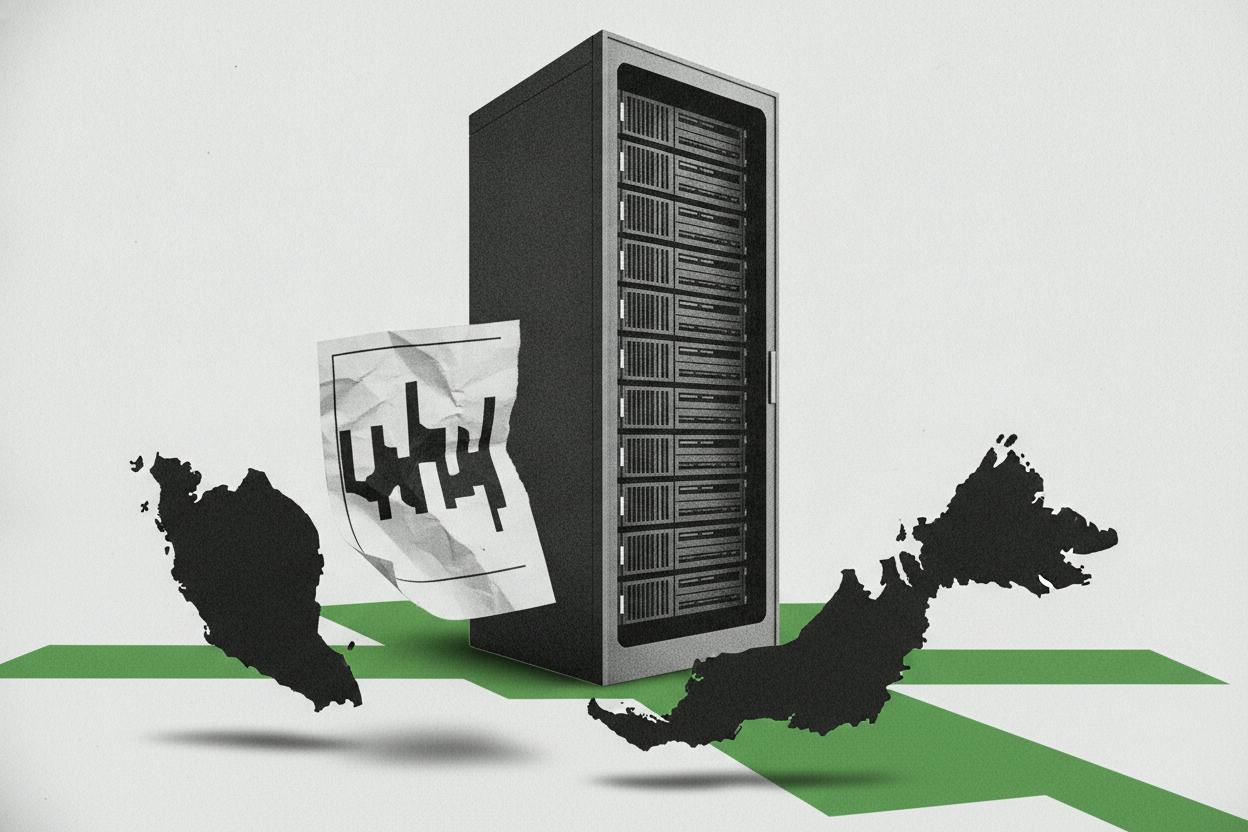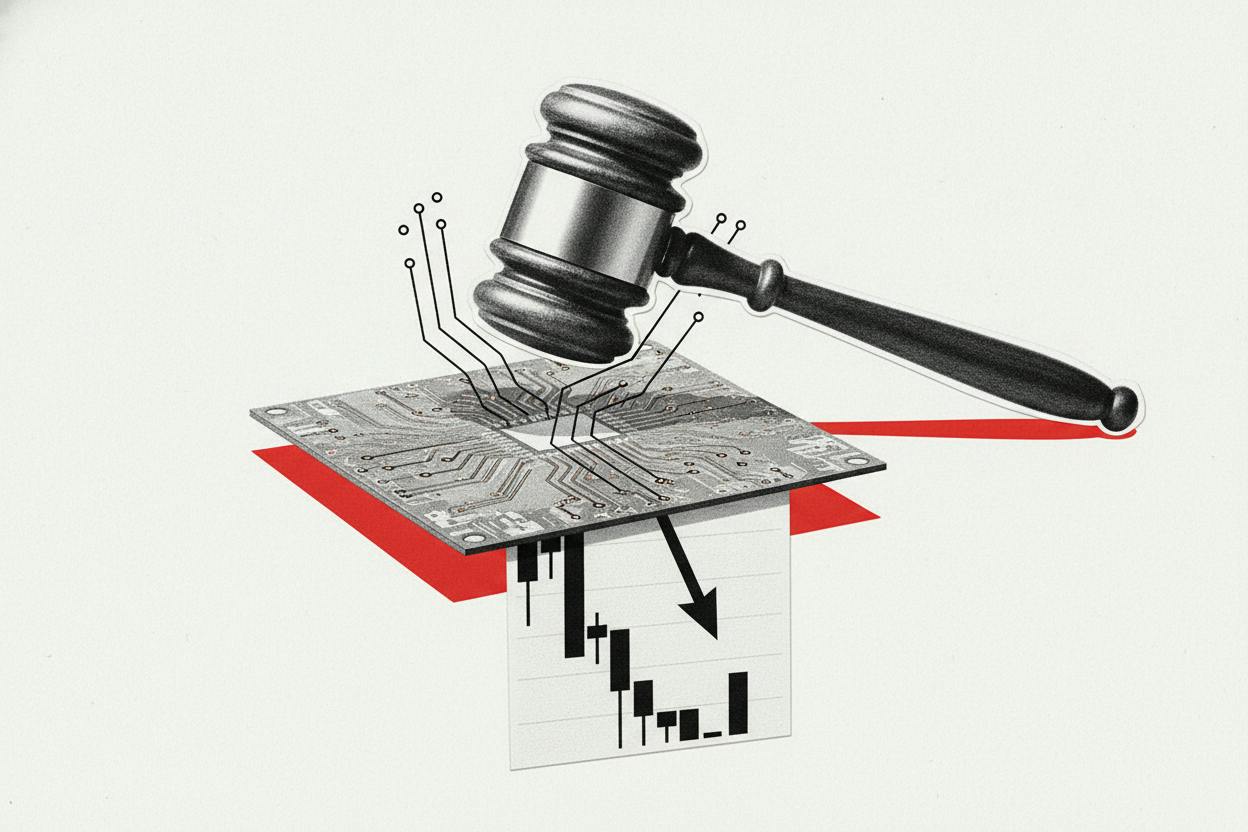
European stocks managed a modest gain on Tuesday, but the tech sector lagged as investors weighed the possibility that tougher Democratic oversight in the US could slow the artificial-intelligence buildout that has been a key driver of chip-related orders.
The pan-European STOXX 600 index rose 0.5%, staying close to the two-month high it reached in the previous session. The advance was led by basic-resources stocks, with steelmaker ArcelorMittal climbing 6% after reporting core profit that beat expectations. That gave the broader index a cyclical lift, as investors rotated into sectors tied to economic growth.
Tech stocks stumble on AI policy worries
The tech sector moved in the opposite direction. Semiconductor equipment leader ASML fell 2.7%, while chip materials supplier Soitec dropped 4.5%, tracking weakness seen in parts of Asia. The concern isn't that AI demand will disappear, but that increased regulatory scrutiny in the US could slow the pace of data-center construction and chip orders.
Democrats in Washington have signaled they want a closer look at how AI infrastructure is being built, including potential environmental, labor, and national-security concerns. For investors, the question is whether such oversight will delay projects or raise costs for the companies that supply the equipment and materials needed for AI computing.
This isn't the first time policy has rattled the AI trade. Earlier reports about state-level data center rules have already split tech stocks, as some regions impose stricter requirements on power and water usage. The new federal scrutiny adds another layer of uncertainty.
What this means for investors
For everyday investors, the takeaway is that AI-related stocks are sensitive to policy shifts, not just earnings. The recent rally in tech has been built on expectations of explosive growth in AI infrastructure. Any sign that growth could be tempered—whether by regulation, higher costs, or slower approvals—can trigger sharp pullbacks in even the most established names.
That's why diversification matters. While tech has been a star performer, cyclical sectors like materials and industrials can offer a different kind of exposure. Tuesday's move, with miners and steelmakers gaining while chip stocks fell, is a reminder that markets don't move in one direction.
Investors should also keep an eye on how the broader political landscape evolves. The recent Democratic sweep in the US election has already lifted bank and real estate stocks, but it also brings the prospect of more regulation in tech and other industries. The European stocks hit a two-month high after the election, but that optimism may be tested as policy details emerge.
Broader market context
The STOXX 600's resilience suggests that, for now, investors are willing to look past the tech weakness. The index's proximity to its recent high indicates that the overall mood remains cautiously optimistic, supported by hopes of continued economic growth and a less chaotic political environment than some had feared.
However, the divergence between tech and other sectors is a sign of underlying tension. If AI-related spending slows, it could have ripple effects across the global supply chain, from Asian chipmakers to European equipment suppliers. Conversely, if the scrutiny leads to more sustainable and transparent AI development, it could ultimately benefit the industry by reducing boom-and-bust cycles.
For now, the market is in a wait-and-see mode. Investors will be watching for any concrete policy proposals from Washington, as well as upcoming earnings from major tech companies, to gauge whether the AI trade can regain its momentum or if the recent pullback is the start of a deeper correction.
As always, it's important to remember that short-term market moves are often noisy. The key is to focus on the long-term fundamentals of the companies you own and to ensure your portfolio is positioned to weather policy shifts and sector rotations.