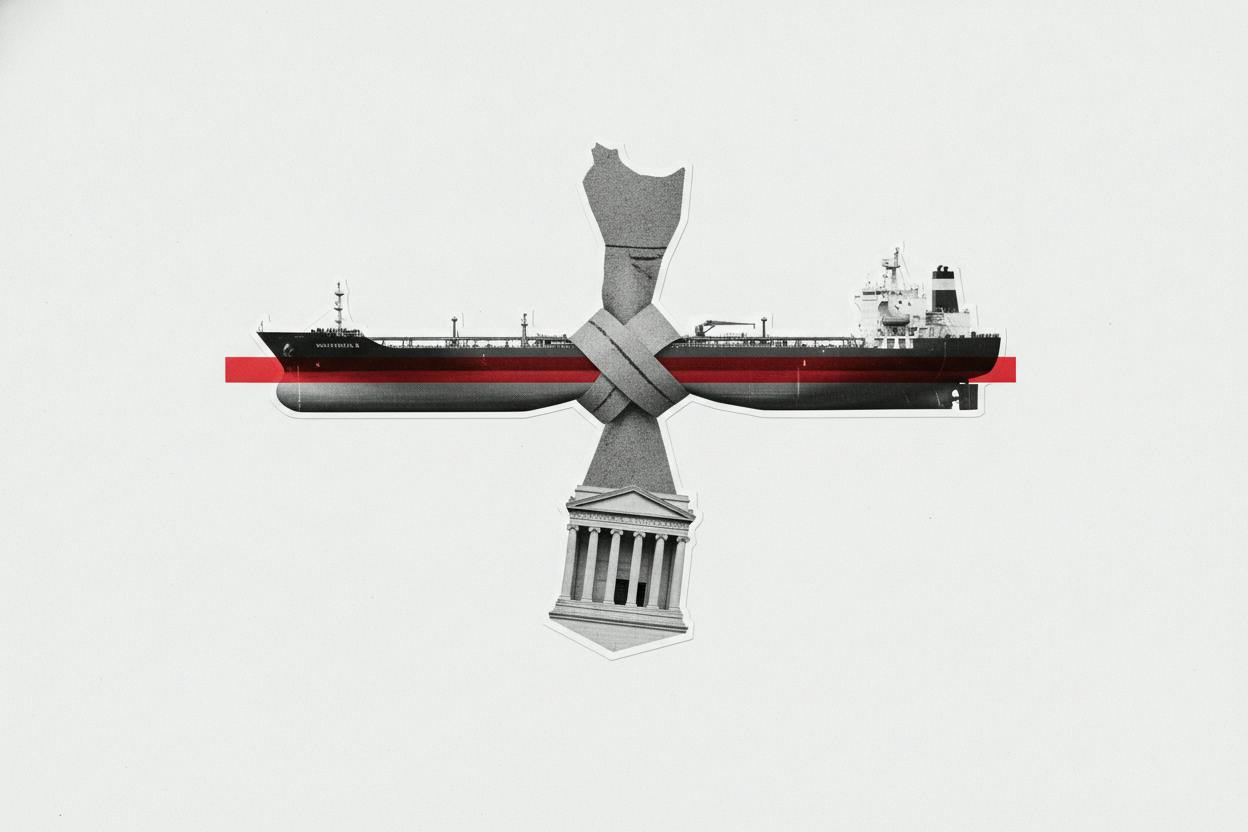
Gulf stock markets opened lower on Thursday, with Dubai and Qatar leading the decline, after a fresh burst of US-Iran tension near the Strait of Hormuz rattled investors. The attacks, which took place close to one of the world's most critical energy chokepoints, revived concerns about the safety of regional shipping lanes and the potential for supply disruptions.
What's driving the sell-off?
The immediate trigger is the reported attacks near the Strait of Hormuz, a narrow waterway that handles a significant share of global oil and liquefied natural gas shipments. For investors, the worry is less about today's oil price and more about the so-called risk premium — the extra return demanded when geopolitical outcomes become harder to predict.
Even if Brent crude is only slightly higher, the threat of clashes in the strait can push up insurance and transport costs for tankers, and reignite fears of supply interruptions. That uncertainty tends to ripple through local financial markets, as lenders and investors reassess the stability of cross-border funding and trade flows.
Why the Strait of Hormuz matters
The Strait of Hormuz sits between Iran and Oman, connecting the Persian Gulf to the Gulf of Oman and the open ocean. A large portion of the world's seaborne oil passes through it, making it a strategic chokepoint for global energy supplies. Any disruption there — whether from military action, sabotage, or simply heightened tension — can have outsized effects on shipping costs and energy prices worldwide.
For Gulf economies, the strait is not just an export route; it is central to their fiscal health. Countries like the UAE and Qatar rely heavily on energy revenues, and their stock markets often move in tandem with oil prices and regional stability. When shipping nerves flare, local equities tend to feel the pinch first.
What it means for investors
For everyday investors, the key takeaway is that geopolitical events can create short-term volatility, but they don't always translate into sustained market moves. The dip in Dubai and Qatar stocks reflects a repricing of risk, not necessarily a fundamental change in company earnings or economic growth.
Investors should watch how oil prices evolve in the coming days. If Brent crude holds above $100, as it has in recent sessions, energy producers may benefit, but higher fuel costs could weigh on consumer and transport sectors. The broader Asian markets have also been affected, with Hong Kong stocks slipping and Chinese shares sliding on similar concerns.
For those with exposure to Gulf equities, the immediate focus should be on shipping and insurance costs, as well as any signs of escalation. Historically, such episodes tend to be short-lived unless they lead to actual supply disruptions. But the uncertainty itself can be enough to keep markets on edge.
Looking ahead
Investors will be watching for any diplomatic moves or military responses that could either de-escalate or inflame the situation. The oil price reaction will be a key barometer, as will the performance of regional currencies and bond yields.
For now, the message from Gulf markets is clear: when the strait is in the headlines, investors demand a higher premium for holding regional assets. Whether that premium persists depends on how quickly tensions cool — and whether the world's energy lifeline stays open.