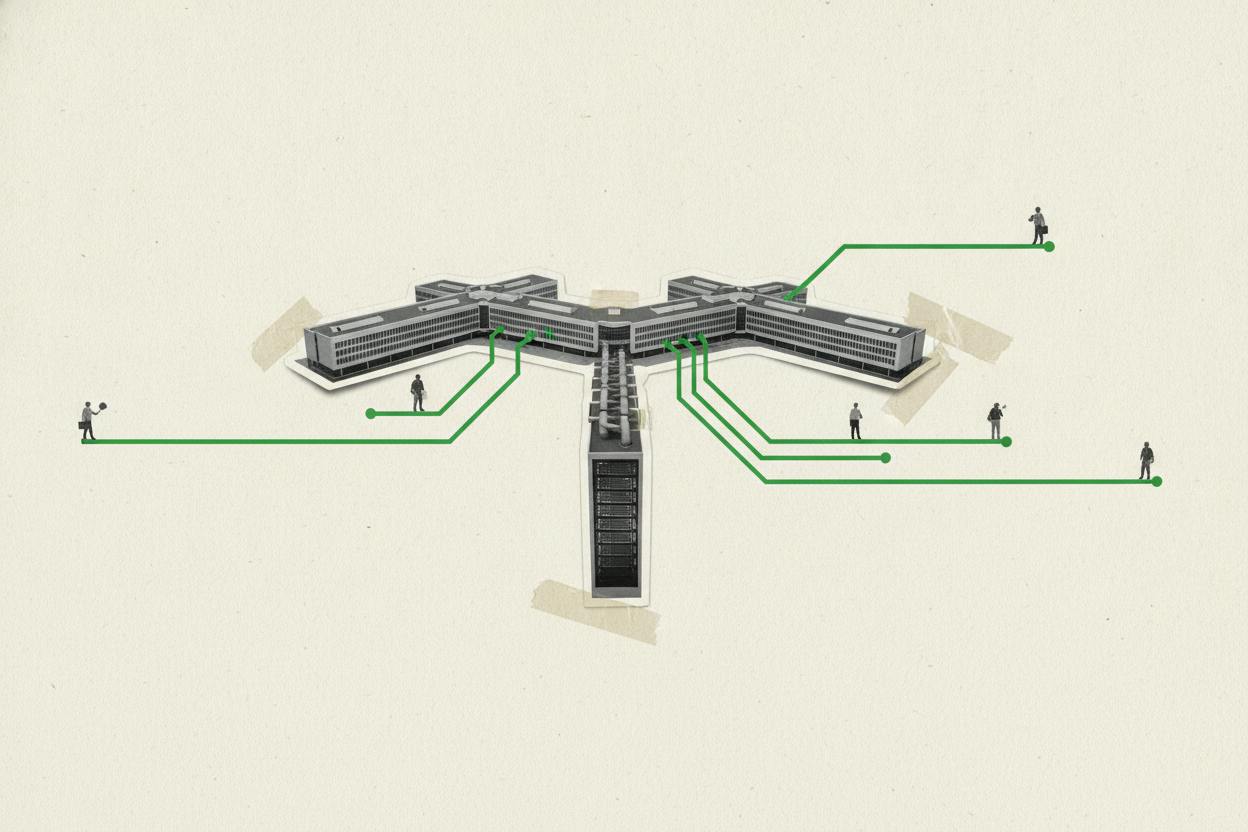
Hana Financial Group, one of South Korea's largest banking groups, has officially opened its new headquarters campus in Cheongna, Incheon. The move is part of a broader effort to consolidate operations and accelerate the rollout of artificial intelligence tools across its businesses.
According to a company statement cited by The Korea Times, the opening completes the Hana Financial Town project. About 2,200 employees have already been transferred to the site since September, and the group expects more than 4,000 finance and technology staff—including those who run its data center—to eventually work there. The goal is to put bankers, engineers, and data teams side by side, fostering closer collaboration.
Why co-location matters for AI
For a financial group, AI isn't just about chatbots or automating routine tasks. It's about using data to improve risk assessment, personalize customer services, detect fraud, and streamline operations. But developing and deploying these tools requires close cooperation between people who understand finance and people who understand technology.
By bringing these teams into one campus, Hana aims to break down silos that often slow down AI projects. When a data scientist can walk over to a loan officer's desk instead of sending an email, decisions can be made faster and insights can be tested more quickly. This is a common strategy among large companies that are serious about digital transformation.
The move also signals that Hana is investing heavily in its technology infrastructure. Having a dedicated data center on site means the group can manage its own computing power, which is critical for handling sensitive financial data and for training AI models that require massive amounts of processing capacity.
What it means for investors
For everyday investors, this is a reminder that banks are increasingly becoming technology companies. The ability to deploy AI effectively could determine which financial institutions gain a competitive edge in the coming years. Banks that can use AI to cut costs, improve customer experience, and manage risk better are likely to see stronger profitability over time.
However, such projects also come with costs. Building a new campus and relocating thousands of employees is a significant capital expenditure. Investors should watch whether these investments translate into measurable improvements in efficiency or revenue growth. It's not uncommon for large tech-driven initiatives to take several years before they show up in the bottom line.
Hana's move is part of a broader trend in the banking industry. Many global banks are investing heavily in AI and digital infrastructure, as seen in other recent developments like AI tools designed to speed up chip design and new chip plants aimed at reducing supply chain risks. These investments reflect a belief that technology will be a key differentiator in the financial sector.
For investors, the key question is not just whether a bank is spending on AI, but whether it can execute effectively. Co-locating teams is a positive step, but it's only one piece of the puzzle. The real test will be whether Hana can launch AI products that customers actually use and that improve the bank's financial performance.
Broader market context
The news comes at a time when financial stocks are sensitive to interest rates and economic data. For example, higher yields and inflation data have put financials on edge, as they affect lending margins and borrowing costs. Banks like Hana are also navigating a competitive landscape where technology is becoming as important as traditional banking services.
While Hana's campus opening is a corporate development rather than a market-moving event, it reflects the longer-term strategic shifts that investors should monitor. As more financial institutions embrace AI, the industry could see changes in how services are priced, how risk is managed, and how customers interact with their banks.
For now, the move is a clear signal that Hana is positioning itself to be a leader in AI-driven banking. Whether that bet pays off will depend on execution, but it's a direction that many investors will be watching closely.