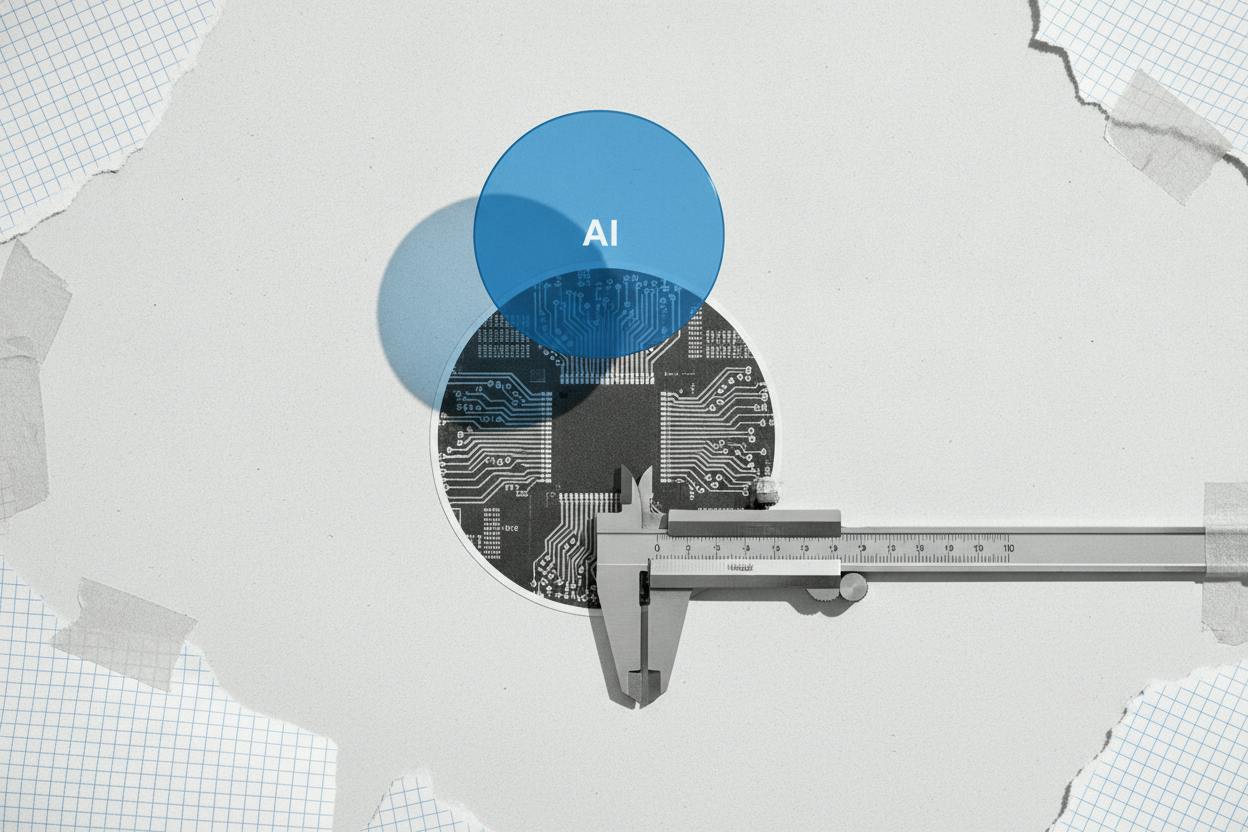
Synopsys, a company that makes software for designing computer chips, has signed a revenue-sharing agreement with OpenAI to develop an artificial intelligence model called GPT-Synopsys. The goal is to speed up the complex, time-consuming work of designing semiconductors — the tiny processors that power everything from smartphones to data centers.
The deal pairs Synopsys' deep expertise in chip design tools with OpenAI's large language model technology. OpenAI co-founder Greg Brockman said the new model will learn to use Synopsys' software to help engineering teams weigh trade-offs and optimize designs, potentially shaving "weeks, months" off development timelines.
How the partnership works
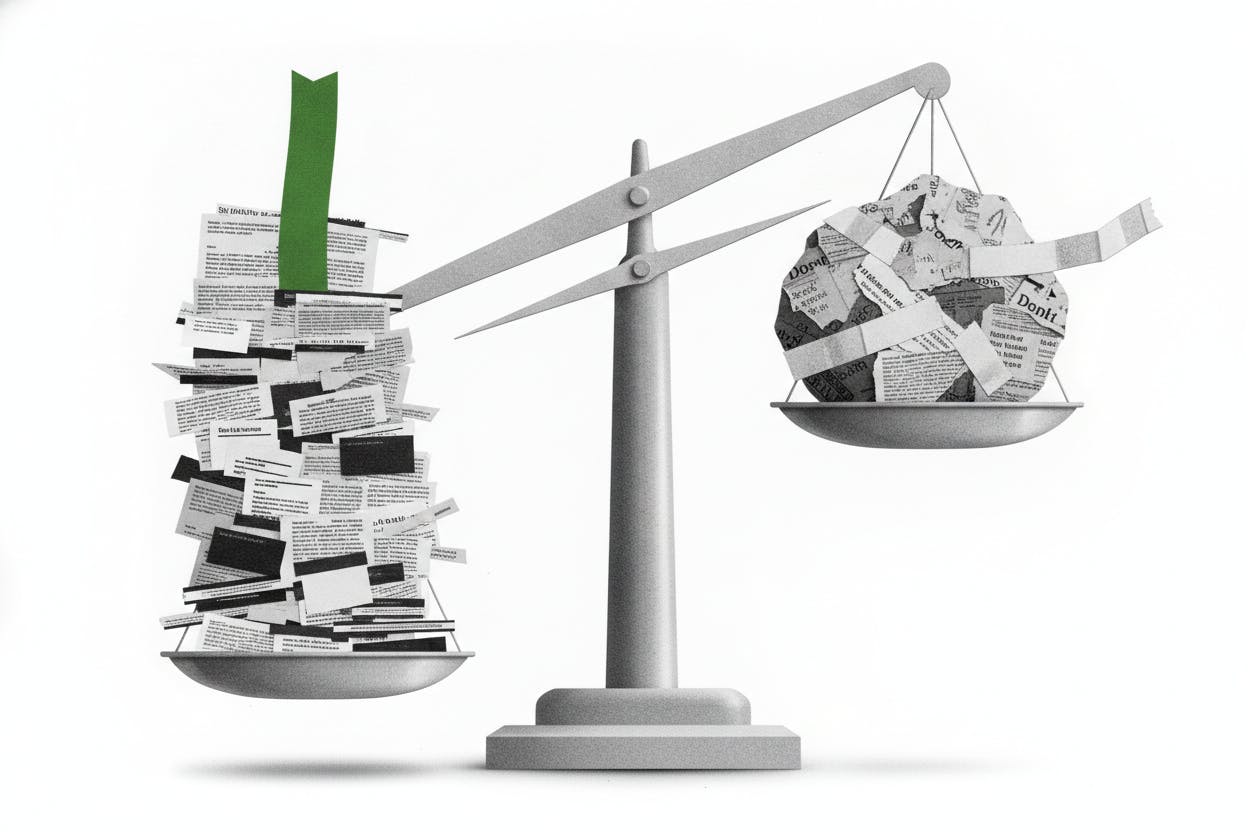
Under the commercial setup, OpenAI will pay a training subscription fee to Synopsys. The two companies will then share revenue when customers use the product, with the split tied to how much the model measurably improves a chip design. This is a form of value-based pricing: instead of charging mainly for software licenses, Synopsys can charge for outcomes and usage.
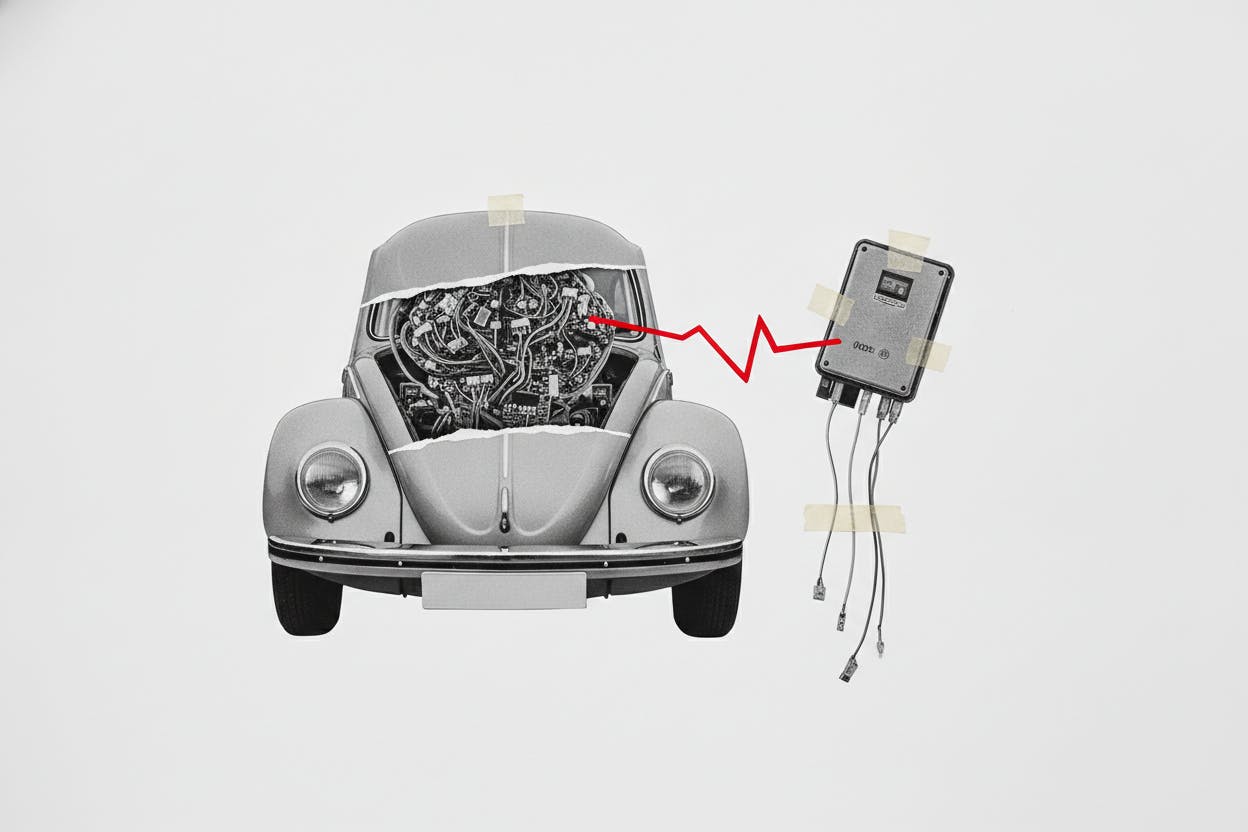
Synopsys sells the tools engineers use to design and validate chips, from early circuit descriptions to laying out billions of transistors. Its software is deeply embedded in the workflow of major chipmakers. The new AI model is designed to sit on top of that core business, not replace it.
Importantly, Synopsys says the AI's output still has to pass the firm's established verification steps, including high-precision "sign-off" checks. CEO Sassine Ghazi described these as the necessary "physics" guardrails. Sign-off is the final validation stage before a chip design can be manufactured — a critical gatekeeper role that Synopsys retains.
Why the market is paying attention
The mix of new monetization and continued reliance on Synopsys' existing tools helped the company raise its fiscal 2027 revenue growth outlook to 15%, above analyst estimates of 11.19% cited by LSEG. That upgrade suggests management sees the AI partnership as a meaningful contributor to future growth, not just a headline.
Synopsys has been expanding its AI-related business. Earlier this year, AWS signed a $1B+ chip-design licensing deal with Synopsys, underscoring demand for its tools in the cloud. The company also appeared in broader market news, as tech stocks climbed on Synopsys and HPE AI deals.
OpenAI, meanwhile, has been making waves across the tech and finance world. The company is reportedly seeking $30B at a $1.4T valuation while delaying its IPO, and its revenue growth has lifted markets from Asia to the U.S., as seen when an OpenAI revenue report lifted Asian tech shares.
What it means for investors
For everyday investors, this deal is an experiment in how AI can be monetized in a specialized industry. If GPT-Synopsys genuinely cuts design cycles by weeks or months, customers get a productivity gain, and Synopsys can charge for that value. That could lift revenue per customer over time.
But there are risks. Value-based pricing can make sales more variable, since revenue would be linked to how often the model is used and how much improvement is measured. It's a different model from the predictable license fees that software companies have traditionally relied on.
Just as important is what doesn't change. By keeping sign-off verification as a required backstop, Synopsys preserves its gatekeeper role in the chip design workflow. That limits the risk that AI tools could eventually replace its traditional software. Investors will be watching whether the combination supports estimate upgrades that stick, rather than just a one-off pop after the announcement.
Synopsys' 15% fiscal 2027 growth target now depends on turning time saved into revenue. If the company can prove that GPT-Synopsys delivers measurable improvements — and that customers are willing to pay for them — it could set a precedent for how AI is priced across other engineering and design industries. For now, the deal is a bet that AI will augment, not replace, the specialized tools that companies like Synopsys have spent decades building.