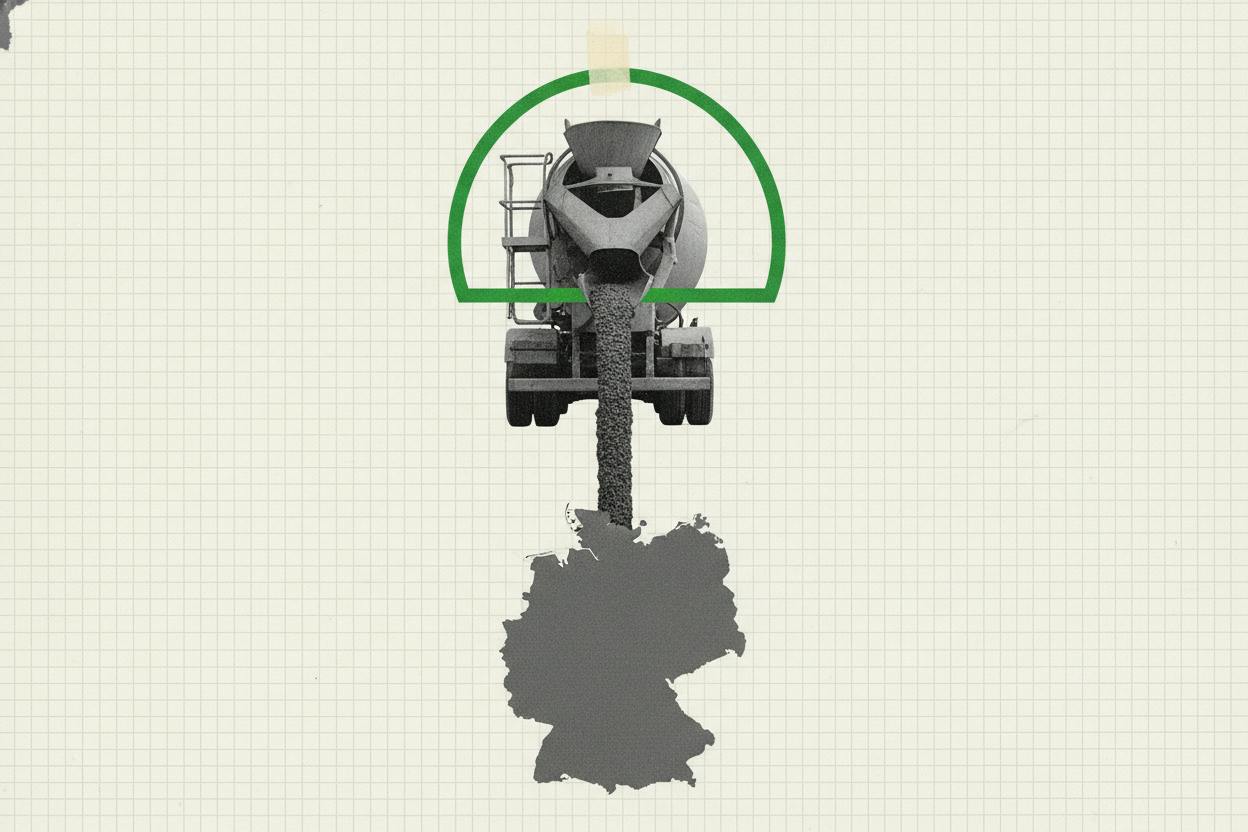
Europe's construction sector, which has been mired in a downturn, may be starting to turn a corner. Heidelberg Materials, one of the continent's largest cement makers, says it is seeing early signs that demand is stirring, driven by government infrastructure spending and the boom in artificial intelligence data centers.
The company told Reuters that during the July-to-September period it observed "tentative signs of recovery," with a project pipeline that is "essentially ready to go." That pipeline is being fueled by Germany's €500 billion infrastructure package, which is beginning to translate into actual construction projects, as well as growing demand tied to energy infrastructure and AI data centers.
What's driving the shift?
Germany's massive spending plan, announced earlier this year, is designed to upgrade the country's roads, rail, and energy networks. For cement makers like Heidelberg, such public works are a major source of demand. The company also highlighted that it is in talks with major hyperscalers—the large cloud computing companies that operate vast data centers—about supplying lower-carbon materials. This comes as scrutiny grows over the environmental impact of data centers, particularly their power and water consumption.
Heidelberg's comments echo those of its Swiss rival Holcim, which recently raised its 2026 outlook again, helped by higher-margin low-carbon products. That move added to the sense that the construction cycle may be improving across Europe.
Energy costs remain the swing factor
While the demand picture is brightening, costs are still a challenge. Cement production is energy-intensive, and Heidelberg trimmed its profit outlook in July after energy prices climbed following the escalation of conflict in the Middle East. Management says the rise in energy prices has leveled off but remains elevated.
The company has some protection: it has bought electricity and gas under multi-year contracts, which softens the blow of higher spot prices. It also says it can largely pass higher costs on to customers, though that is easier when demand is firm. In addition, Heidelberg has been cutting costs, including closing some European plants, and plans to provide more detail when it reports third-quarter results on November 4.
What it means for investors
For investors, Heidelberg's "ready-to-go" pipeline makes the November 4 earnings report a key moment. Cement has a built-in profit accelerator: once projects move from plans to pours, volumes rise and plants run closer to capacity. That spreads mostly fixed kiln and site costs over more tons, a concept known as operating leverage. If utilization improves, earnings can grow faster than revenue, even if prices stay steady.
The key unknown is whether energy costs will remain a headwind. Heidelberg's older power and gas contracts provide some cushion, and the company's ability to pass on higher costs is easier when demand is strong. But if energy prices spike again, that could offset some of the gains from higher volumes.
The November 4 report matters less for a single-quarter number and more as evidence that Europe's cement cycle is turning through higher utilization—not just holding margins through price hikes. If Heidelberg shows that utilization is improving, it could signal a broader recovery in European construction, with implications for other building materials companies and the wider economy.
For everyday investors, this is a story about the health of the construction sector, which is often a bellwether for economic activity. A sustained recovery in construction would be a positive sign for growth, but it's still early days. The company's own cautious language—"tentative signs"—suggests that while the worst may be over, a full rebound is not yet guaranteed.
Heidelberg's focus on low-carbon materials also highlights a growing trend in the industry, as companies seek to meet environmental regulations and customer demands. This could be a differentiator for the company and its peers, as seen in Holcim's recent success with low-carbon products.
Investors will be watching the November 4 report closely for any updates on the project pipeline, energy costs, and the company's ability to maintain margins. The outcome could set the tone for the European construction sector heading into 2025.



