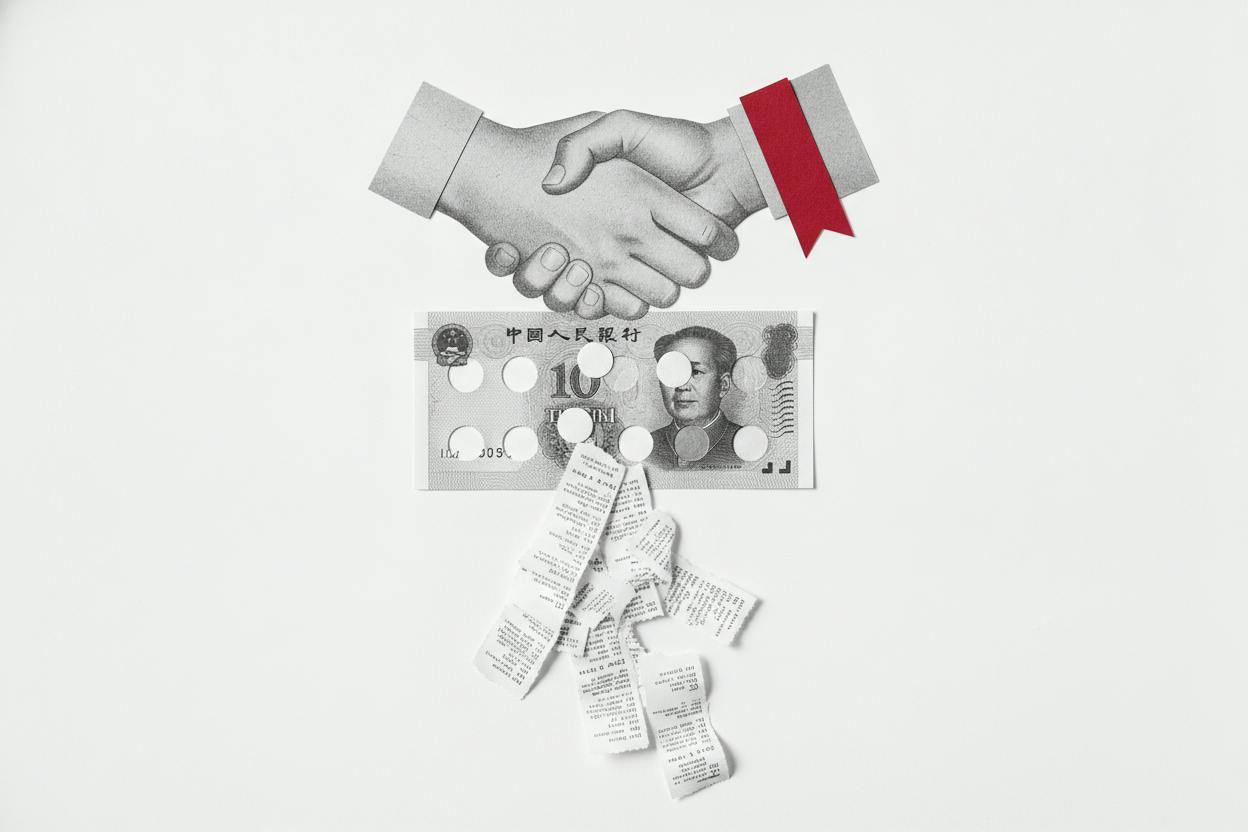
China's Jiangsu Hengrui Pharmaceuticals reported a sharp jump in third-quarter profit, but the numbers tell a more complicated story than a simple sales surge. In a filing to the Hong Kong Stock Exchange, the drugmaker said profit attributable to shareholders rose to 2.46 billion yuan (about $345 million) on revenue of 8.95 billion yuan. The company credited higher out-licensing income—money earned from licensing its drug candidates to other companies—rather than a jump in sales of its own new medicines.
What is out-licensing and why does it matter?
Out-licensing is when a drugmaker grants another company the rights to develop or sell one of its drug candidates, often in exchange for an upfront payment, milestone payments tied to development progress, and royalties on future sales. For Hengrui, this has become a significant revenue stream. Over the first nine months of the year, out-licensing revenue grew 31% from a year earlier to 2.78 billion yuan, helped by revenue recognized from partnerships with GSK, a UK drugmaker, and Bristol Myers Squibb, a US drugmaker, plus milestone payments.
The deal pipeline is still moving. In September, Hengrui agreed to license its dual GLP-1/GIP candidate HRS-1596 to Novo Nordisk, a Danish drugmaker, for up to $2.6 billion in total potential payments, including a $300 million upfront fee. GLP-1/GIP drugs are a class of treatments used for diabetes and obesity, a hot area in the pharmaceutical industry.
Why the profit jump may not be sustainable
While the licensing income boosted the bottom line, Hengrui also lowered its expectations for full-year growth in innovative drug revenue. The company said the market has been tougher, hospital access has been slower than expected, and competition is rising for some older launches. That suggests the core business of selling its own new drugs is facing headwinds.
Meanwhile, its generic-drug sales fell 16.4% to 7.60 billion yuan as China's centralized procurement program kept squeezing prices. That program, which pools purchasing power to negotiate lower drug prices, has been a persistent drag on generic drugmakers in China.
Taken together, the update shows earnings being supported more by deal-making and one-off milestone checks while Hengrui works to translate its pipeline into steadier, repeatable sales at home.
What it means for investors
For investors, the key takeaway is that Hengrui's earnings are becoming choppier. Out-licensing revenue doesn't behave like prescription sales: it tends to arrive in lumps when a contract is signed, a development target is hit, or accounting rules allow a payment to be recognized. That means small changes in timing can swing quarterly profit, even if demand for Hengrui's medicines hasn't changed much.
So, after this quarter's boost, analysts may have to model Hengrui less like a steady drug-seller and more like a company whose near-term profit depends on the cadence of new deals and milestone triggers. In practice, that can widen forecast error and raise the odds of bigger post-results share-price moves when the next Novo-, GSK-, or Bristol Myers Squibb-style payment lands – or doesn't.
This pattern is not unique to Hengrui. Many biotech and pharma companies rely on licensing deals to fund research and development, but that reliance can make earnings volatile. For everyday investors, it's worth remembering that a single quarter's profit jump may not reflect the underlying health of the business.
Hengrui's situation also highlights broader trends in the Chinese pharmaceutical market. The government's push to lower drug prices through centralized procurement has squeezed margins on older drugs, pushing companies to focus more on innovative medicines and international partnerships. That strategy can pay off, but it also exposes companies to the ups and downs of deal-making.
For more on how companies are navigating similar pressures, see our coverage of China's factory profits and market sentiment and HSBC's profit jump and share reaction.
Investors should watch for updates on Hengrui's pipeline and any new licensing agreements. The company's ability to convert its deal-making success into steady drug sales will be key to its long-term prospects.