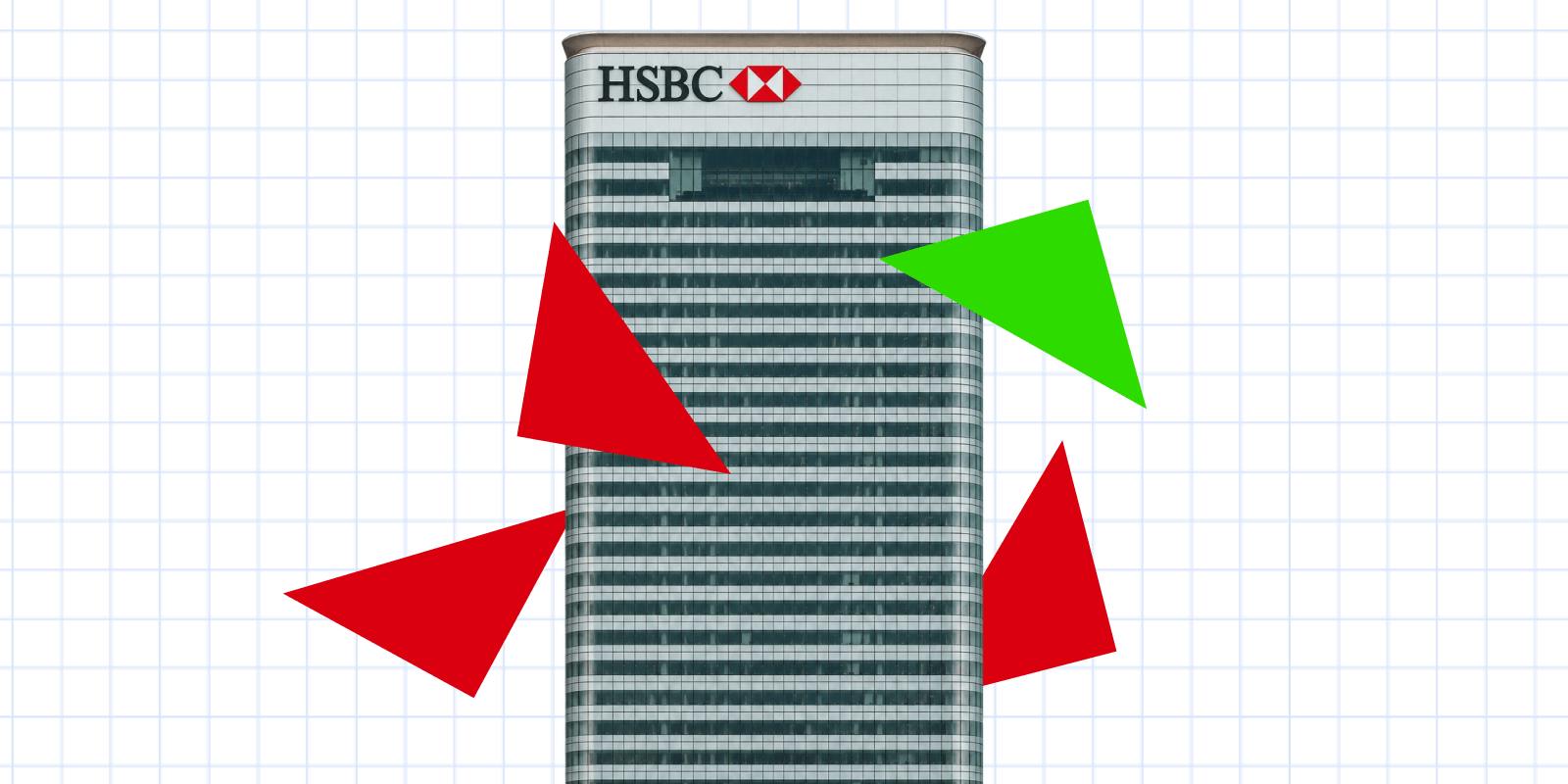
HSBC, Europe's largest bank by assets, delivered a bumper quarter—pre-tax profit jumped 32% to $9.6 billion. Yet investors responded by sending the shares lower, a classic case of 'good news, but not good enough.'
The bank's earnings were boosted by stronger lending income, lower provisions for bad loans, and a sharp drop in costs—legal bills that weighed on last year's results didn't repeat, saving more than $1 billion. HSBC also announced a fresh $1 billion share buyback, exactly as analysts had predicted.
So why the sour reaction? The market had hoped for something more—perhaps a larger buyback or a special dividend. When a company meets expectations exactly, it can still disappoint if investors were betting on a beat. This is a common pattern in banking, where share prices often move on the size of capital returns rather than just profit numbers.
What's behind the numbers
HSBC's profit growth came from several areas. Net interest income—the difference between what it earns on loans and pays on deposits—rose as global interest rates stayed elevated. That's a key driver for banks, and HSBC, with its large presence in Asia and the UK, benefits from rate-sensitive markets.
The bank also set aside less money to cover loans that might go bad, a sign that credit conditions remain relatively healthy. And costs fell by more than $1 billion, largely because last year's hefty legal expenses didn't repeat. That's a one-off, but it still flattered the bottom line.
The $1 billion buyback is part of HSBC's broader strategy to return capital to shareholders. Buybacks reduce the number of shares in circulation, which can boost earnings per share and support the stock price over time. But investors were clearly hoping for a bigger payout, especially given the bank's strong capital position.
Why shares fell despite the profit jump
Markets often trade on expectations, not just results. When a company like HSBC reports, investors compare the numbers to what analysts had forecast. If the profit beat was modest and the buyback was in line with estimates, there's little to excite buyers.
In this case, the buyback was 'just as analysts predicted,' according to the brief. That lack of upside surprise likely triggered profit-taking. The stock's decline also dragged on broader European banking shares, as seen in London's market reaction and US-listed European ADRs.
It's a reminder that even strong earnings can fail to move a stock higher if the market had priced in perfection. For everyday investors, this highlights the importance of looking beyond headline profit numbers to understand what's already baked into the share price.
What it means for investors
For shareholders, the profit jump is undeniably positive—it shows the bank is generating healthy returns. The buyback, while not bigger than expected, still returns cash to investors and signals confidence in the balance sheet.
But the share price reaction is a cautionary tale. If you own HSBC shares, you might be wondering whether to hold or sell. The answer depends on your own investment goals and time horizon. Banks like HSBC are often seen as income plays, and the buyback plus any dividends can provide a steady return even if the stock price wobbles.
Looking ahead, investors will be watching how HSBC manages its costs, whether loan losses stay low, and how interest rates evolve. Central bank policy is a major driver for banks, and any shift in rate expectations could affect HSBC's earnings and share price.
The broader context also matters. HSBC's results come amid a mixed earnings season, with some companies beating expectations and others disappointing. The bank's performance is a bellwether for the global economy, given its exposure to Asia and trade flows. If you're invested in bank stocks or index funds, HSBC's moves can ripple through your portfolio.
For those not directly invested, the story is still relevant. It shows how market reactions can diverge from fundamentals, and why it's important to understand the 'why' behind a stock's move. As always, diversification and a long-term perspective remain key.
In the end, HSBC's profit rise is a solid result, but the market wanted more. That's the nature of investing—sometimes good news isn't enough.