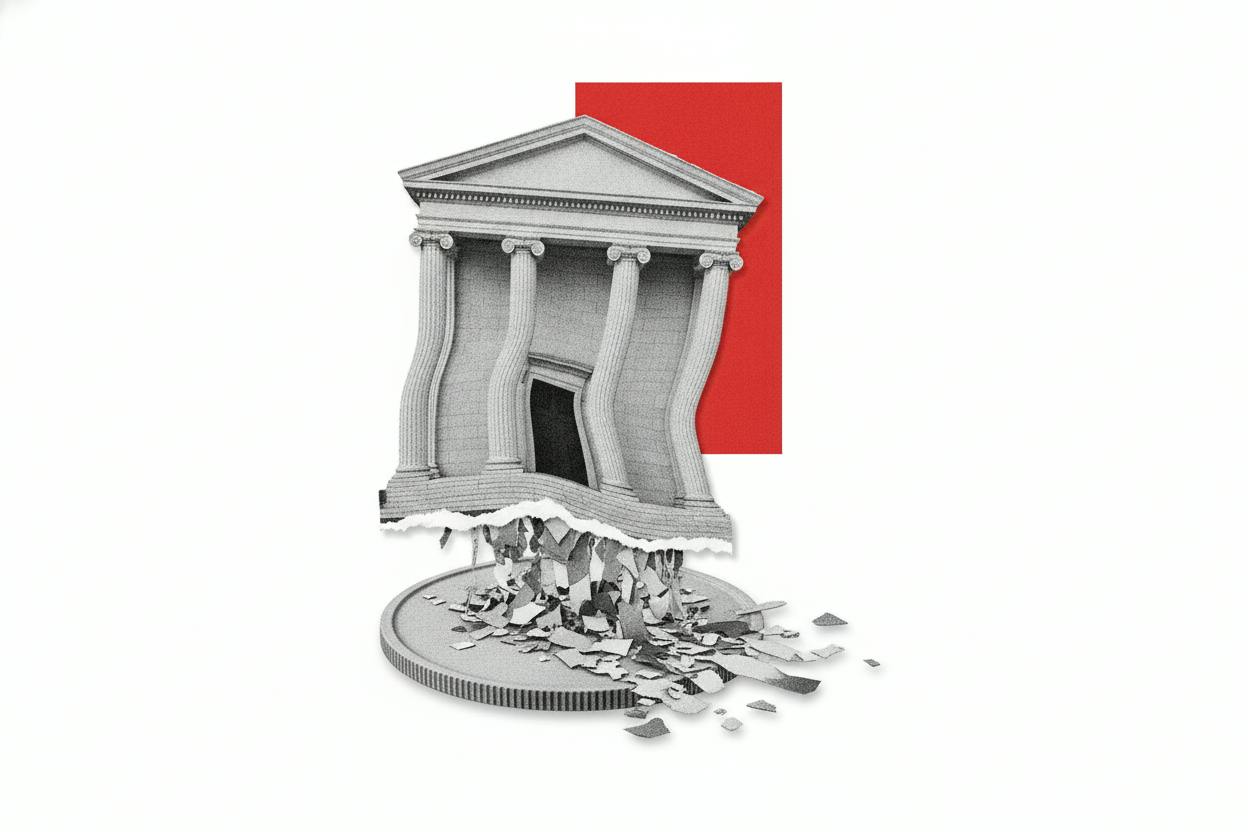
European shares slipped on Tuesday as HSBC, one of the region's biggest banks, sank nearly 7% after reporting revenue that fell short of analyst expectations. The drop interrupted a recent rally in European markets and dragged the broader banking sector lower, just as investors turn their attention to the European Central Bank's (ECB) interest rate decision due on Thursday.
What happened at HSBC?
HSBC, a London-headquartered bank with a large presence in Asia, saw its shares fall to a six-month low after its quarterly revenue came in below estimates. The miss was largely driven by slower-than-expected growth in its wealth management business, a fee-based division that investors had hoped would help offset any slowdown in traditional lending.
The bank's decline was significant enough to weigh on Europe's banking sector as a whole. Banks have been among the biggest contributors to this year's stock market gains, so a stumble at a heavyweight like HSBC can have an outsized impact on indices such as the UK's FTSE 100 and the pan-European STOXX 600.
Why banks are so sensitive to rates
To understand why HSBC's miss matters beyond one company, it helps to know how banks make money. A key driver of bank profits is the net interest margin—the difference between what banks earn on loans and what they pay out on deposits. When central banks raise interest rates, that margin typically widens, boosting earnings. That dynamic has been a major tailwind for European banks over the past couple of years as the ECB and other central banks hiked rates aggressively to fight inflation.
But HSBC's results show that not all parts of a bank benefit equally from higher rates. Wealth management, which earns fees from managing investments and providing financial advice, is less directly tied to interest rates. When a bellwether like HSBC disappoints in that area, investors start to question how durable the "rates tailwind" really is for the whole sector. If fee-based businesses don't grow as expected, the overall revenue picture can look shakier.
Bank stocks are often priced based on expectations for future returns on equity—a measure of profitability. When analysts adjust their revenue forecasts, those expectations can shift quickly. A revenue miss at a major bank can raise the "risk premium" investors demand for holding bank stocks, pushing valuations down across the sector, even if other banks report better news.
ECB decision in focus
Now the spotlight shifts to the ECB, which is widely expected to announce its latest rate decision on Thursday. The central bank has been raising rates to combat inflation, but many economists believe it may be nearing the end of its tightening cycle. If the ECB signals that it's close to done, the boost to bank earnings from higher borrowing costs could fade. In that scenario, bank shares would start trading more on whether revenue growth can hold up across the cycle, rather than just on today's rates.
For investors, the ECB's tone will be crucial. A hawkish surprise—signaling more hikes to come—could give banks a short-term lift. But a dovish signal, suggesting rates have peaked, might lead to a reassessment of bank valuations. Either way, the market's reaction could set the tone for European equities in the coming weeks.
What it means for investors
For everyday investors, HSBC's slide is a reminder that even the biggest, most diversified banks are not immune to disappointments. It also highlights how concentrated this year's market rally has been in financials. When a sector that has done a lot of the heavy lifting suddenly stumbles, it can make the whole market more fragile.
If you hold a broad European index fund or ETF, you're exposed to this dynamic. The FTSE 100 and STOXX 600 are both heavily weighted toward banks, so a sector-wide selloff can drag down your portfolio even if other parts of the market are doing well. That's why it's worth paying attention to earnings reports from major banks—they can move the entire market, not just their own stock.
Looking ahead, investors will be watching two things closely. First, whether other European banks report similar weakness in their fee-based businesses. Second, what the ECB says on Thursday about the path of interest rates. Both will help determine whether the recent rally in European stocks can resume or whether it's time for a pause.
As always, it's important to remember that market moves like this are normal. A single day's decline doesn't necessarily signal a long-term trend, but it does offer a useful snapshot of investor sentiment and the factors that are driving markets right now.