Hero MotoCorp, India's largest two-wheeler manufacturer, delivered a mixed bag for its fiscal second quarter: revenue grew strongly, but profit came in below what analysts had expected. The culprit? Costs that rose even faster than sales.
For the three months ended September 30, the company reported a profit after tax of 14.56 billion rupees (about $175 million), missing the 15.22 billion rupees that analysts polled by LSEG had forecast. Revenue from operations climbed 21% to 146.87 billion rupees, helped by a 10.5% jump in vehicle sales. But expenses surged to 129.42 billion rupees from 105.06 billion rupees a year earlier—a jump of roughly 23%.
That gap between revenue growth and cost growth is the heart of the story. When a company's expenses grow faster than its top line, operating margins get squeezed. In Hero's case, the numbers suggest it absorbed more of the cost increase than investors had hoped.
Why costs are climbing
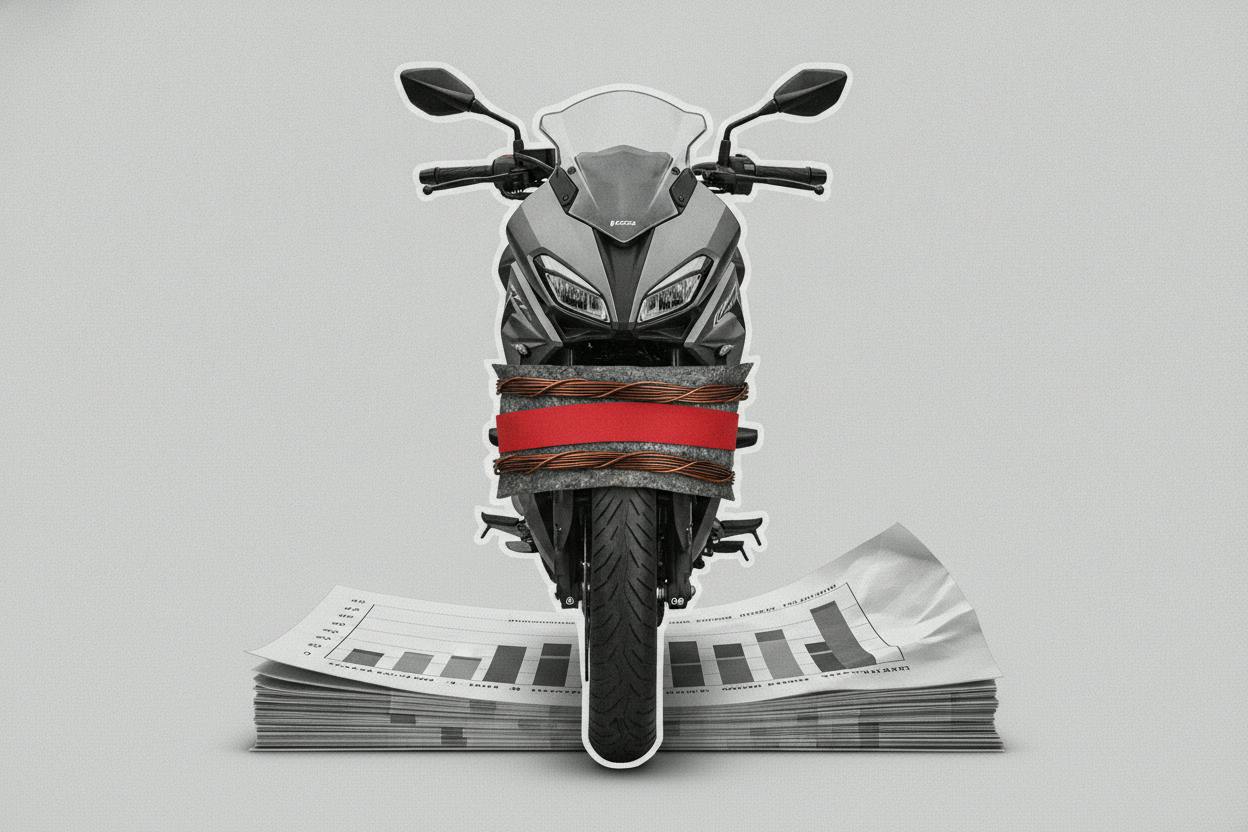
Two-wheeler manufacturers are heavily exposed to the prices of raw materials like steel and copper, which feed directly into the cost of building bikes. When those input prices rise, companies have two basic choices: raise the sticker price on their vehicles, or accept thinner profit margins. Hero's results indicate it did more of the latter than the market expected.
This isn't just a Hero-specific issue. Across the manufacturing sector, companies have been grappling with input cost inflation for several quarters. Some have managed to offset it by raising prices without losing demand—a sign of strong pricing power. Others, like Hero this quarter, find that passing on costs is harder, especially in a competitive market where buyers are price-sensitive.
The contrast with rivals makes the miss more striking. Bajaj Auto and TVS Motor Company both posted bigger-than-expected profits this week, even though they operate in the same raw-material environment. That suggests cost control and pricing power are becoming key differentiators in the Indian two-wheeler market.
International expansion continues
Amid the profit pressure, Hero also approved an additional investment of up to 3 billion rupees in its Netherlands subsidiary. That's a reminder that the company is still funding its international expansion plans, even as near-term profitability tightens. Expanding into new markets can be a long-term growth driver, but it also adds to costs in the short run.
For investors, this raises a question: is Hero investing for the future at the expense of today's earnings, or is the cost squeeze a sign of deeper operational challenges? The answer will likely become clearer in the coming quarters.
What it means for investors
Equity analysts don't just look at whether a company missed one quarter; they look at why. If expenses keep rising faster than revenue, forecasts for future earnings per share often get revised downward. That can weigh on how richly the stock is valued, as investors adjust their expectations for growth and profitability.
Hero's miss looks especially relative. With Bajaj Auto and TVS Motor beating expectations in the same period, investors may reward the firms that show stronger pricing power—meaning they can pass higher input costs on to customers without losing demand. That can leave Hero facing tougher peer comparisons on margins, and potentially on valuation, until it shows the cost squeeze is easing or that its pricing can catch up.
For everyday investors, the takeaway is about understanding what drives a company's profitability. Revenue growth is only half the story; the other half is how efficiently a company converts that revenue into profit. When costs rise faster than sales, even a growing business can disappoint.
Hero's next earnings report will be closely watched for signs that the cost pressure is abating, or that the company is finding ways to pass on higher input costs to customers. Until then, the market may keep a cautious eye on its margins.