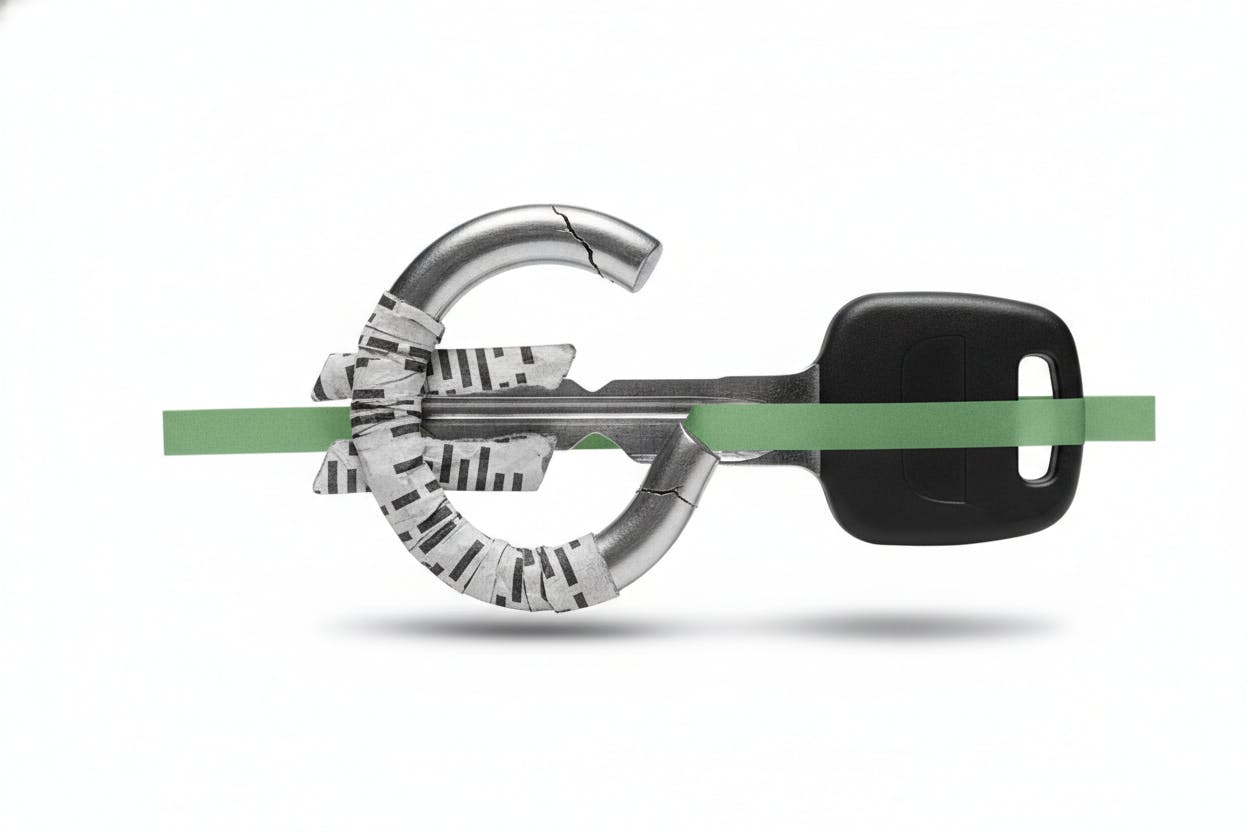
Honda is exploring a major bond sale in Europe, according to a report from Nikkei, as the automaker rethinks its electric vehicle strategy and shores up cash for suppliers. The Japanese carmaker is considering issuing euro-denominated debt worth more than 400 billion yen — roughly $2.5 billion — in three tranches with maturities of 3, 6, and 10 years.
The company is currently gauging demand from institutional investors before locking in an interest rate, Nikkei reported, citing sources familiar with the matter. Proceeds from the bond sale would go toward paying auto-parts suppliers and funding continued investment in hybrid vehicles, which Honda now sees as a more central part of its lineup than it previously signaled.
Why Honda Is Turning to Europe’s Bond Market
Honda’s fundraising push comes at a time when the company is under financial pressure. The automaker recently reported an annual loss, weighed down by large restructuring charges tied to its EV business and intensifying competition, particularly from Chinese automakers. Management has forecast a return to profitability through cost-cutting measures and strength in its motorcycle division, but the company’s financing choices will matter for years because they can raise or lower interest expenses.
By issuing bonds in euros rather than yen, Honda is tapping into a market where borrowing costs may be lower — but only if the company can use the euros directly. If Honda needs to convert the proceeds into yen, it will typically use a cross-currency swap, an agreement to exchange euros for yen now and reverse the transaction later. In that case, the all-in borrowing cost becomes the bond’s euro interest rate plus or minus the cost of that hedge, which can shift with the gap between euro and yen interest rates and demand for hedging. Longer maturities usually lock in more of that uncertainty, so investors will watch how the 10-year tranche prices compared with the 3- and 6-year notes and what it implies for Honda’s future financing costs.
A Pivot From EVs to Hybrids
Honda’s decision to raise money for hybrid investment marks a notable shift from its earlier, more aggressive EV targets. Like many legacy automakers, Honda had pledged to go all-electric in key markets by 2040, but slowing EV demand, high battery costs, and charging infrastructure gaps have prompted a strategic reset. The company now plans to lean more heavily on hybrids, which combine a gasoline engine with an electric motor and are more profitable in the near term.
This hybrid-focused approach is not unique to Honda. Several global automakers have scaled back EV ambitions and are instead investing in hybrid and plug-in hybrid models as a bridge technology. For Honda, the shift also helps manage cash flow: hybrids require less capital expenditure on new battery plants and dedicated EV platforms, freeing up money for other priorities.
The bond sale also comes amid a broader wave of corporate fundraising and dealmaking. In recent weeks, companies across sectors have tapped debt markets or pursued acquisitions, including Rocket Lab and Martin Marietta leading a $22.5 billion M&A wave, and Minted exploring a sale at a $1 billion valuation. While Honda’s bond sale is smaller in scale, it reflects a similar need for capital to fund strategic pivots.
What It Means for Investors
For everyday investors, Honda’s euro bond plan offers a window into the company’s financial health and strategic direction. The fact that Honda is raising debt rather than relying solely on cash flow suggests it is managing tight margins and a need for liquidity. The annual loss, driven by EV restructuring charges, underscores the risks of the EV transition — even for established automakers with strong brand recognition.
Investors should also consider the currency angle. If Honda’s euro bond is swapped into yen, the final cost of borrowing will depend on hedging costs, which can change with interest rate differentials between the eurozone and Japan. A widening gap could make the debt more expensive, eating into profits. Conversely, if Honda can use the euros directly for European operations, the hedge may be less of a factor.
Longer-term, the success of Honda’s hybrid strategy will be key. If hybrids help the company return to profitability and generate steady cash flow, the bond sale will look like a prudent move. But if competition from Chinese automakers intensifies or if EV demand rebounds faster than expected, Honda could find itself playing catch-up again.
For now, the market will watch how the bond pricing goes — especially the 10-year tranche — as a signal of investor confidence in Honda’s turnaround plan and its ability to manage currency risk.