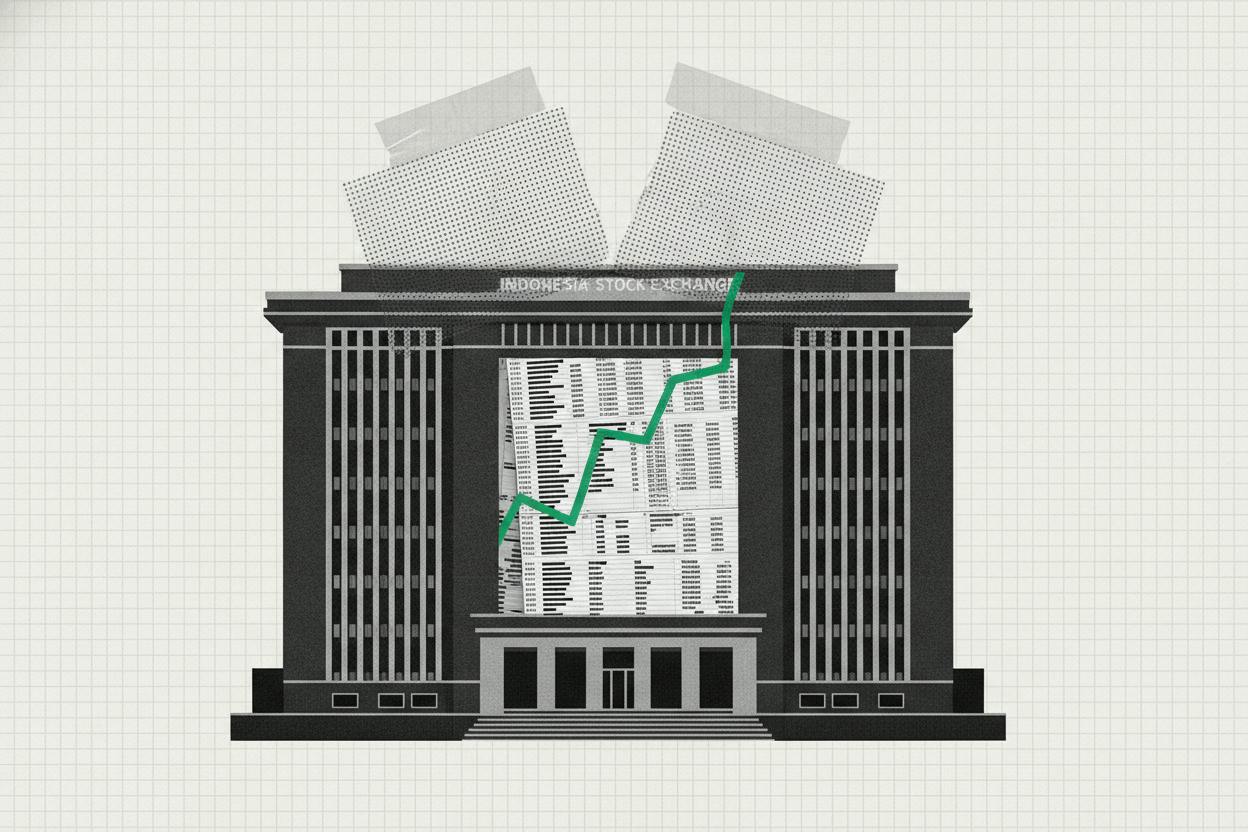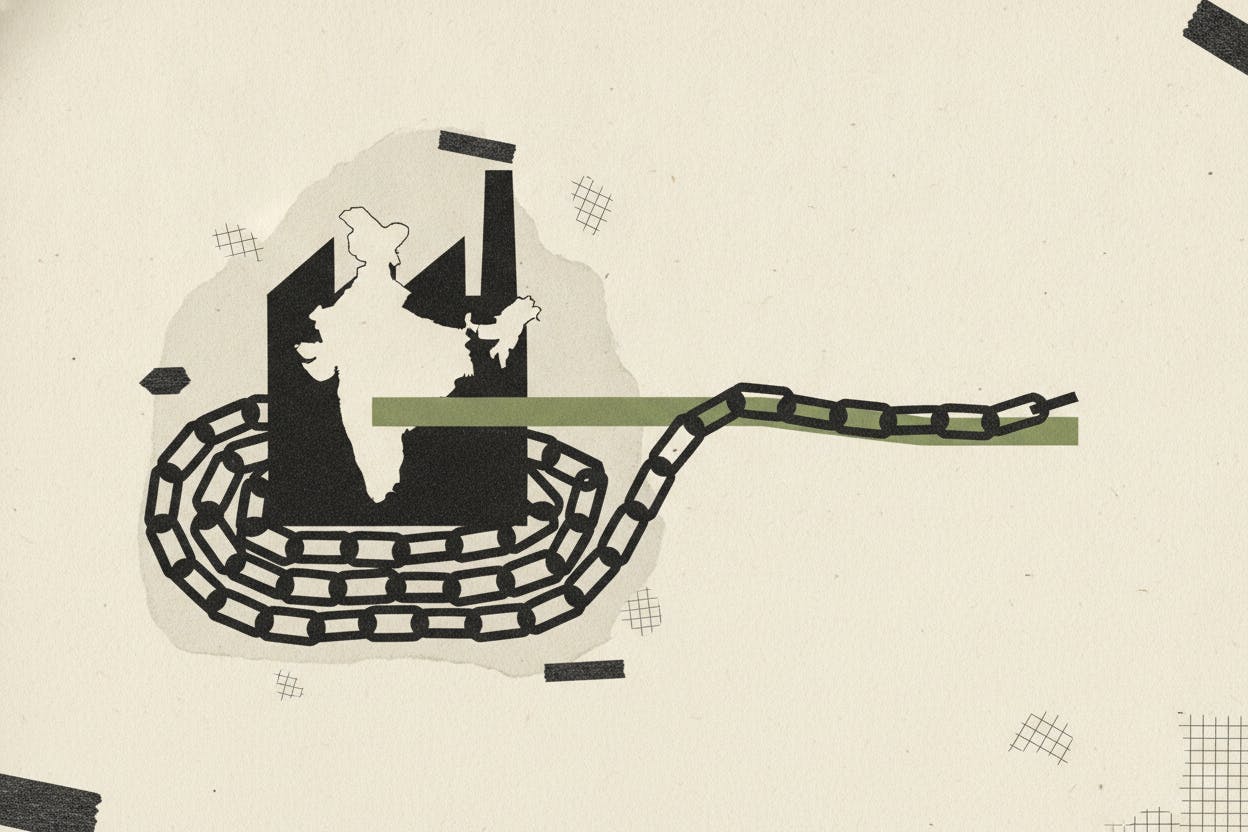
India's contract manufacturer Zetwerk Manufacturing Businesses has updated its IPO filing, revealing that the bulk of the fresh capital it plans to raise will go toward paying down existing debt. The company now aims to raise 26 billion rupees (about $310 million) through a fresh issue of shares, with 18 billion rupees earmarked for debt repayment. The remainder is slated for general corporate purposes and potential acquisitions.
What's in the updated filing?
The updated draft red herring prospectus (DRHP) shows Zetwerk will combine the fresh issue with an offer for sale (OFS) of 96.8 million shares from existing investors, according to Reuters. While the OFS portion allows early backers to cash out, the fresh issue is what brings new money into the company's coffers. And the allocation of those funds is telling: nearly 70% of the fresh capital is dedicated to reducing borrowings.
That's a notable shift from the typical IPO narrative of "funding expansion." Instead, Zetwerk's pitch is increasingly about fixing its balance sheet. Less debt usually means lower interest expenses, which can directly improve profitability and free up cash for other uses.
Why debt repayment matters
Contract manufacturers like Zetwerk often carry significant debt to finance working capital—buying raw materials, paying suppliers, and managing inventory before customers pay. But high interest costs can eat into margins, especially in a capital-intensive industry. By using IPO proceeds to pay down borrowings, Zetwerk could reduce its interest burden and potentially boost net income.
For investors, this is a double-edged sword. On one hand, a cleaner balance sheet is generally a positive signal. It suggests the company is prioritizing financial health over aggressive expansion. On the other hand, it also means the IPO isn't primarily funding new growth initiatives, which could limit near-term revenue acceleration.
The company also said it may use some proceeds for acquisitions, but that remains optional. The core message is clear: debt reduction is the priority.
What it means for investors
For everyday investors evaluating the Zetwerk IPO, the key takeaway is to look beyond the headline "funding expansion" and focus on how the money will actually be used. Debt repayment can be a prudent move, especially if the company's existing loans carry high interest rates. Lower leverage could also make the company more resilient to economic downturns.
However, investors should also consider that the OFS component means some existing shareholders are selling their stakes. That's not unusual in IPOs, but it does mean the company itself won't receive all the proceeds—only the fresh issue portion goes to the company.
Zetwerk operates in India's fast-growing manufacturing sector, which has been a focus of government policy and foreign investment. The broader market context is also relevant: Indian equities have been buoyant, with a busy earnings season and inflation running at 4.45%, which may delay rate cuts. A stable interest-rate environment could make debt repayment less urgent, but it also means borrowing costs remain elevated.
Investors should also watch how Zetwerk's debt levels compare with peers. Contract manufacturing is a competitive field, and companies with lower leverage often have more flexibility to invest in capacity or weather demand shocks.
The bigger picture
Zetwerk's IPO is part of a wave of Indian companies tapping public markets. The country's capital markets have seen strong retail participation, and foreign investors are increasingly interested in Indian assets. But not all IPOs are created equal. The use of proceeds is a critical factor that can differentiate a growth story from a balance-sheet repair story.
For Zetwerk, the updated filing suggests the company is being pragmatic. Rather than overpromising on expansion, it's addressing its debt load—a move that could appeal to risk-averse investors. Still, the success of the IPO will depend on whether investors believe the debt reduction will translate into better long-term performance.
As always, investors should read the full prospectus and consider their own risk tolerance. IPOs are inherently risky, and the aftermarket performance can be volatile. But understanding where the money goes is a crucial first step.