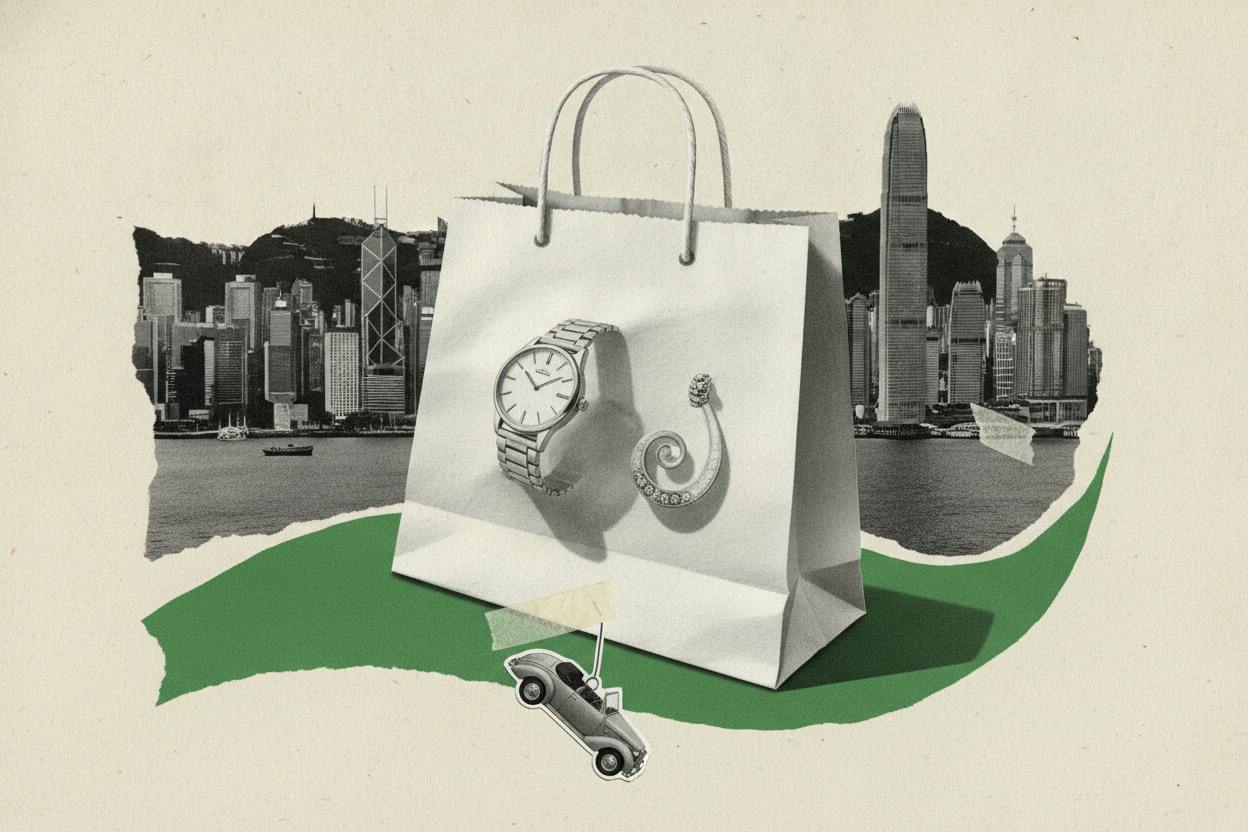
Hong Kong's retailers had another solid month in September, with sales rising 6.4% from a year earlier to HK$33.4 billion. The gain, reported by the government, was driven by a pickup in visitor arrivals and spending tied to the Mid-Autumn Festival, a key shopping period in the city.
The pace of growth accelerated from August's 5.6% increase, and sales volumes—which strip out the effect of price changes—were up 3.9% year-on-year. That suggests shoppers were not only spending more overall but also buying more items, not just paying higher prices.
Tourism leads the way
A major driver was tourism. Visitor arrivals climbed 22.4% to 4.03 million in September, including 3.17 million travelers from mainland China, up 28.9% from a year earlier. Tourists tend to spend heavily on categories like jewellery, watches, and other high-value gifts, and those segments showed strong gains.
Sales of jewellery, watches, clocks, and valuable gifts jumped 20.3%, while clothing and footwear swung back to 11.3% growth after dipping in August. These are often considered “treat” purchases—items that shoppers buy when they feel confident about their finances or when they are celebrating a special occasion.
The tourism boost is part of a broader trend. For the first nine months of the year, retail sales value is up 8.3% compared with the same period in 2025, with volumes up 5.9%. The government has pointed to inbound travel and seasonal events as key tailwinds for the sector.
A two-speed retail picture
But the rebound is not even across all categories. Motor vehicles and parts sales sank 34.7% in September, a sharp decline that highlights the pressure on big-ticket, financing-sensitive purchases. While discretionary spending on smaller items is improving, purchases that require larger outlays or credit are still struggling.
This divergence matters for investors because it shows that the recovery is being driven by a mix shift rather than a broad-based spending boom. When sales value grows faster than volumes, it often means the product mix is doing more work than sheer foot traffic from locals. With arrivals up sharply, the tilt toward higher-margin discretionary goods looks real, which can help tourism-facing retailers generate more revenue per transaction and improve profitability.
It can also support turnover-linked rents in prime shopping districts, where landlords take a cut of tenants' sales. That could be a positive for real estate investment trusts and property companies with exposure to Hong Kong's retail sector.
What it means for investors
For investors, the September data offers a nuanced picture. On one hand, the strong growth in jewellery and clothing suggests that tourism is translating into higher spending per visitor, which is a good sign for retailers that cater to travelers. On the other hand, the sharp drop in motor vehicle sales is a reminder that consumers are still cautious about large, credit-dependent purchases.
This two-speed dynamic is similar to what we've seen in other markets, where spending on experiences and smaller discretionary items recovers faster than big-ticket goods. It also echoes trends in China's stock market, where investor sentiment remains fragile despite policy support.
For investors, the key takeaway is to look at the composition of retail sales, not just the headline number. Companies that benefit from tourism and high-margin discretionary goods may continue to outperform, while those tied to big-ticket items like autos could face ongoing headwinds. The record exports from BYD show that some auto makers are finding growth elsewhere, but the domestic Hong Kong market remains challenging for vehicle sales.
Overall, the September retail sales report suggests that Hong Kong's consumer sector is recovering, but unevenly. Investors should watch whether the tourism-driven momentum continues into the holiday season and whether the weakness in big-ticket items starts to ease. As always, it's important to consider how these trends affect individual companies and their specific exposure to the Hong Kong market.