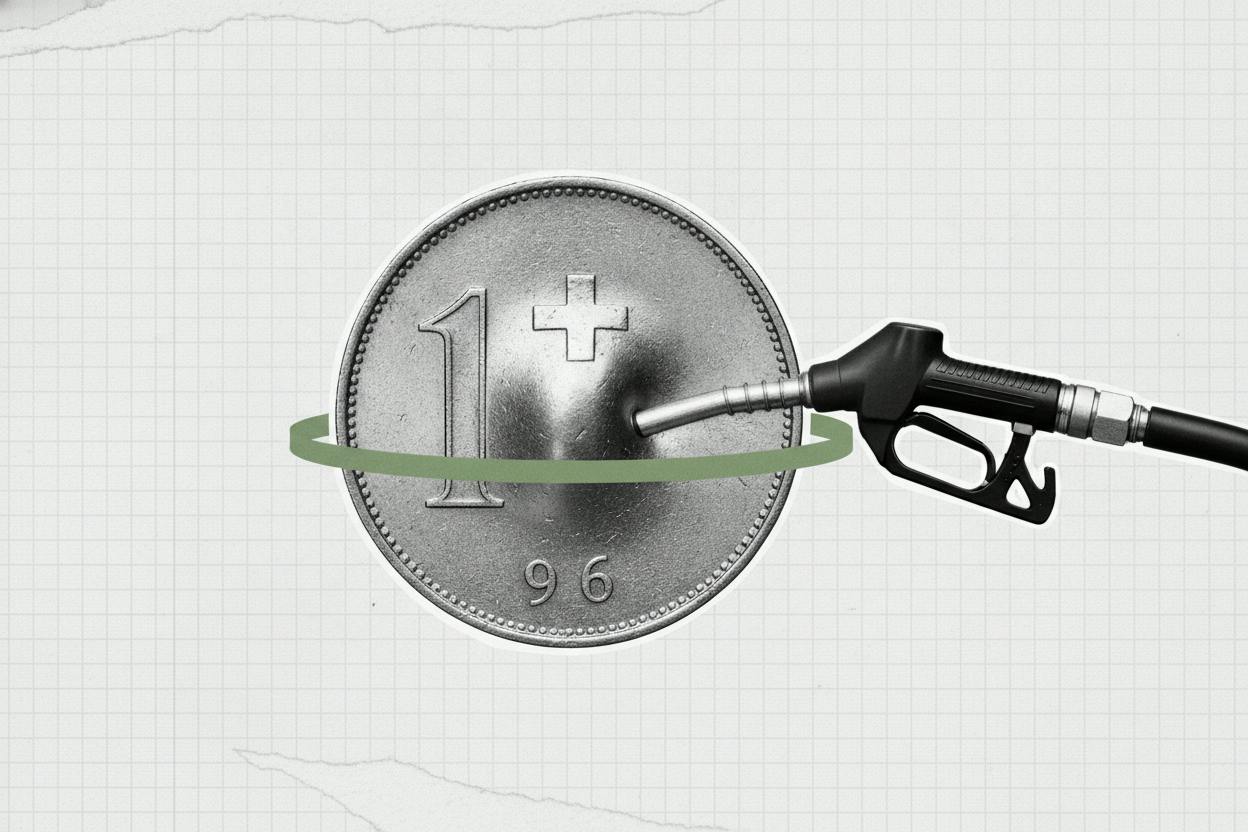
Switzerland's inflation rate climbed to 1.5% in October, its highest level in nearly three years, as higher fuel prices pushed up consumer costs. The reading, released by the country's statistics office, rose from 1.0% in September and came in above the 1.3% that economists had expected in a Reuters poll.
The increase was largely driven by energy costs feeding into gasoline prices, which helped push monthly inflation up 0.2% after being flat in September. But beneath the headline, the picture was more muted: core inflation, which strips out volatile items like energy and some seasonal goods, held steady at 0.5% year-on-year.
That distinction matters because the Swiss National Bank (SNB) targets inflation in a range of 0% to 2%. At 1.5%, headline inflation is still inside that band, and the subdued core reading suggests the recent pickup is not a broad-based wave of price increases. That gives policymakers room to wait before adjusting their policy rate, which currently sits at 0%.
Why the SNB's 0% rate is under scrutiny
The SNB has kept its benchmark rate at 0% for years, a stance that has made the Swiss franc a popular "funding currency" for investors who borrow in francs to invest elsewhere. But when headline inflation surprises to the upside, markets start to question how long that rate can stay put.
October's print makes the SNB's 0% rate less of a lock. Even though core inflation remains calm, a higher-than-expected headline number forces traders to revisit the odds and timing of a potential rate hike. That repricing typically shows up first in short-term interest rates: yields on short-dated Swiss government bonds and money-market instruments are the most sensitive to shifting expectations for where the SNB sets its policy rate.
If traders begin to treat a hike as more plausible, the Swiss franc could strengthen. Higher expected Swiss yields reduce the appeal of using the franc as a cheap funding currency, which can tighten financial conditions for rate-sensitive sectors of the Swiss economy and for companies whose earnings are sensitive to the currency's value.
What it means for investors
For everyday investors, the key takeaway is that Switzerland's inflation story is still one of contained price pressures, even if the headline number grabs attention. The 1.5% reading is a reminder that energy costs can create temporary spikes, but the underlying trend remains mild.
That said, the surprise could have ripple effects. If markets start pricing in a higher chance of an SNB move, Swiss bond yields could rise and the franc could firm. For investors holding Swiss assets or companies with exposure to the franc, that could mean currency-related swings in returns.
The situation also echoes broader global trends. Central banks around the world have been grappling with how to respond to energy-driven inflation while core prices stay subdued. In Turkey, October inflation beat forecasts on clothing prices, while South Korea's inflation cooled but stayed above target, keeping rate hike expectations alive. These divergent paths highlight how different economies are balancing growth and price stability.
For Switzerland, the immediate question is whether fuel prices will keep climbing. If they do, headline inflation could push higher, testing the SNB's patience. But with core inflation at 0.5%, the central bank has room to look through the noise. As gold rebounded on easing oil slump inflation fears, energy prices remain a wildcard for inflation forecasts worldwide.
Investors should watch upcoming inflation readings and any signals from the SNB about its policy stance. A sustained rise in core inflation would be a more serious concern, but for now, the central bank's 0% rate looks safe—at least until the next fuel-driven surprise.