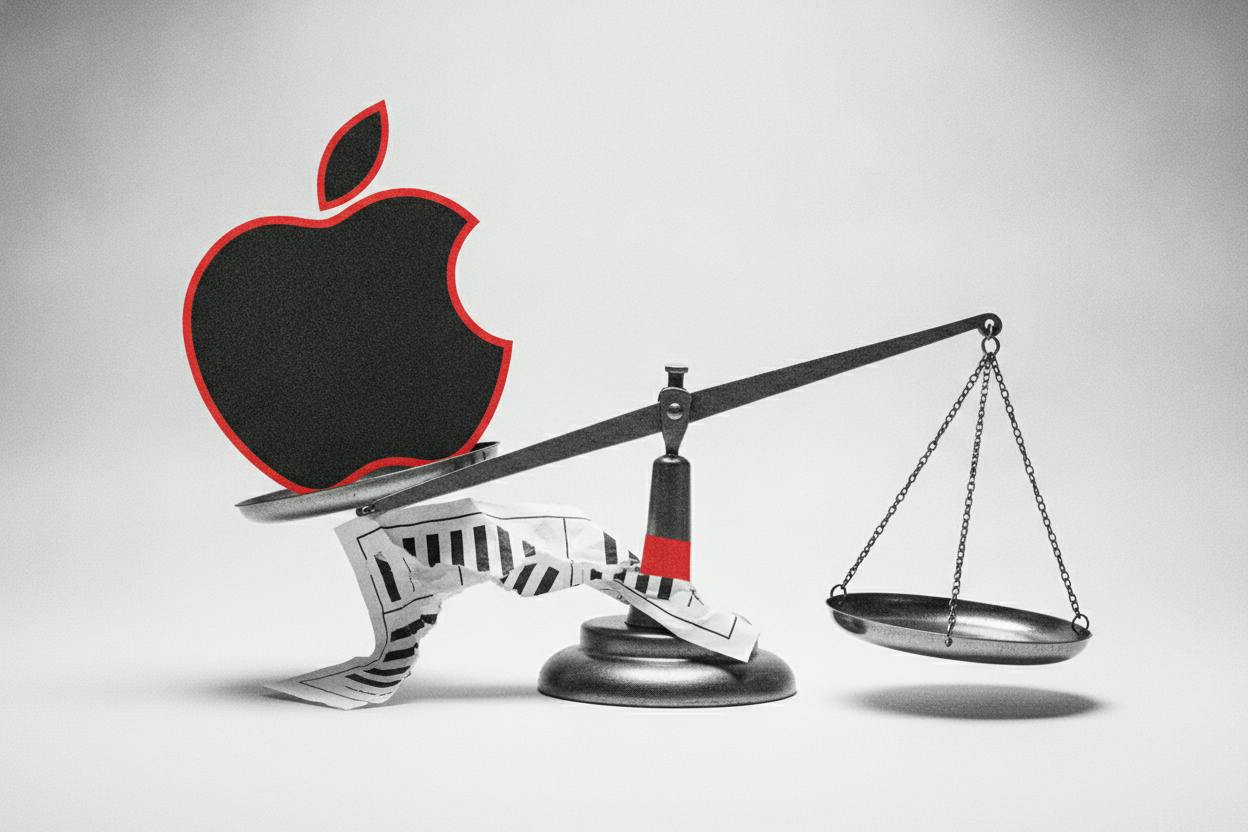
US stock futures were mixed early Tuesday, with the Dow pointing lower while the S&P 500 and Nasdaq-100 hovered near the flatline. The split came as traders juggled three competing forces: uncertainty around the US midterm elections, a bounce in oil prices, and fresh nerves about Big Tech after Apple slid 4.5% in premarket trading.
The divergence in futures is a reminder that, for now, the market's direction is still heavily influenced by a handful of mega-cap technology stocks. When one of those names moves sharply, it can drag or lift the broader indexes even if the rest of the market is relatively calm.
Apple's margin warning rattles investors
Apple's premarket drop followed a warning that rising memory-chip costs could pressure its holiday-quarter gross margin. Gross margin is the share of sales left after direct production costs, and it's a key metric analysts watch closely. When component costs rise faster than a company can raise prices, that margin gets squeezed through cost of goods sold.
Even small changes in gross margin can lead analysts to trim their forward earnings per share estimates, a common profit yardstick. Because Apple is such a large weight in the S&P 500 and Nasdaq-100, those tweaks can ripple into index moves and sentiment across other "quality" mega-caps. That's why broad market action can stay unusually sensitive to Apple-specific margin headlines, even while other tech names move for entirely different earnings-related reasons.
The warning is less about iPhone demand and more about the math of profitability. If Apple can't fully pass on higher chip costs to consumers, its profit per device shrinks. Investors are now watching to see whether the company can offset those costs through price hikes or operational efficiencies.
Palantir's 'good' earnings still disappoint
Elsewhere, data-mining firm Palantir dropped even after topping quarterly expectations and guiding revenue above forecasts. The reaction underscores how "good" earnings can still disappoint when investors are demanding cleaner, more reliable growth. Palantir's stock had run up significantly in recent months, so the bar for what counts as a positive surprise is higher.
This pattern is becoming more common in this earnings season. Companies that beat estimates but show any sign of slowing momentum or reliance on one-off factors are being punished. Investors are increasingly focused on the quality and sustainability of growth, not just the headline numbers.
Midterm elections and oil in focus
At the same time, traders were watching election results for clues on fiscal policy, deficits, and the odds of policy gridlock. Midterm elections often lead to a split Congress, which historically means less dramatic policy changes. That can be a relief for markets, but it also means less stimulus and more uncertainty around spending and tax decisions.
Oil's rebound also kept inflation and geopolitical risk in the background. Crude prices had been volatile, and a bounce adds to concerns that inflation could stay sticky. That matters for the Federal Reserve's interest-rate path, which remains a key driver for stocks.
What it means for investors
For everyday investors, the takeaway is that market moves are being driven by a few big stories: Apple's margin pressure, election outcomes, and oil prices. The mixed futures suggest that investors are not confident enough to push all indexes higher, but they're also not panicking.
Apple's warning is a reminder that even the most profitable companies face cost pressures. For investors holding index funds, a drop in Apple can weigh on returns, but it's also a normal part of market volatility. The key is to focus on long-term fundamentals rather than reacting to every premarket move.
As more companies report earnings this week, expect more of the same: stocks reacting sharply to any hint of margin pressure or slowing growth. The election results will also continue to influence sentiment, especially around sectors like healthcare, energy, and financials.
For those watching the tech sector, the recent earnings reports have shown a common theme: sales may be strong, but margins are under pressure. That's a trend worth monitoring, as it could affect valuations across the sector.
In the meantime, oil's rebound adds another layer of complexity. Higher energy prices can squeeze consumer spending and increase costs for businesses, which is why investors are keeping a close eye on crude.
Ultimately, the market's mixed start reflects a lot of moving parts. For investors, the best approach is to stay diversified and avoid making hasty decisions based on a single day's futures move.