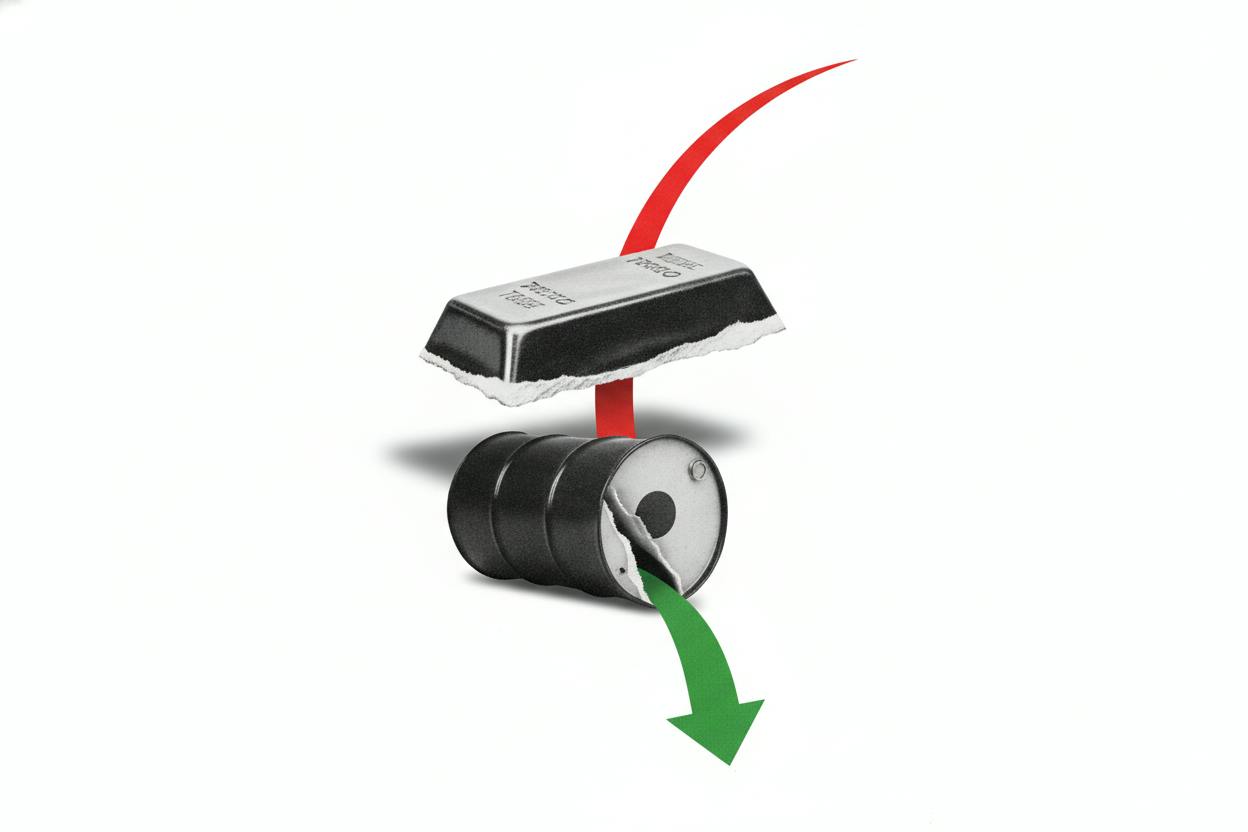
Gold prices rebounded sharply on Monday, climbing more than 2% after hitting their lowest level in a year, as a steep drop in oil prices cooled inflation worries and prompted traders to scale back expectations for another Federal Reserve interest rate hike in December.
Spot gold rose 2.1% to $3,954.41 an ounce, according to Reuters, after finishing the previous session at its weakest level since October 2025. US gold futures settled 1.8% higher at $3,969.60. The bounce came after a rough stretch for the precious metal, which had been under pressure from higher interest rates and a stronger dollar.
Oil slump takes the heat off inflation
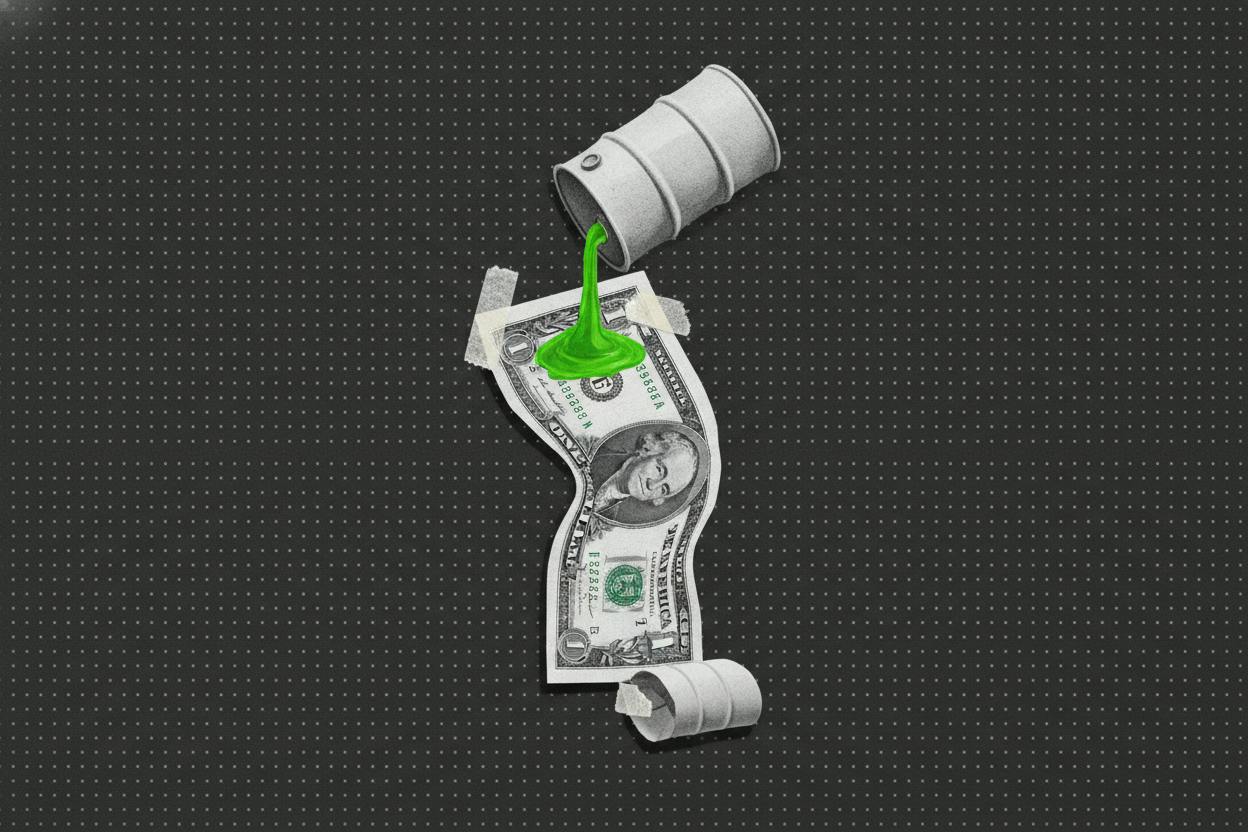
The key catalyst was a sharp decline in crude oil prices, which fell about 8% amid easing concerns about supply disruptions. Cheaper oil typically translates into lower energy costs for businesses and consumers, which can help bring down overall inflation. That, in turn, reduces the pressure on central banks to keep raising interest rates aggressively.
Gold is often seen as a hedge against inflation, but it is also highly sensitive to interest rates. When rates rise, the opportunity cost of holding gold—which pays no interest—increases, making the metal less attractive. So a cooling inflation outlook can be a double-edged sword: it may reduce gold's appeal as an inflation hedge, but it also lowers the likelihood of further rate hikes, which tends to support gold prices.
This dynamic was on full display in Monday's trading. As oil prices tumbled, traders quickly adjusted their expectations for the Federal Reserve's next move. According to CME Group's FedWatch tool, the probability of a 25-basis-point rate hike at the December meeting fell noticeably, though the tool was not cited in the original report. The shift in sentiment helped gold recover from its recent lows.
Midterm elections in focus
Investors also kept one eye on the November 3rd US midterm elections. While the outcome won't directly set monetary policy, it can influence fiscal policy and the broader economic outlook. Markets often prefer gridlock, as it reduces the likelihood of major policy shifts that could disrupt growth or corporate profits.
Historically, midterm elections have been a source of short-term volatility, but the longer-term impact on gold is less clear. Some analysts note that political uncertainty can boost gold's safe-haven appeal, while others point out that a clear election result—regardless of who wins—can reduce uncertainty and weigh on the metal.
For now, traders are treating the elections as a potential wildcard, but the immediate driver of gold's move was the oil price slump and its implications for inflation and interest rates.
What it means for investors
For everyday investors, the rebound in gold is a reminder that the metal's price is driven less by physical demand—like jewelry or industrial use—and more by expectations about inflation and central bank policy. When those expectations shift, gold can move quickly in either direction.
The recent slide in oil prices, if sustained, could help ease inflation pressures across the economy. That would be good news for consumers facing high prices at the pump and in the grocery store, and it could also reduce the need for the Fed to keep hiking rates. Lower rates would be supportive for stocks and bonds, but they could also diminish the appeal of gold as a safe haven.
Investors should also note that gold remains highly volatile. A 2% daily move is not unusual, and the metal can just as easily give back those gains if inflation fears resurface or if the Fed signals a more hawkish stance. As always, diversification is key—gold can play a role in a portfolio, but it should not be treated as a sure bet.
Looking ahead, market participants will be watching the midterm results, any new inflation data, and the Fed's commentary for clues about the path of interest rates. The interplay between oil, inflation, and central bank policy will likely continue to drive gold prices in the coming weeks.