The US dollar slipped on Monday as a sharp drop in oil prices eased inflation concerns and pulled Treasury yields lower, just as investors braced for a week packed with potential market movers: US midterm elections, a key jobs report, and central bank decisions in several major economies.
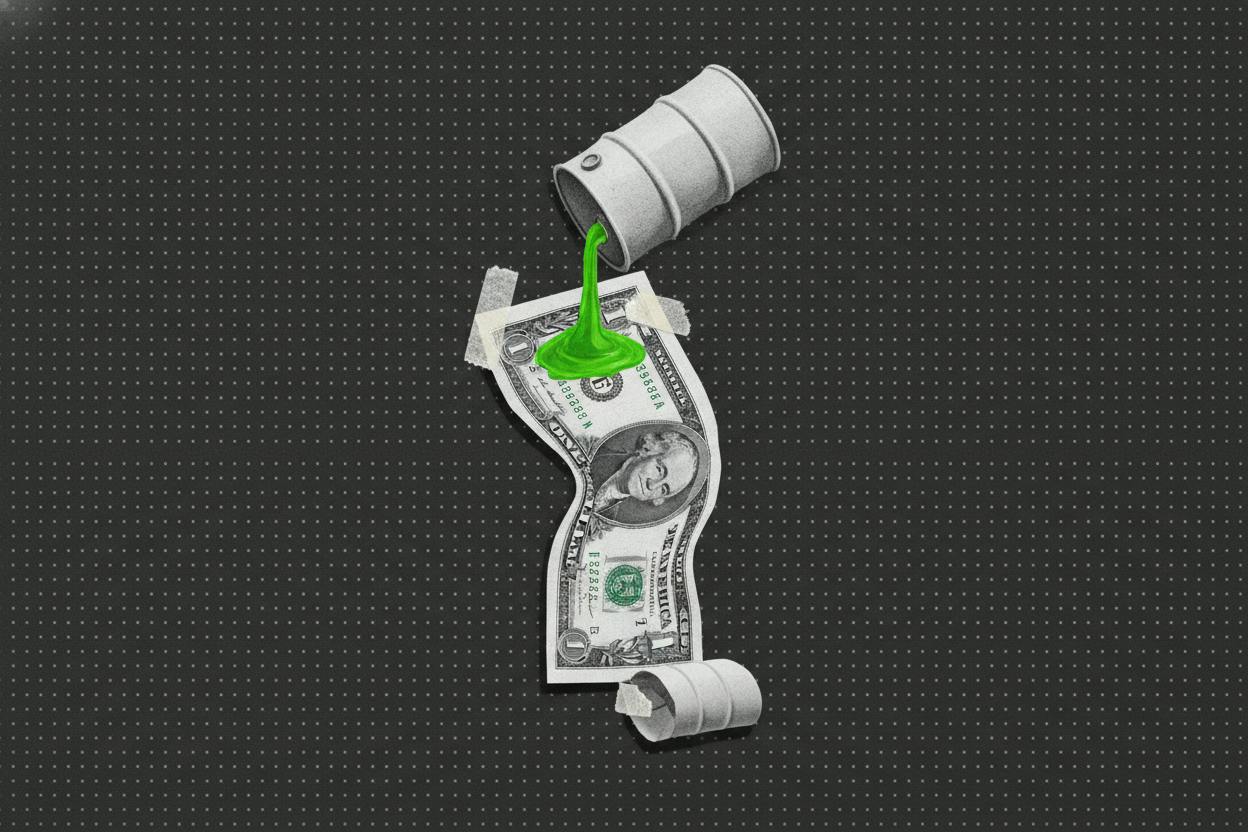
December West Texas Intermediate (WTI) crude, the US benchmark, fell from testing $105 a barrel on Friday to below $100 on Monday, a decline of roughly 7%. The move came as traders took comfort from signs of fewer near-term supply disruptions in the Middle East, reducing the risk premium that had been built into energy prices.
Why oil matters for the dollar
Oil isn't just a commodity story—it's also a currency story. When crude prices fall quickly, investors often lower their expectations for near-term inflation. That, in turn, can reduce the extra return investors demand to hold longer-term bonds, pushing Treasury yields down. With US yields easing, the dollar's advantage over other currencies narrows, because higher yields typically attract foreign capital seeking better returns.
That dynamic played out on Monday. The dollar index, which measures the greenback against a basket of major currencies, dipped to 101.76 after briefly touching 101.42. The euro rose to $1.1192, even as Fitch, a credit rating agency, shifted France's outlook to “negative,” a sign that the currency's strength was driven more by dollar weakness than by euro-zone optimism.
This isn't an isolated move. Oil's recent slide has been pulling long-term Treasury yields lower, and the ripple effects are showing up across currency markets. A similar dynamic was visible in how oil's plunge lifted the US dollar against the Canadian dollar in a previous session, though this time the dollar's overall index is the one under pressure.
A week of catalysts ahead
The catch is that the week ahead is full of events that could quickly rebuild or erase the dollar's yield advantage. Here's what investors are watching:
- US midterm elections: Control of Congress is at stake, and the outcome could influence fiscal policy, spending, and the path of interest rates.
- Jobs data: A run of labor-market releases culminates in Friday's October payrolls report, a key gauge of economic health and a major input for Federal Reserve policy.
- Central bank decisions: The Bank of England, the Reserve Bank of Australia, Norges Bank, and Sweden's Riksbank all meet this week, and their statements could shift global rate expectations.
Even Monday's data underscored the push-pull. The ISM manufacturing survey strengthened to 55.5, a solid reading that suggests the US economy is still growing. But input prices remained elevated, keeping inflation worries in the conversation. That mix—strong growth but sticky price pressures—means the Fed's next moves are far from certain.
What it means for investors
For everyday investors, the dollar's slide is more than a headline number. A weaker dollar can affect the value of international investments, the cost of imported goods, and the earnings of US companies that do business abroad. When the dollar falls, foreign currencies buy more dollars, which can boost the dollar-denominated earnings of multinational firms.
But the bigger takeaway is how sensitive markets are right now to anything that changes the path for interest rates. The dollar index is hovering around the low 101s, and its next leg may hinge less on general “risk-on, risk-off” mood and more on whether payrolls and central bank messaging widen or narrow the US yield gap again.
In other words, foreign-exchange markets are set up to react sharply to any surprise. A strong jobs report could reignite rate-hike bets and lift the dollar, while a weak one could do the opposite. Similarly, a dovish tone from any of the central banks meeting this week could ripple through currencies and bond markets.
For now, the oil-driven drop in yields has given the dollar a breather. But with so many catalysts on the calendar, the calm may not last. Investors should keep an eye on the data and the headlines—because in a week like this, the next big move could come from any direction.