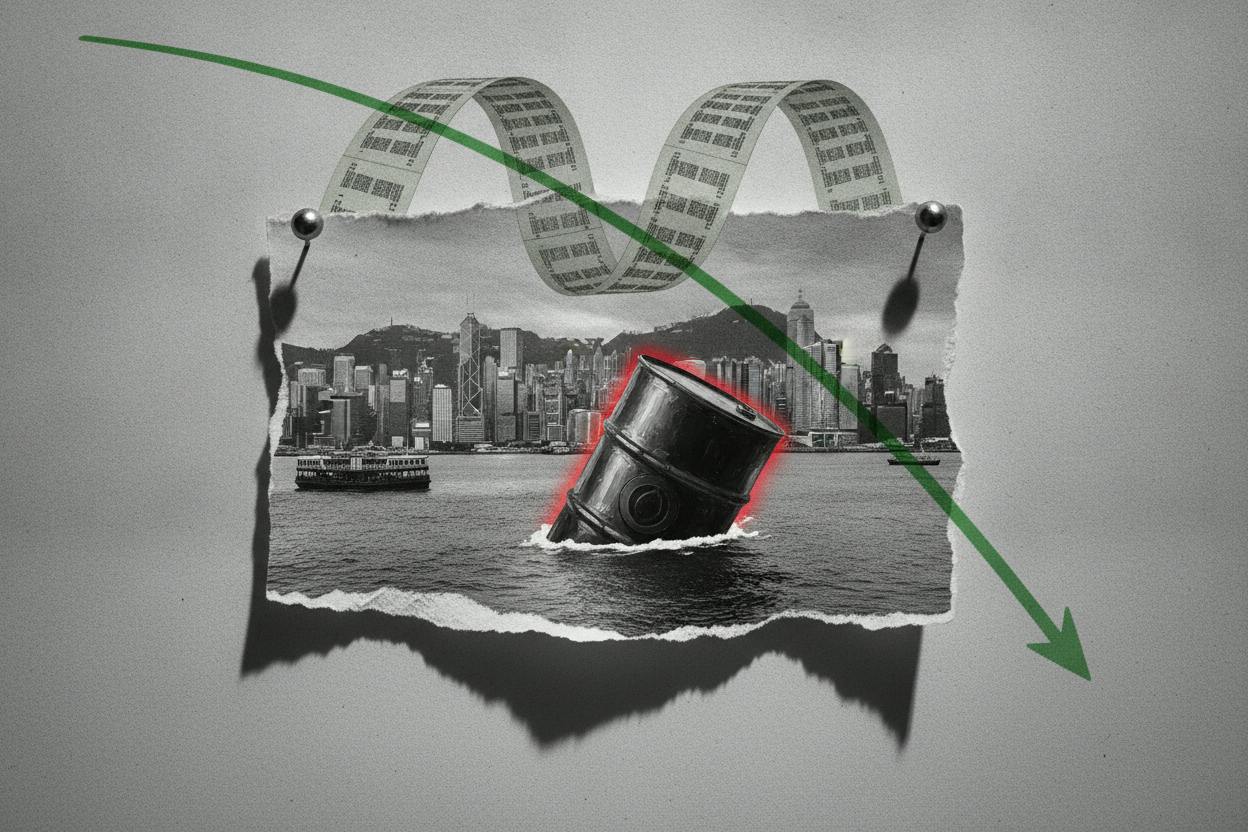
Hong Kong stocks took a hit on [day], with the Hang Seng index falling 1.4% as a combination of higher oil prices and rising bond yields dampened investor enthusiasm. The decline reflects a broader mood of caution across global markets, where concerns about inflation and interest rates are back in the spotlight.
What's driving the selloff?
The immediate triggers were twofold: energy prices climbed and bond yields jumped. According to MT Newswires, Brent crude oil rose 2.1% to $102.30 a barrel, while US crude gained 1.7% to $89.79. The increases came after attacks on shipping in the Gulf raised worries about supply disruptions. When oil prices go up, they can push inflation higher, which is a problem for central banks trying to bring prices under control.
At the same time, bond yields—which move inversely to bond prices—have been rising. Higher yields mean higher borrowing costs for companies and governments, which can eat into corporate profits and make stocks less attractive relative to bonds. For investors, this combination of pricier oil and higher yields often spells trouble for riskier assets like equities.
The rate worries were reinforced by the Federal Reserve's latest meeting minutes, which showed that most officials still expect another rate hike by the end of the year. Even though the Fed has paused its increases recently, the possibility of more tightening keeps investors on edge. As Fed minutes keep a rate hike on the table, markets around the world are feeling the pressure.
Why oil and yields matter for your money
For everyday investors, the link between oil, bond yields, and stock prices might seem abstract, but it has real consequences. When oil prices rise, the cost of fuel and transportation goes up, which can squeeze profit margins for many companies. If inflation stays stubborn, central banks may keep interest rates higher for longer, making loans more expensive for businesses and consumers alike.
Rising bond yields also affect how investors value stocks. When government bonds offer higher returns, some investors shift money out of stocks and into bonds, which can push stock prices down. This is especially true for growth stocks and tech companies, which are more sensitive to interest rate changes because their value depends heavily on future earnings.
The Hang Seng's decline wasn't isolated. Other Asian markets also felt the strain, with Japanese stocks sliding on similar concerns. The ripple effects of higher yields and shipping risks are being felt across the region.
What to watch next
Investors will be keeping a close eye on oil prices and bond yields in the coming days. If energy costs continue to climb, inflation expectations could rise, making it more likely that the Fed follows through on its hinted rate hike. That would likely keep pressure on stocks globally.
In Hong Kong, the focus is also on Chinese tech stocks, which have been volatile recently. As traders return to weak sentiment in China tech, any further negative news could weigh on the Hang Seng. Additionally, any major corporate fundraising, like CIG Shanghai's planned HK$6.54 billion raise, could affect market liquidity and sentiment.
For now, the message for ordinary investors is to stay informed and not panic. Market pullbacks like this are normal, especially when interest rate expectations shift. Diversification and a long-term perspective remain key strategies for weathering short-term volatility.
As always, it's important to remember that past performance is not a guarantee of future results, and no one can predict exactly where markets will go next. But understanding the forces at play—like oil prices, bond yields, and central bank policy—can help you make more informed decisions about your own investments.