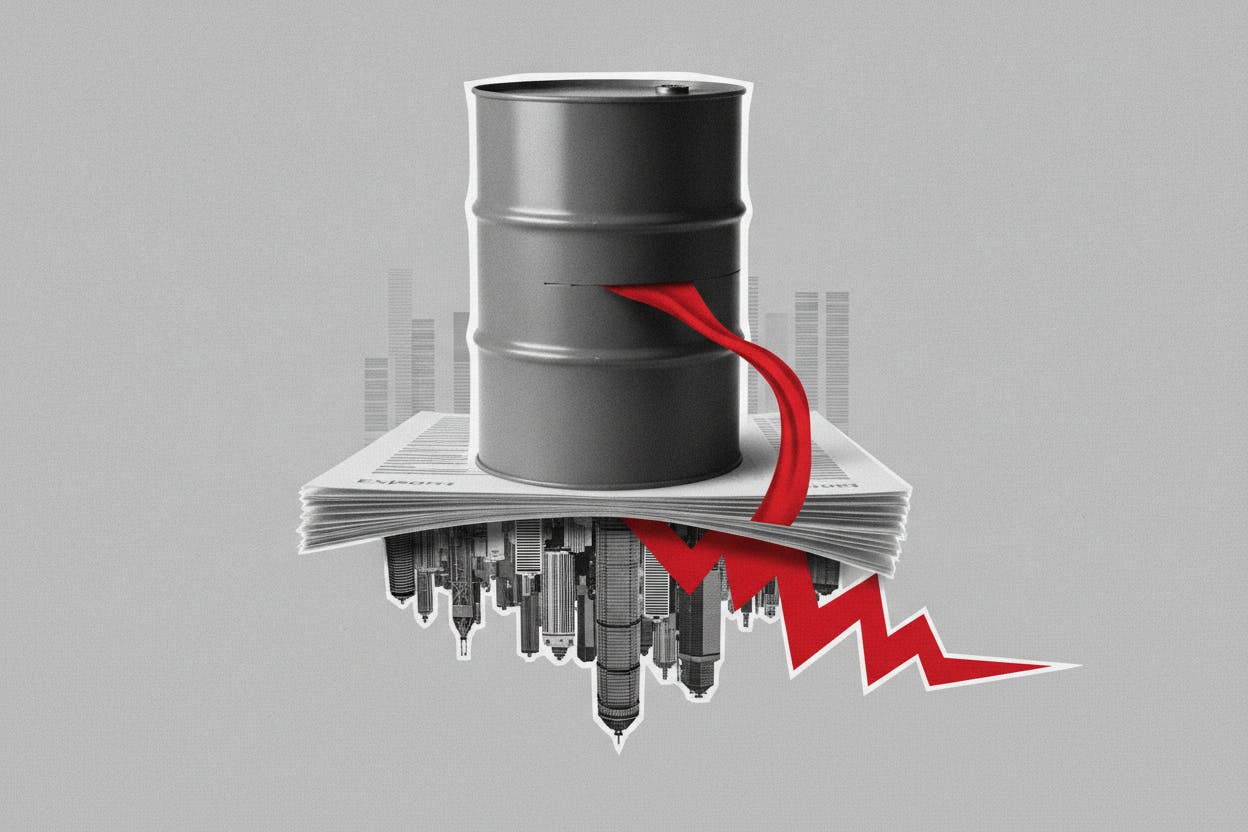
Hong Kong stocks slipped on Tuesday as oil prices extended their rally, with Brent crude climbing 1.4% to $98.34 a barrel. The move came after fresh US-Iran tensions revived fears of supply disruption and higher inflation, weighing on investor sentiment across the region.
The Hang Seng Index and the Hang Seng China Enterprises Index (HSCEI) both fell 0.4%, as pricier energy weighed on the market. Oil has now climbed for a third straight session after Iran threatened retaliation against the US and said it had test-fired an advanced missile at US warships. That kept traders focused on the possibility that crude flows could be interrupted.
Why oil prices matter to stock markets
Oil is a key input for many industries, from transportation to manufacturing. When crude prices rise sharply, companies face higher costs, which can squeeze profit margins. For consumers, more expensive fuel can reduce spending power, potentially slowing economic growth. Central banks also watch oil closely because energy costs feed directly into inflation, which influences interest rate decisions.
For Hong Kong, a major trading hub with a large energy-importing economy, higher oil prices can be a drag on corporate earnings and consumer sentiment. The Hang Seng's decline reflects that concern, as investors reassess the outlook for growth and inflation.
China's exports get a boost from high-tech and AI
Amid the oil-driven market jitters, there was some positive news from China's trade data. August exports got a lift from high-tech and AI demand, according to the brief. This suggests that despite global economic uncertainties, demand for Chinese technology products remains resilient.
The strength in high-tech exports is part of a broader trend. As the world increasingly adopts artificial intelligence and advanced semiconductors, Chinese manufacturers have become key suppliers. This has helped offset weakness in other export categories, such as traditional consumer goods.
Investors will be watching whether this momentum can continue, especially as trade tensions and geopolitical risks persist. The resilience of China's tech exports could provide some support for the broader economy, even as other sectors face headwinds.
What this means for everyday investors
For ordinary investors, the combination of rising oil prices and mixed trade data creates a complex picture. Higher energy costs can erode the value of stocks, particularly in sectors like airlines, logistics, and consumer goods. On the other hand, companies in the energy sector may benefit from higher prices.
It's also worth noting that oil price spikes often lead to increased market volatility. Investors should be prepared for swings in their portfolios, especially if geopolitical tensions escalate further. Diversification across sectors and asset classes can help manage risk during such periods.
The strength in China's high-tech exports is a reminder that some industries can thrive even in challenging environments. For those with exposure to technology or AI-related stocks, this could be a positive sign. However, it's important to remember that past performance is not a guarantee of future results.
As always, it's wise to focus on long-term financial goals rather than reacting to short-term market movements. Keeping a balanced portfolio and staying informed about global developments can help investors navigate uncertainty.
Looking ahead
Traders will be closely watching for any further developments in US-Iran relations, as well as oil inventory data and central bank commentary. A sustained rise in oil prices could prompt central banks to keep interest rates higher for longer, which would have broad implications for markets.
In China, investors will be monitoring whether the high-tech export momentum continues and whether domestic demand shows signs of recovery. The government's recent efforts to support the economy, including state capital injections into major banks, are also on the radar.
For now, the market's focus remains on the delicate balance between geopolitical risks and economic fundamentals. As the situation evolves, staying informed and adaptable will be key for investors.



