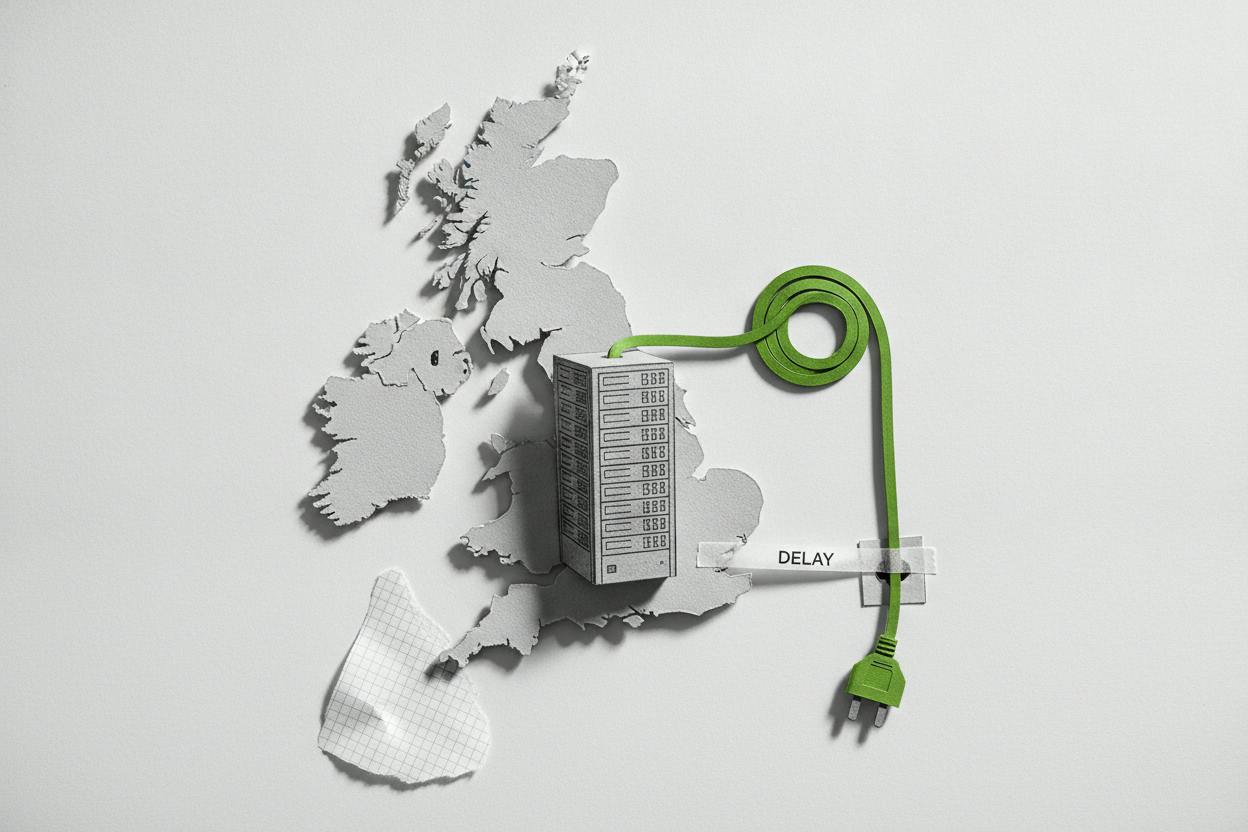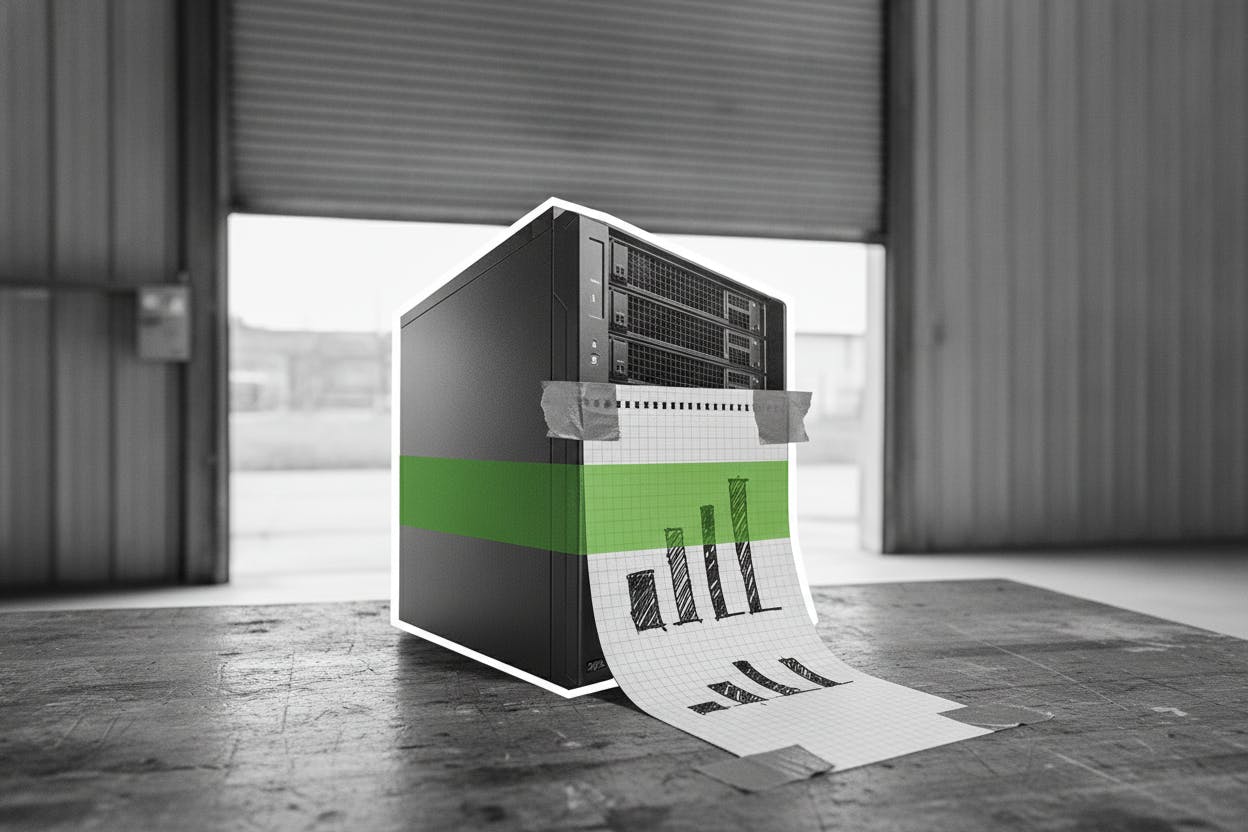
Hewlett Packard Enterprise (HPE) is facing a familiar challenge in the AI boom: customers want its servers, but the company can't produce them fast enough. Bank of America Securities believes this supply-demand gap will still result in a solid fiscal third-quarter report when HPE announces results on September 2nd.
What's happening at HPE
Bank of America analysts expect HPE to report fiscal Q3 revenue of $12.3 billion and earnings per share of $0.95, slightly above Wall Street's consensus. The bank also anticipates a small upward revision to fiscal 2026 guidance, driven by the strength of AI systems demand.
The key driver is AI servers—high-powered machines designed to handle the massive computing loads required for training and running artificial intelligence models. These systems are in enormous demand as companies across industries race to deploy AI, but supply constraints are limiting how many HPE can ship.
This is what analysts call a "good problem": demand is strong, but parts shortages, manufacturing capacity limits, or both are holding back deliveries. For HPE, the bottleneck means revenue is deferred, not lost. The company books revenue and profit when systems actually ship, not when orders are placed. So a growing backlog can sit offstage for a while, only showing up in financial results once the hardware is delivered.
Why AI servers matter for HPE
HPE's traditional business—selling servers, storage, and networking gear to enterprises—has been steady but slow-growing. AI servers represent a faster-growing, higher-margin opportunity, and the company has been investing heavily to capture it.
Bank of America projects HPE's AI systems revenue will rise to $2 billion in the current fiscal year, up from $900 million previously. That's a more than doubling, and it underscores how central AI has become to HPE's growth story.
The supply constraints are not unique to HPE. Rivals like Dell Technologies are also struggling to keep up with AI server demand, as BofA sees Dell's AI server backlog still growing. The entire industry is grappling with component shortages, particularly for advanced chips and other critical parts.
What it means for investors
For everyday investors, the key takeaway is that HPE's revenue and profit may not fully reflect its true demand right now. The backlog is a sign of future revenue, but it also means current results could look weaker than the underlying business.
When HPE reports on September 2nd, investors will be watching not just the headline numbers, but also management's comments on supply chain improvements and whether the backlog is growing or shrinking. A growing backlog suggests demand is still outpacing supply, which could support future revenue. A shrinking backlog might mean the company is catching up, but could also signal demand is cooling.
Bank of America's expectation of a beat and a guidance lift suggests the bank believes the supply constraints are temporary and that HPE is well-positioned to convert its backlog into revenue over the coming quarters.
It's also worth noting that HPE's stock has been volatile as investors try to gauge how much of the AI boom will translate into sustainable profits. The company faces intense competition from Dell, Super Micro Computer, and others, and margins on AI servers can be thinner than on traditional enterprise gear.
The broader AI infrastructure picture
HPE's situation is part of a larger trend: the AI boom is driving massive spending on data center infrastructure, from servers to cooling systems. Companies like SLB's $3.4 billion deal to buy cooling maker Kelvion highlight how investors are betting on the physical backbone of AI.
Meanwhile, memory chip prices are surging, as seen in CXMT's return to profit on DRAM price surges, which could affect the cost of AI servers. Higher component costs could squeeze margins if HPE can't pass them on to customers.
For investors, the AI server market is a double-edged sword: it offers growth, but also brings supply chain risks and competitive pressures. HPE's upcoming earnings will provide a window into how well the company is navigating these challenges.
Looking ahead
The September 2nd report will be a key test for HPE. If the company beats expectations and raises guidance, it could reassure investors that the AI opportunity is real and that HPE can execute. If it misses or offers cautious commentary, it could raise concerns about the durability of AI demand.
Either way, the story is clear: AI server demand is outpacing supply, and HPE is in the middle of it. For now, the "good problem" of too much demand is better than the alternative, but investors will want to see that problem turn into shipped revenue and profits.