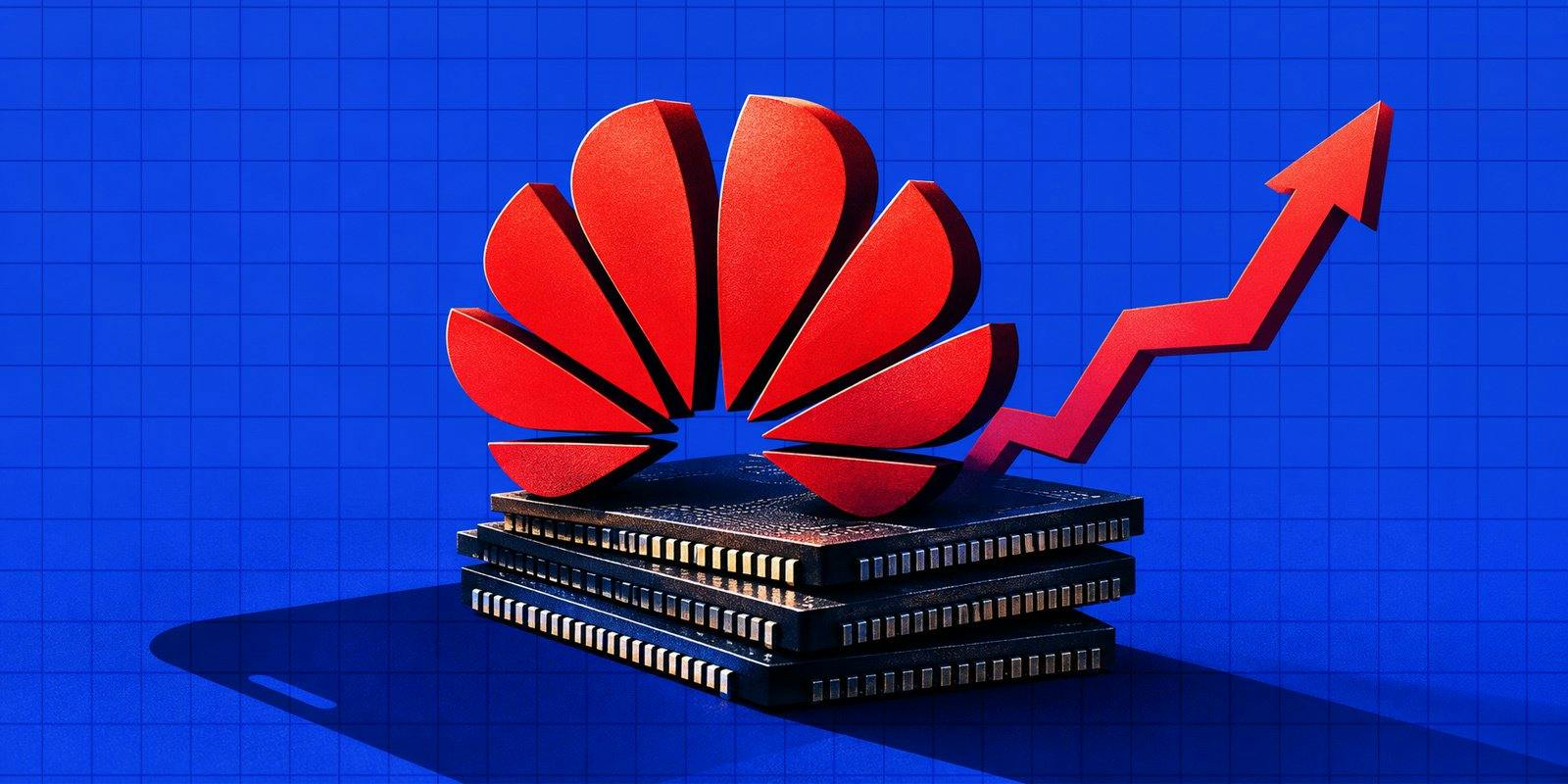
Huawei, the Chinese tech giant, is raising prices on its smartphones as a global shortage of memory chips—the components that let devices store and process data—drives up manufacturing costs. The company says the cost of making a phone has risen by $200, a significant jump that it can no longer absorb.
The root cause: AI data centers are consuming memory chips at an unprecedented rate, leaving fewer for consumer electronics makers. This has sent prices soaring for the type of memory used in phones, tablets, and other gadgets.
Why Huawei held off on price hikes
Until now, Huawei had managed to keep its phone prices steady, a strategy aimed at winning back customers after years of US sanctions that cut off its access to advanced chips and Google services. Meanwhile, rivals like Xiaomi and Oppo had already raised their prices to cope with higher component costs.
That strategy appeared to pay off. Huawei's smartphone shipments are expected to grow about 8% this year, while some domestic competitors could see declines as steep as 34%. But even Huawei couldn't keep eating the chip cost forever.
Now, the company is passing some of that burden to consumers, a move that could test the loyalty of price-sensitive buyers.
The premium phone advantage
Interestingly, Huawei believes the memory crunch could actually favor its premium phone lineup. Here's why: memory chips make up a larger share of the cost of a budget phone than a high-end one. When memory prices surge, budget brands face a tough choice—either swallow the cost and squeeze their margins, or raise prices and risk losing customers who are highly price-sensitive.
Premium brands, on the other hand, have more flexibility. Their customers are less likely to balk at a price increase, and the higher margins give them room to wait out the shortage. This dynamic could widen the gap between premium and budget players in the smartphone market.
Beyond phones: Huawei's AI chip ambitions
Huawei's challenges aren't limited to phones. The company also makes AI processors that offer Chinese firms an alternative to Nvidia's top-end chips, which are tightly restricted by US export controls. Huawei says it already holds a larger share of China's AI chip market than Nvidia, but it can't yet meet domestic demand.
Like its phones, Huawei's next-generation AI chip relies on specialist high-speed memory. Domestic memory makers are still ramping up production, while American memory-maker Micron can't sell directly to Chinese companies without running afoul of US export restrictions. South Korea's SK Hynix and Samsung face similar constraints because they use American semiconductor equipment to produce their memory.
This leaves Huawei and other Chinese tech firms dependent on a limited pool of memory suppliers, adding another layer of uncertainty to their supply chains.
What it means for investors
For investors, the memory shortage is a double-edged sword. On one hand, it's a boon for memory chip makers, who are seeing strong demand and rising prices. On the other, it's a headwind for consumer electronics companies, which face higher costs and potential margin pressure.
The situation also highlights the strategic importance of memory chips in the AI era. As AI chip startups and established players alike scramble for supply, the companies that control memory production hold significant leverage.
For everyday investors, the key takeaway is that the AI boom is having ripple effects far beyond data centers. It's reshaping the economics of consumer electronics and could determine which companies thrive in the coming years. As always, it's worth watching how these dynamics play out—and how companies like Huawei navigate the crunch.