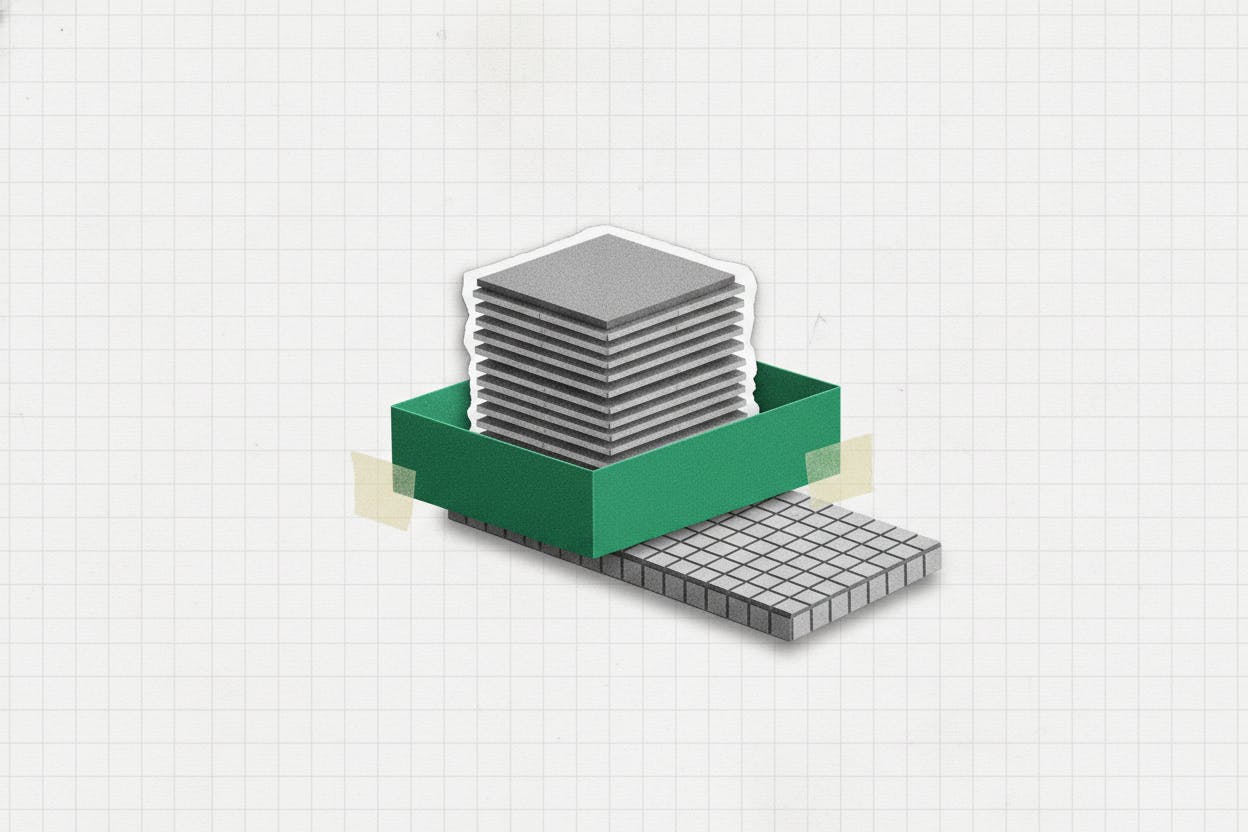
IBM has unveiled a new chip design that pushes the boundaries of semiconductor miniaturization, and analysts at Wedbush Securities believe it could give the company a stronger foothold in the fiercely competitive AI hardware market. The chip, built around a sub-1 nanometer process using a three-dimensional “nanostack” architecture, represents a leap beyond IBM’s current 2nm technology.
In a research note, Wedbush highlighted that the vertical-stacking approach could pack roughly 100 billion transistors into an area the size of a fingernail. That density alone is impressive, but the real headline for investors is what it means for performance and power consumption. According to Wedbush, the design could deliver up to 50% more performance or 70% better energy efficiency compared to IBM’s existing 2nm chips.
Why Efficiency Matters for AI
For everyday investors, the term “sub-1 nanometer” might sound like a technical milestone, but the practical implications are more concrete. Modern AI workloads—think training large language models or running real-time inference—are often limited not by how many servers a data center can physically hold, but by how much electricity and cooling those servers require. A chip that can do more work per watt directly addresses that bottleneck.
Wedbush’s 70% efficiency claim is essentially a data-center cost story. If IBM can deliver more performance per unit of electricity, cloud providers and large enterprises could get more “AI compute” out of the same power budget. That translates into lower total cost of ownership, including reduced electricity bills, less cooling equipment, and the ability to scale within existing grid capacity. In a world where data-center power constraints are becoming a real headache for operators, a credible efficiency step can make IBM’s AI hardware narrative easier for investors to translate into potential revenue and margins—even before the product ships.
The design also promises higher memory density, which addresses another pain point for AI systems: data movement. Even fast processors can stall while waiting for data to be fetched from memory. By integrating more memory closer to the compute units, IBM’s chip could reduce those delays, making AI workloads run more smoothly.
Beyond the Chip: IBM’s Broader Push
Separately, IBM is pitching a standalone quantum-focused manufacturing unit called Anderon to produce quantum wafers. This move underscores the company’s broader strategy to own more of its next-generation compute stack, from classical chips to quantum processors. While quantum computing remains a longer-term play, the combination of advanced classical chips and quantum manufacturing could position IBM as a more integrated player in the future of computing.
Wedbush maintained an outperform rating on IBM stock with a $350 price target, but the firm also cautioned that the next debate for investors will be about execution. Key questions include: Who will manufacture the chips? What is the timeline for production? And will customers actually adopt the design? These are the same hurdles that have tripped up other chipmakers in the past, and IBM will need to demonstrate that it can move from concept to commercial reality.
What It Means for Investors
For those watching the AI hardware space, IBM’s announcement adds a new dimension to a market currently dominated by companies like Nvidia and AMD. While those players have focused on high-performance GPUs and accelerators, IBM is betting that efficiency and integration will be the differentiators. If the company can execute, its chips could find a home in data centers where power costs are a primary concern.
Wedbush’s analysis suggests that the efficiency gains could be a game-changer for data-center economics, but investors should keep an eye on the broader context. The semiconductor industry is capital-intensive, and bringing a new chip architecture to market takes years. IBM’s track record in commercializing its research is mixed, but the company’s deep patent portfolio and partnerships with manufacturers like Samsung give it some credibility.
For now, the sub-1nm chip is a concept, not a product. But in a market where every percentage point of efficiency can translate into millions of dollars in operating costs, the direction is clear. Investors will be watching for manufacturing partners, customer announcements, and any signs that IBM can turn this technical achievement into a revenue stream.