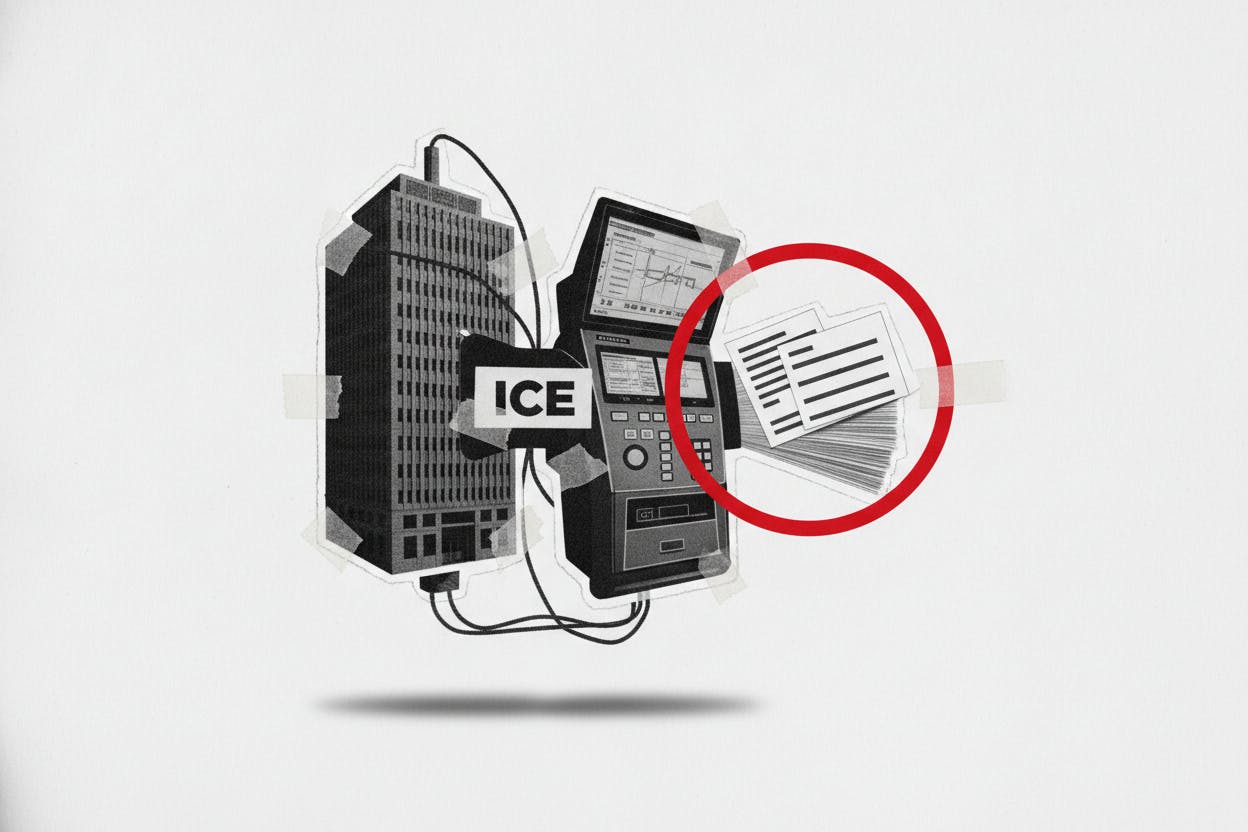
Intercontinental Exchange (ICE), the global exchange operator best known for running the New York Stock Exchange, has agreed to buy MarketAxess, an electronic bond-trading platform, for $5.7 billion in cash. The deal values MarketAxess at $167 per share, a 33% premium over its closing price before the announcement.
The acquisition is a bet that ICE can stitch together the messy, multi-step process of trading bonds into a single, seamless platform. For everyday investors, the deal signals a broader push by exchanges to modernize the $46 trillion U.S. bond market, which still relies heavily on phone calls and fragmented software.
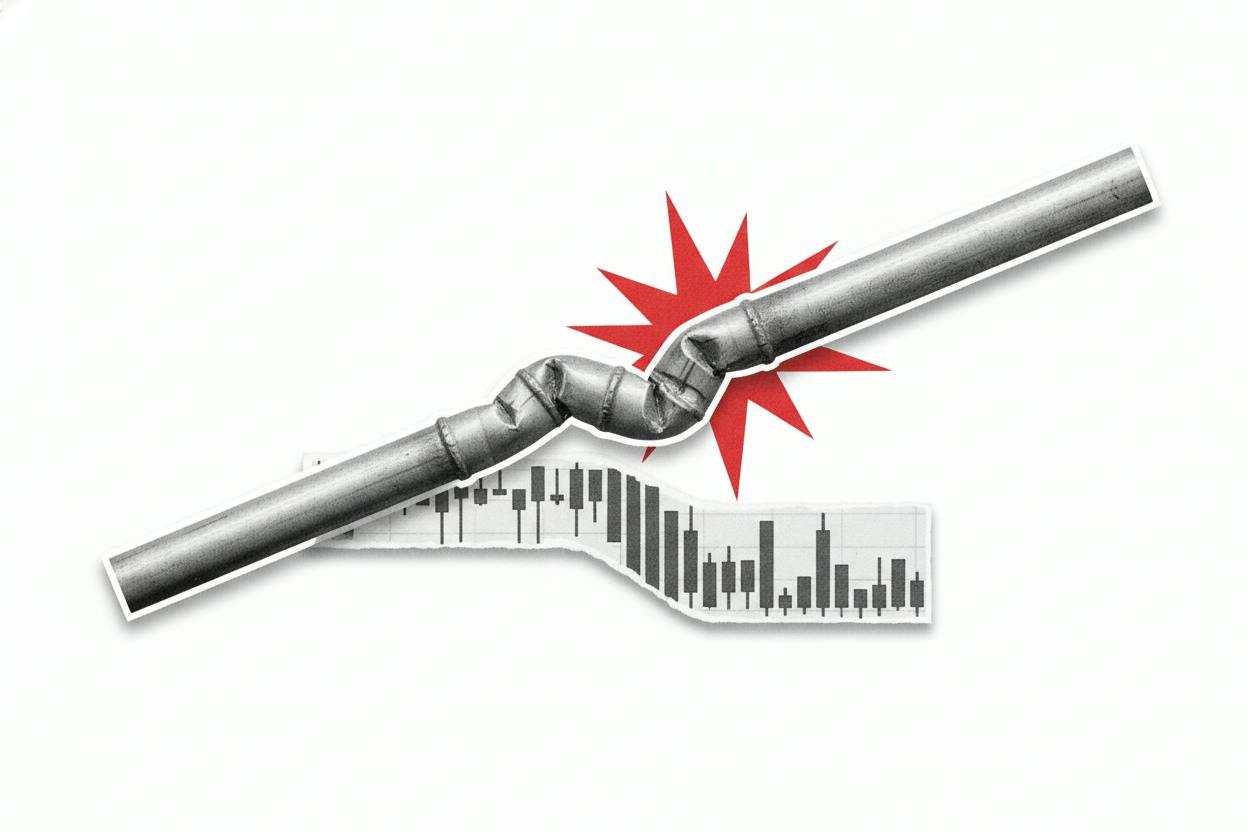
Why bond trading is still a patchwork
Unlike stocks, which trade on centralized exchanges with transparent prices, bonds are mostly traded over the counter between large institutions like pension funds, asset managers, and banks. A trader looking to buy or sell a corporate bond typically uses one tool to estimate a fair price, another to find a buyer or seller, and a third to record the trade for regulators.
ICE wants to combine those steps into one platform. The company already provides fixed-income pricing data and analytics through its ICE Data Services unit. Adding MarketAxess would give it a direct execution channel—the actual marketplace where trades happen—and a suite of compliance tools to handle post-trade reporting.
“Bond trading is still a patchwork: one set of tools helps traders estimate a fair price, another helps them place the trade, and a third set helps them document it for regulators,” the company said in its announcement. ICE says combining those steps could make trading faster and cheaper for big institutions, while also generating more data that can be sold back as analytics.
What the deal means for investors
For shareholders of both companies, the deal is a bet on the growing digitization of fixed-income markets. MarketAxess shareholders get a 33% premium, while ICE investors are betting that the combined platform can capture more trading volume and data revenue over time.
The deal also fits a broader trend of exchange operators expanding beyond their core stock-trading businesses. ICE has been building out its fixed-income and data offerings for years, and this acquisition is its largest push yet. Rivals like CME Group and Bloomberg have also invested heavily in bond-trading technology.
For ordinary investors, the deal is unlikely to have an immediate impact on portfolios. But over time, a more efficient bond market could mean lower trading costs for mutual funds and ETFs that hold bonds, and potentially tighter bid-ask spreads for retail investors buying bond ETFs.
Investors should also watch how regulators respond. The SEC has been pushing for more transparency in bond markets, and a dominant platform could raise antitrust concerns. ICE will need to show that the combined entity doesn't stifle competition.
Broader dealmaking context
The acquisition comes amid a wave of consolidation across financial infrastructure. In recent months, dealmaking has heated up across sectors, as seen in Arcadis rejecting WSP's €5.2 billion bid. Exchanges and data providers are racing to build end-to-end platforms that lock in customers and generate recurring revenue from data subscriptions.
ICE's move also echoes strategies at other large financial firms. For example, Shell's trading desks turned market volatility into a $9.8 billion quarter, highlighting how integrated platforms can capture value from complex markets. Similarly, UBS CEO defended a $3 billion buyback while navigating regulatory changes, showing how large financial firms are using scale to manage costs and boost returns.
What to watch next
The deal is expected to close in the second half of 2025, pending regulatory approval and MarketAxess shareholder vote. Investors will be watching for any signs of pushback from antitrust authorities, as well as updates on how ICE plans to integrate the two businesses.
For now, the message from ICE is clear: the future of bond trading is digital, all-in-one, and data-rich. Whether that future delivers on its promise will depend on execution, competition, and the willingness of Wall Street to change old habits.