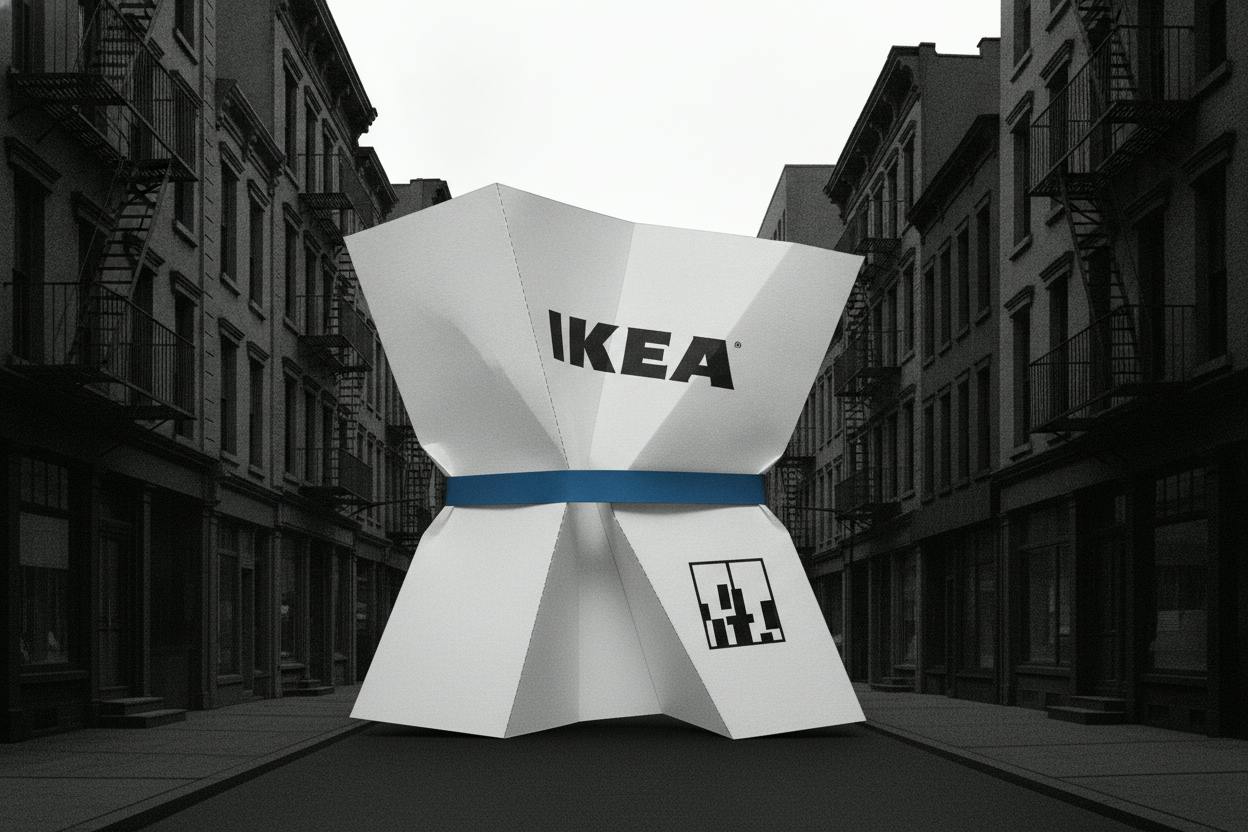
IKEA is doubling down on urban retail. The Swedish furniture giant plans to open its largest-ever Manhattan store in SoHo early next year, a move that signals a strategic shift under new CEO Juvencio Maeztu. The company is betting that smaller, city-center locations will lure back shoppers who have drifted away from its sprawling suburban warehouses.
The announcement comes as Ingka Group, IKEA's biggest retail operator, reported a third consecutive year of declining sales. In its latest financial year, sales slipped to €38.8 billion from €39.0 billion in the prior year. The drop reflects a broader trend: post-pandemic habits and higher gas prices have made customers less willing to drive to the brand's iconic "big blue box" stores on the outskirts of cities.
Why IKEA is changing its store strategy
For decades, IKEA's model was built on large, out-of-town warehouses where customers could spend hours browsing showrooms and loading flat-packed furniture into their cars. But that model is showing its age. In the latest financial year, in-store visits fell to 729 million from 739 million, while online visits climbed to 4.2 billion. The pandemic accelerated a shift to e-commerce, and the cost-of-living squeeze has made the trip to the suburbs less appealing.
Maeztu, who took the helm last year, has said the warehouse model remains the backbone of the business. But the strategy is becoming two-track: more urban locations, like the planned SoHo store and the recently opened Oxford Street store in London, which the company says has boosted sales, alongside a rethink of what to do with its suburban spaces.
One idea is to bring in other retailers. This year, sporting-goods chain Decathlon opened inside IKEA's Croydon store in the UK, a pilot that could become a template for other locations. By leasing underused space to outside brands, Ingka can generate steadier rental income and turn a single-purpose furniture run into something closer to a small mall, lifting foot traffic for everyone involved.
Price cuts and the profit puzzle
The shift comes as IKEA leans into price competition. The company recently announced another €1.2 billion of price cuts across Europe, aiming to appeal to households squeezed by inflation, rent, and mortgage costs. Price cuts typically trade profit margin for higher sales volumes, which raises the stakes for IKEA's giant stores to stay busy.
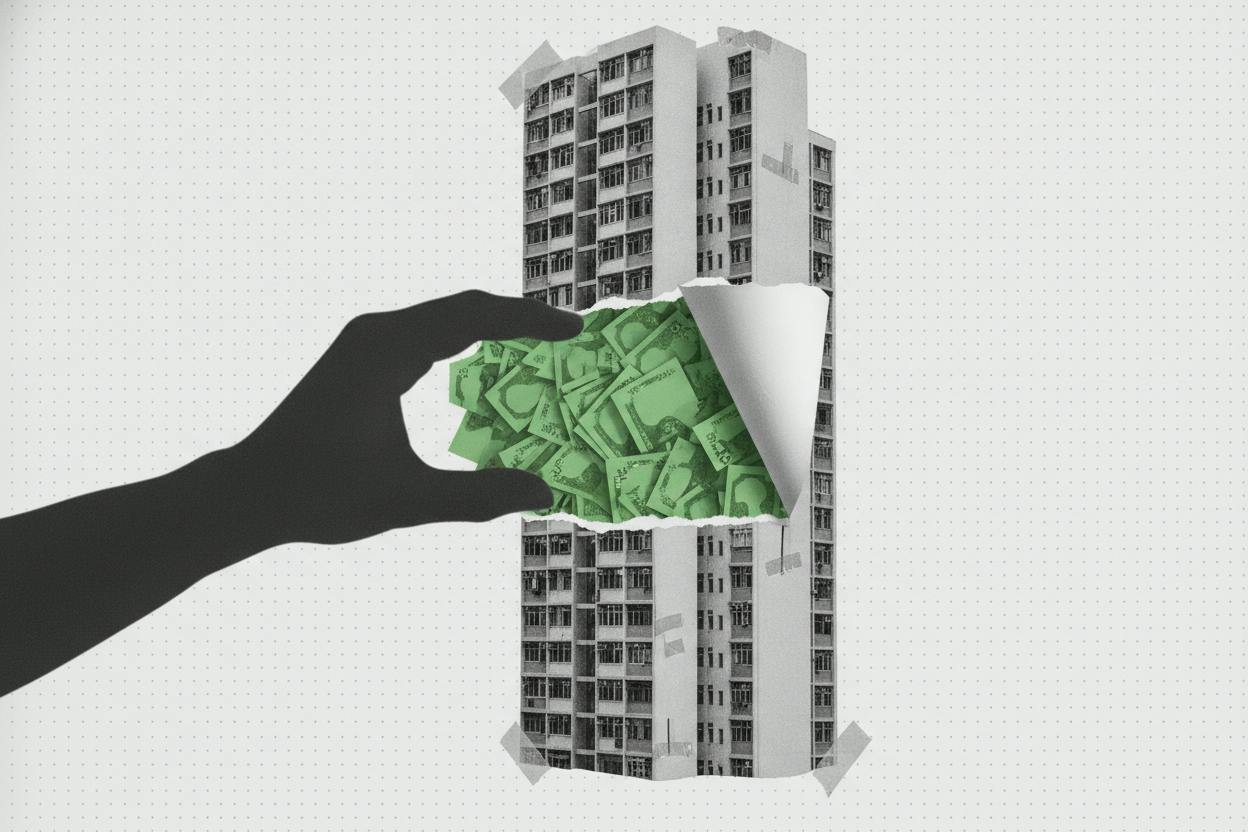
That's where the real-estate playbook comes in. Ingka already owns shopping centers, and last year's profit jump to €1.9 billion from €1.4 billion was helped by the sale of three shopping centers in China. That underlines how valuable its property portfolio can be alongside retail operations.
By leasing out space to other retailers, Ingka can stabilize profits even if furniture demand remains soft. It's a model that could help offset the margin pressure from price cuts, and it gives the company a way to make its suburban stores more relevant in an era of online shopping.
What it means for investors
For everyday investors, the key takeaway is that IKEA is adapting to a changed retail landscape. The move toward city-center stores is a recognition that convenience matters more than ever, and that the old model of driving to a distant warehouse is losing appeal. The SoHo store is a test of whether IKEA can replicate its suburban success in a dense urban environment, where space is limited and rents are high.
The strategy also highlights the importance of real estate as a revenue stream. Ingka's ability to monetize its properties—whether by selling them or leasing them to other brands—provides a buffer against weak furniture sales. That's a lesson that extends beyond IKEA: retailers with valuable real estate can use it to offset operational challenges.
Investors will be watching how the SoHo store performs and whether the Decathlon-style partnerships expand. If the urban format works, it could open up new markets for IKEA and help reverse the sales decline. If not, the company may need to rethink its approach to city-center retail.
For now, IKEA is betting that smaller, more convenient stores will bring shoppers back—and that the big blue boxes can be repurposed into something more than just furniture warehouses. The next few quarters will show whether that bet pays off.