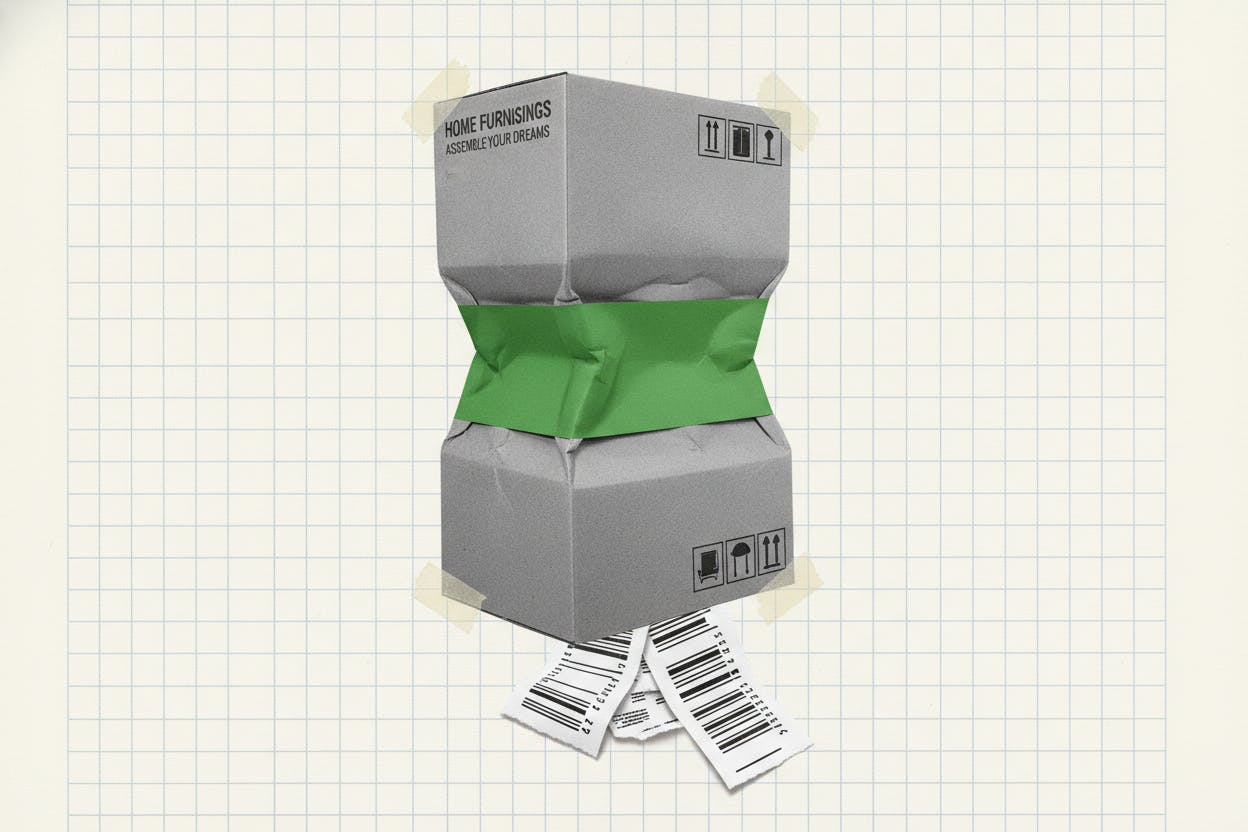
Ikea is making a big bet that cheaper prices will bring shoppers back. The Swedish furniture giant is investing €1.2 billion into price cuts across Europe after two consecutive years of falling revenue, as higher housing costs and a slowdown in home moves have cooled demand for furniture.
The push is led by Ingka Group, the largest Ikea retailer, which operates most of the brand's stores in Europe under a franchise agreement with Inter Ikea, the company that owns the brand and supplies its products. Management says the goal is to win back cost-conscious shoppers by lowering prices on everyday items, even as fewer people are moving into new homes and furnishing them from scratch.
Why Ikea is cutting prices now
Ikea's revenue has been sliding for two years, a trend that reflects broader pressures on household budgets. With inflation and higher interest rates squeezing disposable income, many consumers have pulled back on big-ticket purchases like furniture. At the same time, the housing market has cooled, meaning fewer people are buying sofas, beds, and bookshelves for new apartments.
By cutting prices, Ikea is trying to make itself more attractive to shoppers who are watching every euro. The company has long positioned itself as an affordable option, but in recent years it had raised prices to offset its own rising costs for materials, energy, and shipping. Now it is reversing course, betting that lower prices will boost sales volumes enough to make up for thinner margins.
The discounts are already visible in some markets. In Germany, for example, Ikea says it has reduced prices on more than 1,500 products. Similar reductions are being rolled out across other European countries, with the €1.2 billion investment funding the markdowns.
What this means for investors
For investors, Ikea's price-cut strategy is a classic test of whether volume can compensate for lower prices. If the cuts succeed, they could revive revenue growth and protect the company's market share against rivals like Jysk, Maisons du Monde, and online furniture sellers. If they fail, the company could be stuck with lower margins and no sales boost to show for it.
The move also signals something about the broader consumer environment. A major retailer like Ikea doesn't invest billions in price cuts unless it believes shoppers are highly price-sensitive right now. That is consistent with other signs of consumer caution across Europe, where house prices have been sluggish and spending on discretionary goods remains under pressure.
Ikea's strategy is also a reminder that in a slow market, companies often have to choose between protecting profits and protecting market share. By prioritizing affordability, Ikea is clearly choosing the latter. That could be a smart long-term play if it builds customer loyalty, but it also means near-term profitability may take a hit.
For everyday investors, the key takeaway is to watch how Ikea's revenue and margins evolve over the next few quarters. If the price cuts lead to stronger sales, it could be a positive sign for the broader retail sector. If not, it might indicate that even aggressive discounting isn't enough to revive demand in a weak economy.
Ikea is privately held, so its financial results aren't publicly traded, but its performance is often seen as a bellwether for the European consumer. The company's struggles and its response to them offer clues about the health of household spending, which is a critical driver of the region's economy.
In the meantime, the price cuts are a clear win for shoppers, who can expect to see lower price tags on many Ikea items across Europe. Whether that translates into a turnaround for the company remains to be seen, but the bet is a bold one.