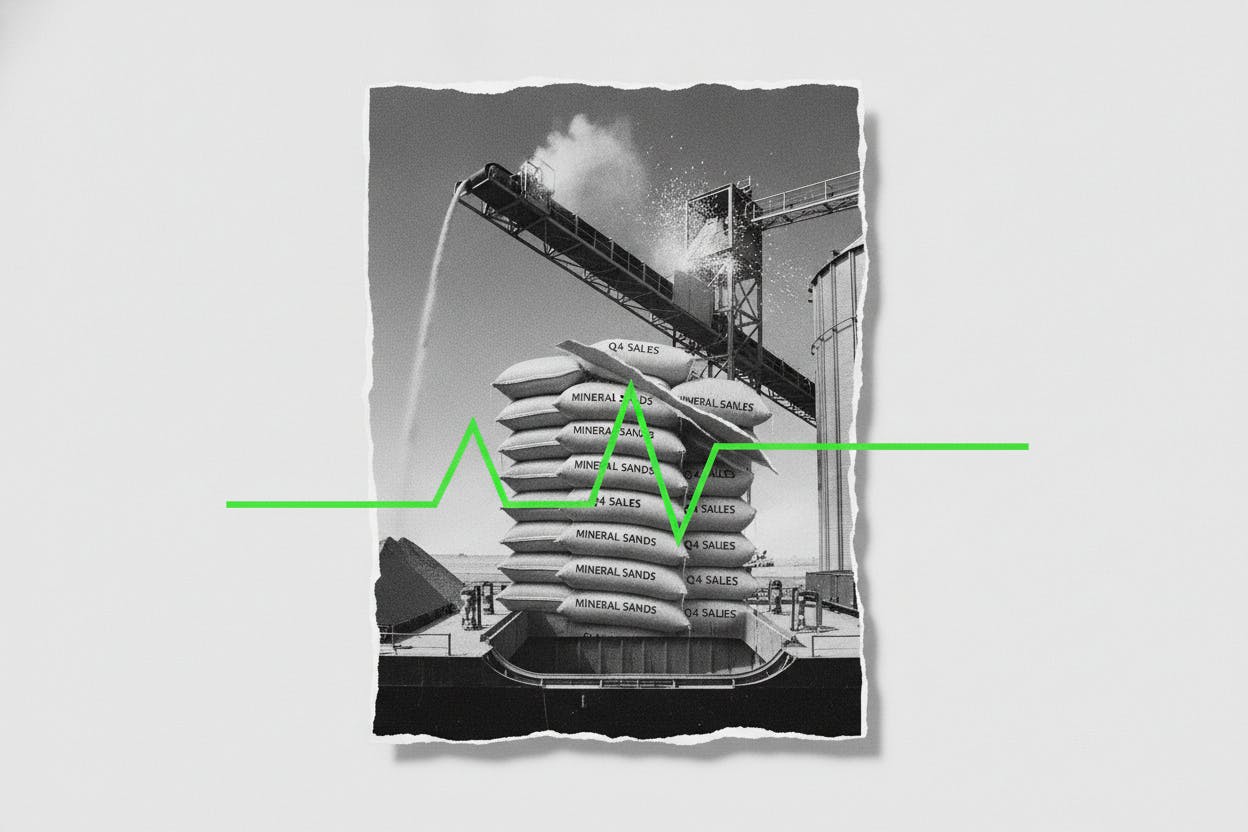
Iluka Resources, an Australian miner of mineral sands used in everything from ceramics to electronics, reported a sharp disconnect between sales and production in the second quarter. The company sold 157,000 tonnes of mineral sands during the three months to June, while producing only 58,000 tonnes — a gap that suggests it is drawing heavily on stockpiles built up in earlier periods.
The figures underscore the volatile nature of mineral sands markets, where demand can shift quickly while mine output takes time to adjust. For everyday investors, the key takeaway is that Iluka is selling more than it is making, which can be a double-edged sword: it boosts near-term cash flow but raises questions about how long the company can sustain that pace without ramping up production.
What drove the sales jump?
Iluka did not specify exactly which products or regions drove the surge, but mineral sands — including zircon, rutile and synthetic rutile — are used in a wide range of industrial applications. Zircon is a key ingredient in ceramics and refractories, while titanium dioxide feedstocks like rutile go into paints, plastics and sunscreen. Strong demand from construction and manufacturing sectors, particularly in Asia, has supported prices in recent quarters.
The company's guidance for first-half underlying mineral sands EBITDA of about A$40 million provides a clearer financial picture. That figure, which strips out one-off items, gives investors a sense of the cash-generating power of Iluka's core operations. For context, the company's ability to sell from inventory means it can convert stockpiles into cash without incurring the full cost of new mining — a temporary boost to margins.
Balranald output warning
Iluka also warned that volumes from its Balranald project in New South Wales will be lighter than it assumed back in February. Balranald is a key growth asset for the company, a large-scale mineral sands deposit that is still in development. Lower-than-expected output there could delay Iluka's plans to increase production and reduce its reliance on depleting reserves at older mines.
The warning adds a note of caution to an otherwise strong sales performance. Investors will be watching for updates on Balranald's ramp-up timeline and whether the company can close the gap between production and sales in the second half of the year.
What it means for investors
For everyday investors, Iluka's quarterly numbers highlight the importance of looking beyond headline sales figures. A company that sells more than it produces is effectively running down its inventory, which is not sustainable indefinitely. If production does not catch up, sales will eventually have to slow.
On the positive side, the strong sales suggest that demand for mineral sands remains healthy, which bodes well for the broader sector. Iluka's ability to guide for A$40 million in first-half EBITDA also gives investors a clear benchmark to measure performance against.
However, the Balranald warning is a reminder that mining projects often face delays and cost overruns. Investors should monitor whether Iluka can bring new production online in time to meet demand. The company's stock, like many miners, is sensitive to commodity prices and operational updates, so any further news on Balranald or production guidance could move the share price.
In the broader market context, Iluka's results come amid a mixed picture for Australian miners. While some have benefited from strong demand for battery metals and gold, others have struggled with rising costs and supply chain issues. For a look at how other miners are faring, see our coverage of Metals X's rising tin output and Bellevue Gold's output targets.
Ultimately, Iluka's second-quarter numbers tell a story of strong demand but constrained supply. For investors, the key question is whether the company can turn that dynamic into sustained profit growth — or whether the inventory drawdown is a sign of things to come.