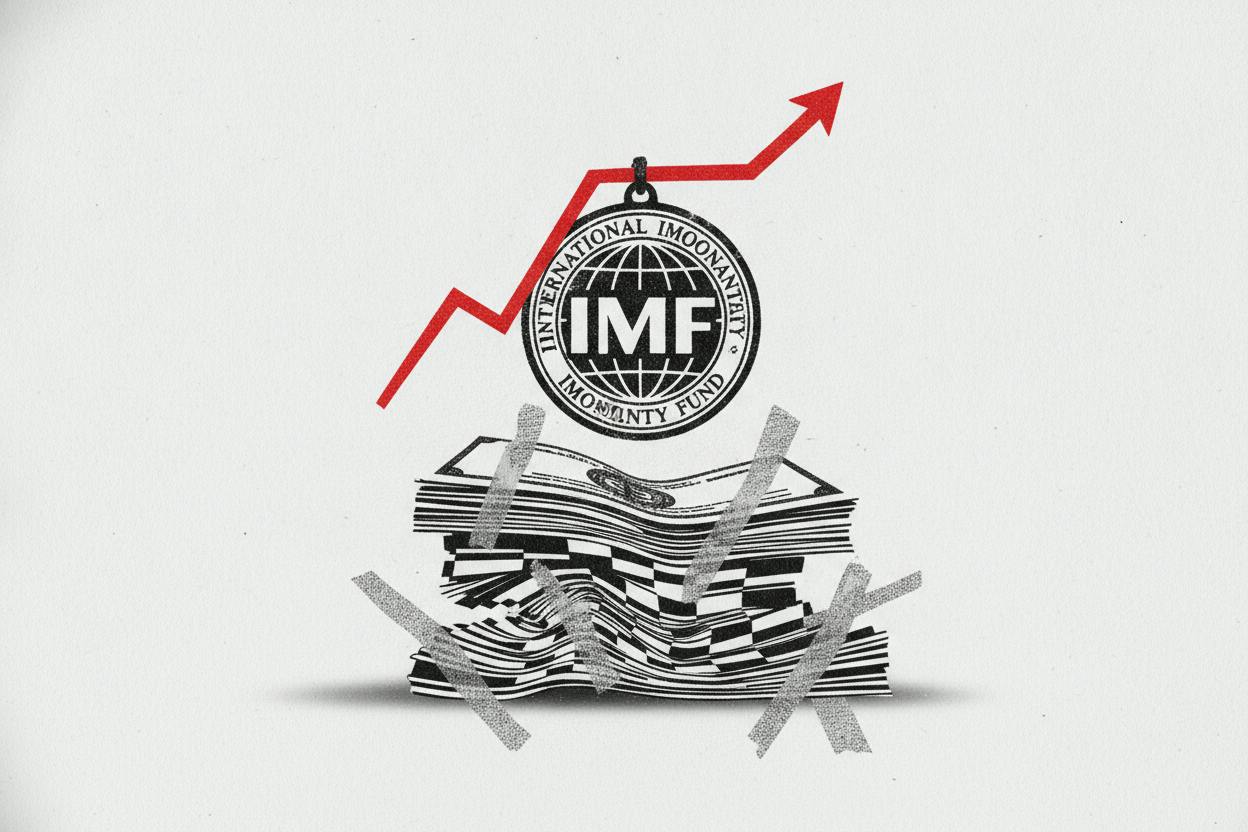
The International Monetary Fund (IMF) has nudged up its global growth forecast, but it's also sounding a warning: rising government bond yields are back on its watchlist as the biggest emerging threat to financial stability. For everyday investors, that means the improving economic picture comes with a catch—the cost of money is still climbing, and that could ripple through markets.
What the IMF said
The IMF, a global crisis-fighting lender, now expects the world economy to grow 3.1% this year and 3.4% in 2027. That's a modest upgrade from earlier projections, reflecting resilience in some major economies. But in its latest assessment, the fund stressed that higher yields—the interest governments pay to borrow in bond markets—are quietly tightening financial conditions, even without central banks raising rates again.
Here's the chain reaction the IMF is worried about: when old debt matures, governments and companies must refinance at today's higher rates. That raises interest costs fastest for the most indebted borrowers and for anyone reliant on short-term funding. As those costs climb, investors often demand extra compensation for holding corporate debt, which shows up as wider “credit spreads”—the gap between corporate and safer government bond yields.
That's why the IMF is urging central banks to keep policy restrictive until inflation is clearly headed back to target. The growth outlook can improve while borrowing costs still bite, and the stress tends to surface first in credit markets before it hits the real economy.
Why bond yields matter to your money
Bond yields are more than just a number for bond traders. They act as a benchmark for the cost of borrowing across the economy. When yields rise, mortgages, business loans, and even credit card rates can become more expensive. For investors, higher yields also reset the “discount rate” used to value most assets—from stocks to real estate—which can push prices down even when the underlying economy is growing.
In recent weeks, Treasury yields have slipped as traders awaited fresh inflation data, but the longer-term trend has been upward. The IMF's warning suggests that even if central banks pause rate hikes, the pressure from higher yields could persist.
What it means for investors
The IMF's 3.1% growth upgrade comes with a rising-yields tripwire. Higher yields don't just reprice government bonds; they reset the discount rate investors use to value most assets and raise the funding costs companies face. If refinancing gets tougher, credit spreads can widen and rate-sensitive assets like equities can struggle even in a “better growth” story. In other words, stronger forecasts don't automatically mean easier markets when the price of money is still moving up.
For investors, this is a reminder to watch credit markets closely. When corporate borrowing costs rise, it can signal stress that eventually hits the broader economy. Recent tech selloffs have driven some investors into safer bonds, but the IMF's warning suggests that the overall trend of higher yields could continue.
The IMF's outlook also ties into its broader message: central banks should stay the course on inflation, even if growth improves. That means interest rates may stay higher for longer, which could keep pressure on borrowers and on asset valuations.
The bigger picture
This isn't the first time the IMF has flagged bond yields as a risk. In previous years, rising yields have often preceded market turbulence. The fund's latest warning is a signal that the global economy is in a delicate balance: growth is holding up, but the cost of that growth—in terms of debt servicing—is rising.
For those with savings in bonds, higher yields can be a positive, as they mean better returns on new purchases. But for borrowers and for equity investors, the picture is more complicated. The IMF's advice to central banks to keep policy restrictive suggests that the era of cheap money is firmly behind us.
As always, the IMF's forecasts are not set in stone. The fund has a history of revising its numbers as new data comes in. But its focus on bond yields is a clear warning that the financial system's biggest vulnerability may not be a sudden shock, but the slow grind of higher borrowing costs.
For investors, the takeaway is to stay informed and consider how rising yields might affect their portfolios. Diversification and a focus on quality can help weather periods of market stress. And while the IMF's growth upgrade is welcome, the rising-yields tripwire means the path ahead may not be as smooth as the headline numbers suggest.