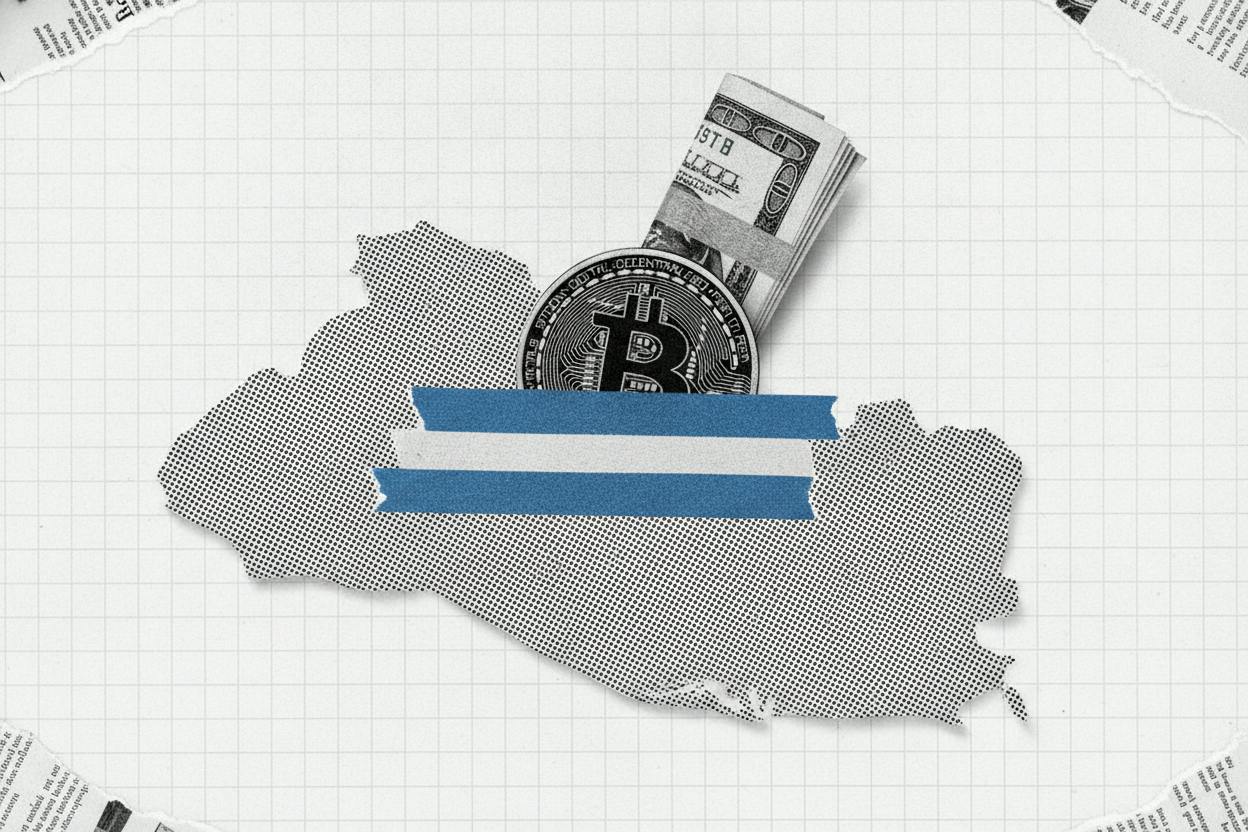
The International Monetary Fund has unlocked about $138 million for El Salvador, signing off on the second and third reviews of the country's loan program. The money comes with a familiar condition attached: the government should not add to its bitcoin holdings beyond coins it can document as donations.
The fund described El Salvador's economy as performing better than expected, pointing to improved security and stronger investor confidence under President Nayib Bukele. But bitcoin remains the program's most sensitive thread, and the IMF's decision to grant waivers after the country missed crypto-related targets shows how carefully both sides are managing that tension.
What the IMF actually agreed to
The IMF is a global crisis-lending body that steps in when countries cannot borrow affordably on their own. Its programs typically come with a scorecard of conditions — fiscal targets, reserve levels, governance reforms — and each review releases a tranche of money only if the borrower is broadly on track.
In this case, El Salvador missed some of the crypto-specific criteria written into the program. Rather than halt the payout, the IMF granted waivers, effectively acknowledging the miss while keeping the broader program alive. It then restated its core demand: "no further bitcoin accumulation is envisaged beyond the documented donations."
The fund also wants clearer reporting of all public-sector crypto holdings and a reduced state role in running crypto infrastructure. It pointed to plans to hand majority control of the Chivo e-wallet to a private operator and to keep tightening rules around digital-asset activity.
In plain English, the IMF is trying to build a firewall between volatile crypto bets and the public balance sheet, so the rest of the program can focus on more conventional pressure points: deficits, foreign-currency buffers and governance reforms.
Why bitcoin keeps coming back to the table
El Salvador made global headlines in 2021 when it became the first country to adopt bitcoin as legal tender and began buying the asset for its reserves. That move put it on a collision course with the IMF, which has consistently argued that a country's finances should not depend on an asset whose price can swing violently from one month to the next.
The compromise reflected in this review is a familiar one in sovereign lending: the government keeps the bitcoin it already holds, and can accept donated coins, but it stops actively accumulating. That preserves the political symbolism of the original bet while capping the financial tail risk.
Chivo, the state-run wallet launched alongside the legal-tender law, has been another sticking point. Handing majority control to a private operator would shift both the cost and the operational risk off the government's books — and give the IMF a cleaner line of sight into what the state actually owns and owes.
What it means for investors
The headline number — roughly $138 million — is small in global markets terms. What matters more is the "bitcoin firewall" the IMF is trying to construct. By limiting holdings to documented donations and shrinking the state's role in crypto infrastructure, the fund is aiming to make El Salvador's crypto exposure easier to measure and harder to expand quietly.
That distinction matters for anyone lending money to the country. Opaque or open-ended liabilities tend to raise fears of a sudden financing squeeze, and investors demand extra yield to compensate for that uncertainty. If the cap and the disclosure requirements hold, bondholders are more likely to price El Salvador on the usual IMF scorecard — fiscal policy, foreign-currency liquidity and institutional reforms — rather than on whether a volatile asset could trigger the next funding shock.
For everyday investors, the takeaway is less about buying or selling anything specific and more about how sovereign risk gets priced. Countries with clear, auditable balance sheets generally borrow more cheaply than those with unpredictable ones. A tighter leash on crypto accumulation is, in effect, an attempt to move El Salvador from the second category toward the first.
It also illustrates a broader theme: crypto has moved from the margins of finance into the fine print of official lending agreements. Governments that experiment with digital assets are increasingly finding that their creditors want guardrails, not just enthusiasm.
What to watch next
- Compliance on the cap. Whether El Salvador's publicly reported bitcoin holdings stay flat, or whether new purchases appear despite the condition.
- The Chivo handover. Progress on transferring majority control of the e-wallet to a private operator, and what that means for state liabilities.
- Disclosure quality. Whether reporting on public-sector crypto holdings becomes clearer, which would give bondholders a firmer basis for pricing risk.
- The next review. Future program checkpoints will show whether the waivers were a one-off accommodation or a sign of looser enforcement.
None of this resolves the underlying debate over whether bitcoin belongs on a national balance sheet. But it does show how the IMF intends to handle the question: not by forcing a sale, but by capping the upside and demanding transparency — a compromise that keeps the program funded while limiting how much crypto risk can quietly build up behind it.