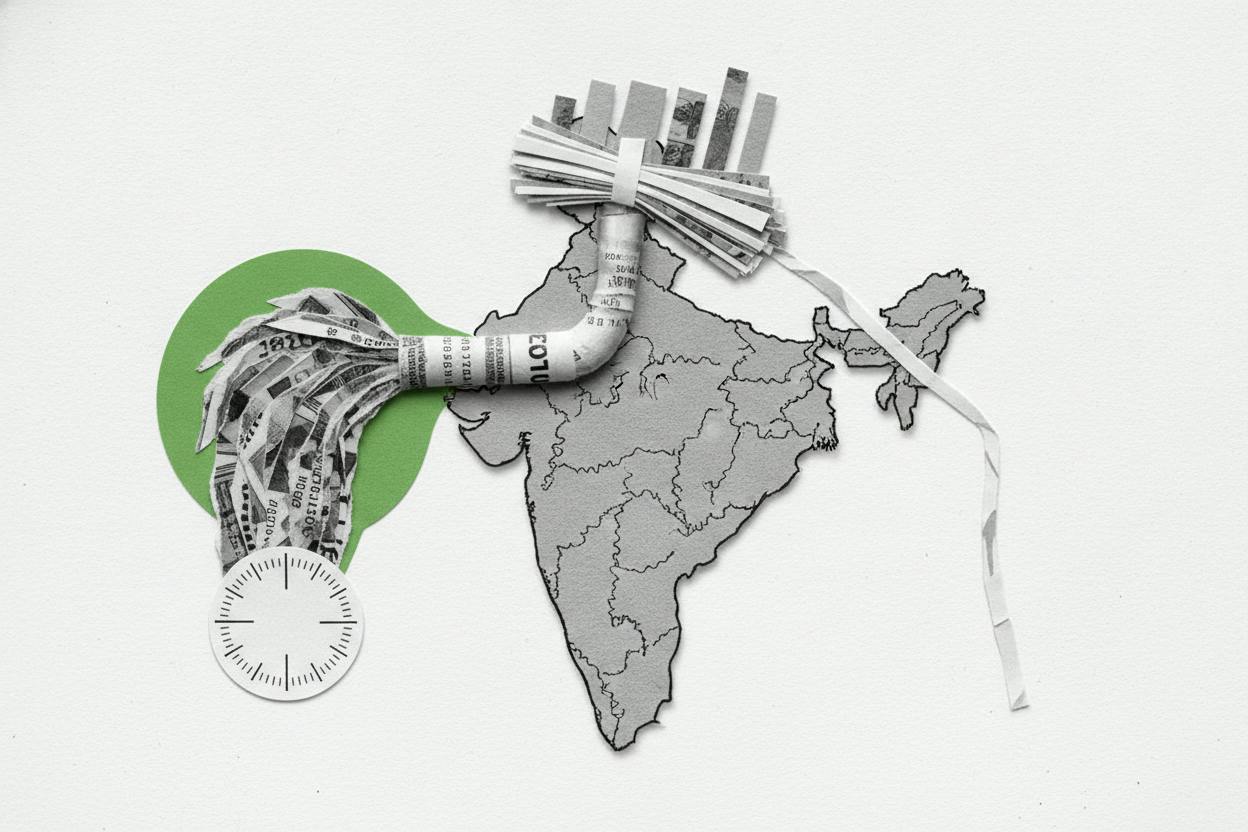
Indian markets are bracing for a busy session on November 6, when the central bank releases its weekly snapshot of bank lending, deposits, and foreign-exchange reserves, and a host of major companies report quarterly earnings. The data, due at 5:00 pm local time, will give investors a fresh look at the health of the country's financial system, while results from names like Siemens, Hindalco, and Blue Dart will test the strength of corporate India.
What the data will show
The weekly release from the Reserve Bank of India (RBI) is a routine but closely watched update. It tracks two key metrics: bank loan growth and deposit growth. In the week ended October 30, loans were expanding at an annual pace of 18.2%, while deposits grew by 16.7%. That gap—loans growing faster than deposits—is something investors pay attention to because deposits are banks' cheapest and most stable source of funding.
When loan growth outpaces deposit growth, banks often have to rely on costlier funding, like certificates of deposit or borrowing from the interbank market. That can squeeze profit margins, especially if the central bank keeps interest rates elevated. For everyday investors, this matters because banks are a heavyweight in Indian stock indices, and any strain on their funding costs can ripple through the broader market.
The same release also updates India's foreign-exchange reserves, which stood at $719.75 billion as of the last reading. Reserves act as a buffer against external shocks—like sudden capital outflows or a sharp depreciation of the rupee. A healthy reserve pile reassures investors that the country can weather global turbulence, which is especially relevant given the recent volatility in global markets.
A packed earnings calendar
Alongside the data, November 6 brings a wave of second-quarter results for fiscal year 2027. Siemens, the engineering and technology conglomerate, is set to report, along with Hindalco Industries, a major aluminium and copper producer, and Blue Dart Express, a leading logistics and courier company. These are just a few of the many firms releasing numbers that day.
For investors, earnings season is a chance to see how companies are navigating the current economic environment. Siemens, for example, is a bellwether for capital spending—its order books and margins can signal how confident businesses are in investing in new equipment and infrastructure. Hindalco's results, meanwhile, are tied to global commodity prices and demand for metals, which can be sensitive to the health of the global economy. Blue Dart's numbers offer a window into consumer demand and e-commerce activity, as shipping volumes tend to track retail spending.
These earnings come at a time when India's stock market has been cooling off. After a strong run, the rally has lost some steam, partly due to a slide in US tech stocks that has shifted the global mood. That backdrop makes this earnings season even more important—strong results could help reassure investors that corporate fundamentals remain solid, while disappointments could add to the selling pressure.
What it means for investors
For the average investor, the November 6 data and earnings provide a useful health check on two fronts: the financial system and the broader corporate sector. The loan-deposit gap is a subtle but important indicator. If the gap widens, it could signal that banks are stretching to fund credit demand, which might lead to tighter lending conditions or higher interest rates for borrowers. That could affect everything from home loans to business borrowing, and ultimately corporate profits.
The FX reserve figure is more of a comfort metric. A stable or growing reserve pile suggests India has enough firepower to defend its currency if needed, which can reduce the risk of sudden market shocks. Investors often view this as a sign of economic resilience.
On the earnings front, the results from Siemens, Hindalco, and Blue Dart will be parsed for clues about demand, pricing power, and cost pressures. For instance, if Siemens reports strong orders, it could be a positive signal for infrastructure and industrial activity. If Hindalco's margins hold up despite volatile metal prices, that would be a good sign for commodity-linked stocks. And if Blue Dart's volumes are robust, it might indicate healthy consumer spending.
None of this is a recommendation to buy or sell any specific stock. Rather, it's about understanding the forces that move markets. The data and earnings together will give investors a clearer picture of whether India's economic momentum is holding up, and whether the recent market pullback is a temporary blip or the start of a deeper correction.
As always, it's wise to keep an eye on how these numbers compare to expectations. Markets often react more to surprises than to the absolute figures. So, while the 18.2% loan growth and 16.7% deposit growth are useful baselines, the real question is whether they come in better or worse than what analysts had priced in.
For those following the broader regional picture, India's data comes amid a busy week for Asian markets, with Japan also reporting strong wage growth that could influence its central bank's policy. But for now, all eyes are on November 6—a day that promises both macroeconomic data and a flood of corporate earnings.