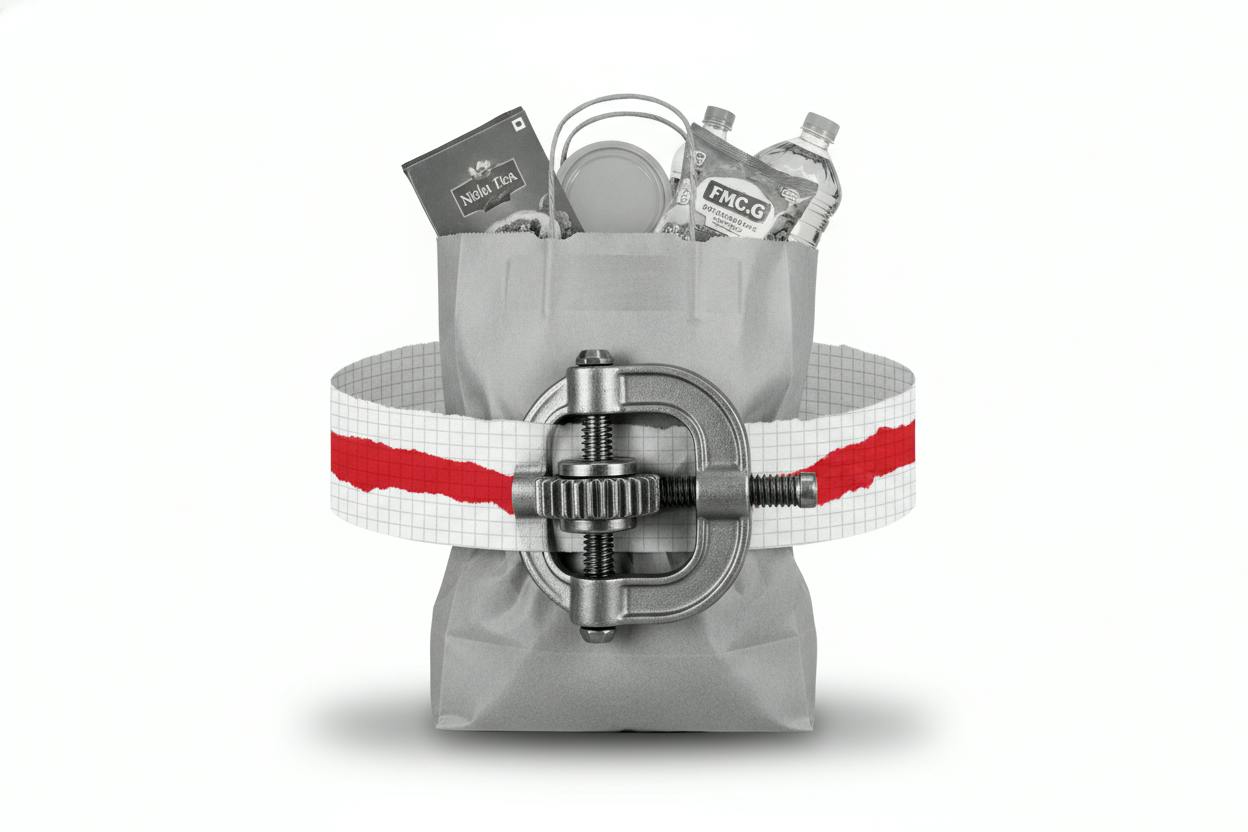
India's consumer goods heavyweights are heading into the September-quarter earnings season with a familiar story: sales are still growing, but the bottom line is under pressure. Analysts expect profits to feel the pinch as key raw materials get pricier faster than companies can raise prices on store shelves.
The fast-moving consumer goods (FMCG) sector—think packaged foods, soaps, shampoos, and household staples—is a bellwether for India's consumption story. These companies live and die by small changes in margins, because they spend heavily on advertising and distribution to defend market share. This quarter, the math is getting tougher.
What's driving the squeeze?
Input costs—everything from edible oils and palm oil to packaging materials and fuel—have been climbing. At the same time, companies are being cautious about passing those costs on to consumers. They're opting for what analysts call "selective" price hikes: raising prices on some products, but not across the board, for fear of losing budget-conscious shoppers.
That caution is understandable. India's consumers, particularly in rural areas, remain sensitive to price changes. A sharp increase could push them toward cheaper local brands or simply reduce consumption. So companies are trying to balance protecting margins with protecting volume growth.
Systematix, an Indian brokerage, expects about 13% revenue growth across major staples names—roughly 8% from higher volumes and 5%-6% from pricing. But it also sees a 45-basis-point year-on-year margin contraction. That may sound small, but for a sector where operating margins often hover in the high teens, a 45-basis-point dip is meaningful.
Why margins matter so much
FMCG companies are not high-growth tech firms. Their appeal lies in steady, predictable earnings and dividends. Investors buy them for stability, not excitement. So when margins shrink, it directly hits the earnings per share that support those dividends and valuations.
Moreover, these companies face a double whammy: rising costs on one side, and intense competition on the other. Local and regional players are nibbling at market share, and e-commerce platforms are giving consumers more choices. That makes it harder for giants like Hindustan Unilever, Nestlé India, and ITC to push through price increases without losing shelf space.
The broader backdrop isn't helping. India's stock market has been under pressure from foreign selling and high oil prices, as oil at $107 and foreign selling test India's stock rally. Higher crude prices feed into transportation and packaging costs, adding to the input-cost burden.
What to watch in the earnings reports
When the September-quarter results start rolling out, investors should focus on a few key things. First, how much of the revenue growth is coming from volume versus price. Volume growth is the healthier kind—it means consumers are still buying. Price-driven growth can be a sign that companies are passing on costs, which may hurt demand later.
Second, watch the commentary on raw material costs. Companies often give guidance on whether they expect costs to ease or keep rising. If they signal more pain ahead, that could weigh on the stocks.
Third, look at how companies are managing their advertising and promotion budgets. In a margin squeeze, some firms cut back on marketing to protect profits. But that can hurt brand equity over time, so it's a short-term fix with long-term consequences.
The earnings season is also a time when the broader market gets a read on India's consumption health. As India's October 14: WPI inflation data and a wave of earnings shows, the day is packed with data and results that will shape sentiment.
What it means for investors
For everyday investors, the takeaway is that consumer goods stocks may not deliver the same earnings growth this quarter as they did a year ago. That doesn't mean the companies are in trouble—just that the easy tailwinds have faded.
Historically, FMCG stocks trade at a premium because of their defensive nature. But if margins stay under pressure, that premium could shrink. Investors might see better opportunities in sectors where pricing power is stronger, or where costs are falling.
It's also worth noting that this isn't unique to India. Globally, consumer companies are grappling with similar dynamics. In the US, for example, discounts lift retail sales, Bumble buyout and Kroger cuts split consumer stocks, showing how retailers are using promotions to move goods, which also squeezes margins.
The key for investors is to stay diversified and not overreact to a single quarter. Consumer staples are long-term holds. A temporary margin dip is rarely a reason to sell, but it is a reason to check whether the company's strategy is working.
As the earnings season unfolds, keep an eye on how management teams talk about the future. If they sound confident about cost relief, the stocks could rebound quickly. If they warn of more pressure, expect the sector to lag.
In the meantime, the broader market will be watching too. With China's factory prices jumping 5% but consumer inflation staying muted, global input costs remain a wildcard. For India's consumer giants, the next few weeks will reveal just how much of that cost they can absorb—and how much they can pass on.