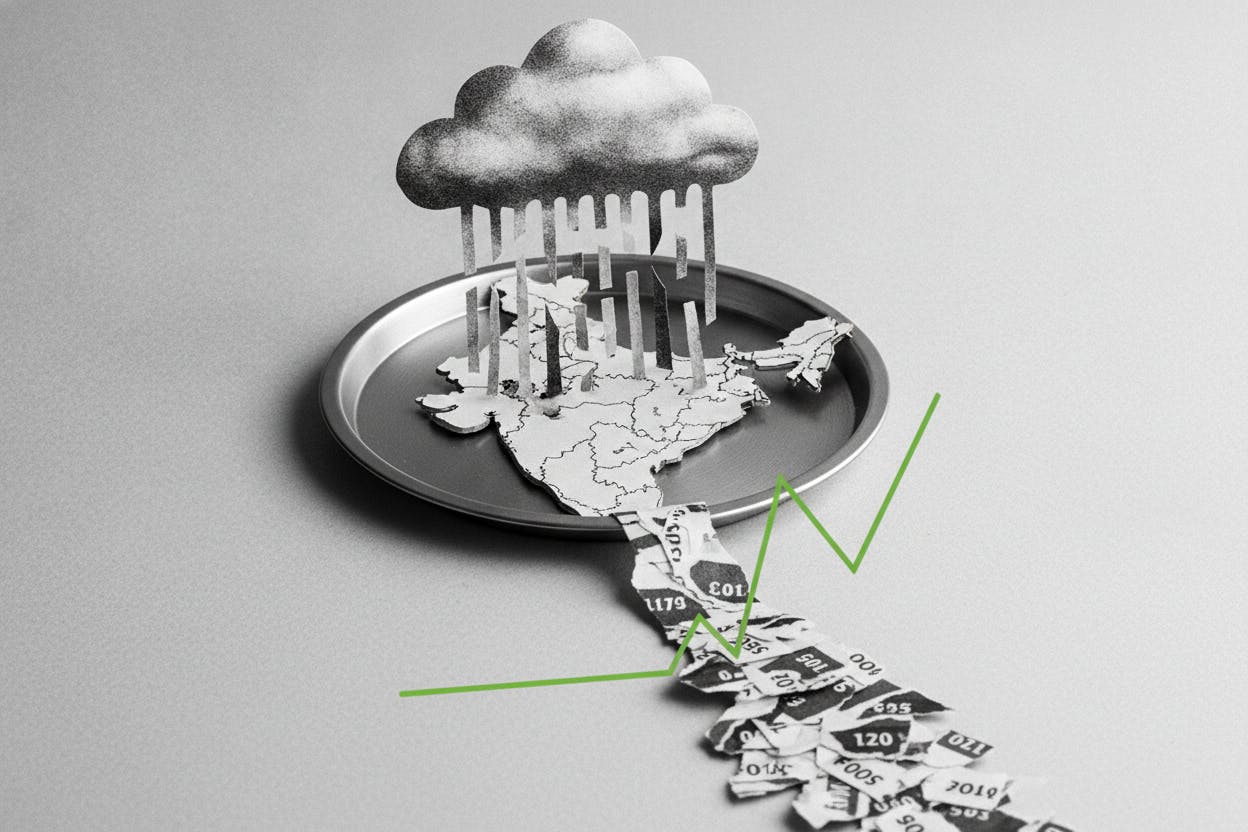
India's retail inflation rose to 4.45% in July from a year earlier, a reading that came in roughly in line with economists' expectations. The modest uptick offers some relief after months of volatile price swings, but analysts warn the calm could be short-lived as food prices—the biggest driver of Indian inflation—remain vulnerable to weather and supply shocks.
What's behind the numbers
The July figure was helped by softer comparisons with the same month last year, which made the annual increase look less dramatic. Still, the underlying picture is less comforting. A patchy monsoon has raised concerns about crop yields, and higher fertilizer costs are squeezing farmers. If those costs translate into more expensive vegetables, grains, and dairy, the headline inflation rate could climb in the coming months.
Economists at Oxford Economics, a research firm, note that companies are also starting to pass higher input costs on to shoppers. That's a key development because it suggests price pressures are no longer confined to food—they may be spreading into the broader economy.
Why food prices matter so much
Food accounts for nearly half of India's consumer price index, so swings in food prices have an outsized effect on the overall inflation rate. When food prices spike, they can quickly feed into expectations of future inflation. If households and businesses start to believe prices will keep rising, they may demand higher wages and set higher prices themselves, creating a self-fulfilling cycle.
That's why the Reserve Bank of India (RBI) watches food inflation so closely. The central bank's mandate is to keep inflation within a 2% to 6% target band, and it has been reluctant to cut interest rates until it sees clear evidence that price pressures are easing sustainably.
What this means for the RBI's rate path
The July inflation reading is unlikely to force the RBI's hand immediately. With inflation still within the target band, the central bank has room to hold rates steady. But the risks are building. If food prices accelerate in the coming months, the RBI could be forced to consider rate hikes later in the year—a move that would make borrowing more expensive for businesses and consumers.
For investors, the key question is whether the RBI will be able to keep inflation under control without choking off economic growth. India's economy has been expanding at a healthy clip, but higher interest rates could slow that momentum.
What investors should watch
For everyday investors, the main takeaway is that inflation remains a wildcard for Indian markets. A sustained rise in prices could hurt corporate profit margins, as companies struggle to pass on higher costs without losing customers. It could also weigh on consumer spending, which is a major driver of the Indian economy.
Investors should keep an eye on monsoon updates, food price data, and any signals from the RBI about its policy stance. The central bank's next moves will be crucial in determining whether Indian stocks and bonds can maintain their recent gains.
In the meantime, the July inflation data offers a temporary reprieve. But as economists are quick to point out, one month's calm doesn't mean the storm has passed. The coming months will be critical in determining whether India can keep inflation in check without derailing its growth story.