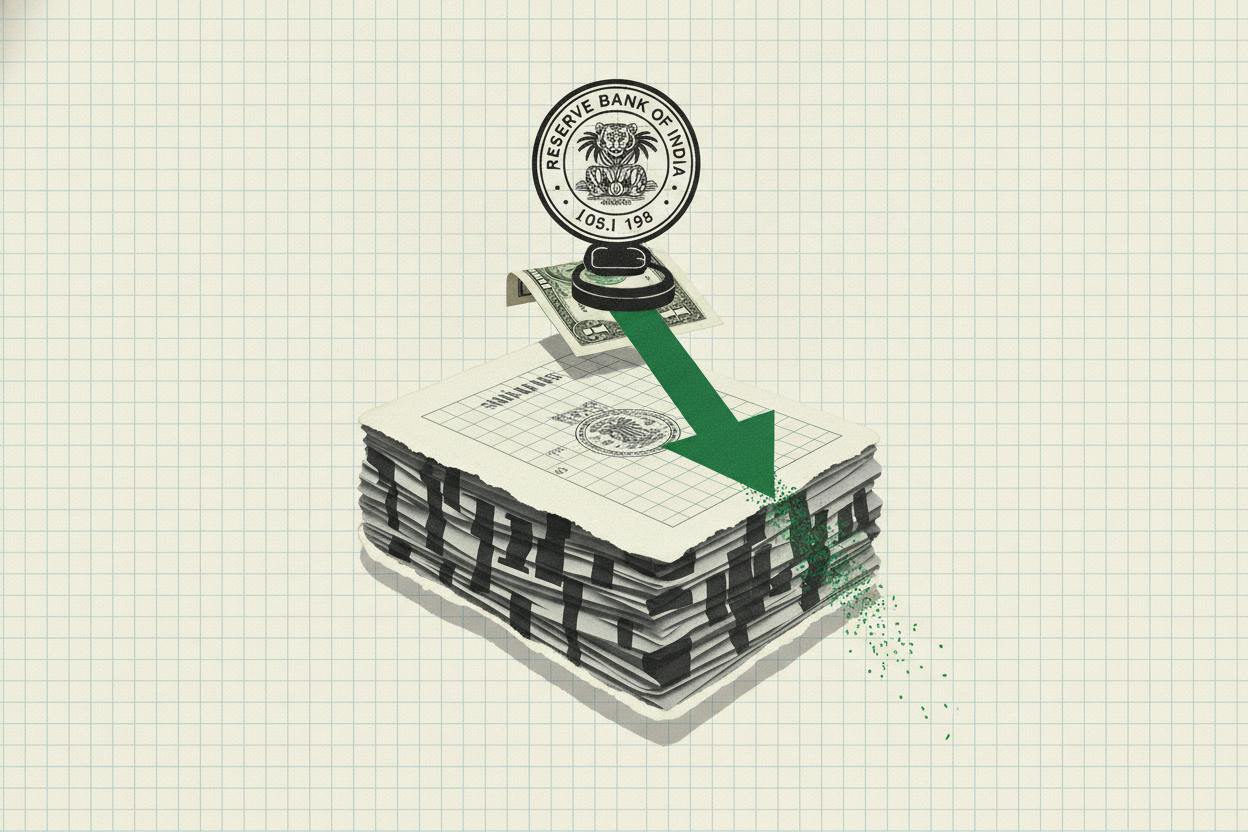
India's Supreme Court has delivered a landmark ruling that overturns Yes Bank's write-off of 84 billion rupees ($884 million) in additional tier-1 (AT1) bonds, a move that was part of the bank's 2020 rescue package. The court called the wipeout "illegal and arbitrary," a decision that could have far-reaching implications for how bank rescues are handled in India and for investors who hold these risky debt instruments.
What are AT1 bonds?
AT1 bonds, also known as contingent convertible bonds or CoCos, are a type of bank debt designed to absorb losses during a financial crisis. They sit somewhere between equity and traditional debt on a bank's balance sheet. Regulators have the power to convert them into shares or write them off entirely if a bank's capital falls below a certain threshold. This mechanism is meant to shore up the bank's finances without requiring a taxpayer-funded bailout.
Because of this built-in risk, AT1 bonds typically offer higher yields than regular corporate bonds. They are marketed to institutional investors and sophisticated individuals who understand that, in a crisis, they could lose their entire investment. However, the Yes Bank case has highlighted that the biggest uncertainty for AT1 holders may not be the fine print in the bond documents, but how a rescue plan is executed by regulators and the bank.
The Yes Bank rescue and the write-off
Yes Bank, once one of India's most prominent private lenders, faced a severe crisis in early 2020. Its balance sheet was riddled with bad loans, and the Reserve Bank of India (RBI) had to step in with a rescue plan. As part of that plan, the bank's AT1 bonds were written off, meaning bondholders lost their money. The RBI argued that this was necessary to restore the bank's capital and keep it afloat.
But the Supreme Court has now ruled that the write-off was not legally sound. The court's decision does not necessarily mean the bonds will be reinstated, but it opens the door for bondholders to seek compensation or for the government to reconsider how such rescues are structured. The ruling also raises questions about the RBI's role and the transparency of its decisions during a crisis.
What this means for investors
For everyday investors, this ruling is a reminder that AT1 bonds are not like regular bonds. They are designed to be risky, and investors should be prepared for the possibility of losing their principal. However, the Yes Bank case adds another layer of complexity: even if the bond terms are clear, the way a rescue is executed can be challenged in court. This legal uncertainty makes AT1 bonds even riskier than they might appear on paper.
The ruling could also have broader implications for India's banking sector. It may make regulators more cautious about how they handle future bank rescues, and it could affect the pricing of AT1 bonds issued by other Indian banks. Investors in these instruments may demand higher yields to compensate for the added legal risk.
For those who hold AT1 bonds, the decision is a positive development, but it is not a guarantee of recovery. The court has not ordered the bank to repay the bonds; it has only said the write-off was illegal. The next step will likely involve further legal proceedings to determine what happens to the bonds and whether bondholders are entitled to any compensation.
Context: India's banking and regulatory landscape
This ruling comes at a time when India's banking sector is under scrutiny. The RBI has been dealing with multiple challenges, including defending the rupee against a weakening global economy and managing inflation. The central bank has also been involved in other high-profile bank rescues, such as the recent approval of Fairfax's acquisition of a stake in IDBI Bank. These events highlight the delicate balance regulators must strike between protecting depositors, maintaining financial stability, and respecting the rights of investors.
The Supreme Court's decision could set a precedent for how AT1 bonds are treated in future crises, not just in India but potentially in other markets as well. It underscores the importance of clear and fair procedures when regulators exercise their powers to write off debt.
What to watch next
Investors will be watching closely to see how Yes Bank and the RBI respond to the ruling. Will they appeal? Will they offer compensation to bondholders? And how will this affect the bank's capital position? The answers to these questions will determine the ultimate impact of the court's decision.
For now, the key takeaway is that AT1 bonds are not for the faint-hearted. They offer higher returns but come with significant risks, including the possibility of a total loss. The Yes Bank case shows that even when a write-off is part of a government-backed rescue, it can be legally contested. As always, investors should carefully assess their risk tolerance before investing in such instruments.