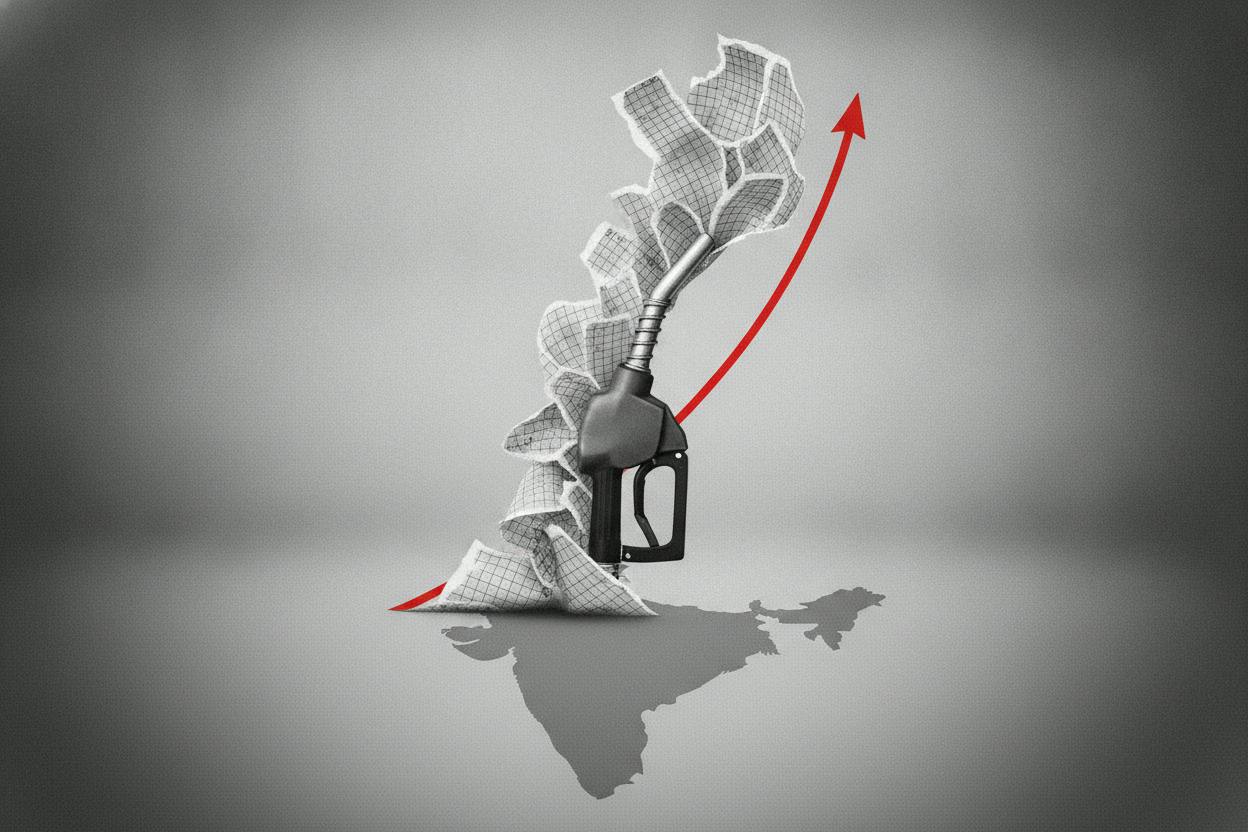
India's wholesale inflation accelerated to 12.29% in October, the highest reading since the current wholesale price index (WPI) series began, according to data reported by Reuters. The jump was driven by a 32.84% surge in fuel and power costs, which more than offset a slight easing in manufactured goods inflation.
The October print came in hotter than September's 11.39% and edged above economists' forecast of 12.1%, signaling that price pressures are building again across the economy. The data keeps alive speculation that the Reserve Bank of India (RBI) may need to raise interest rates sooner rather than later, especially after retail inflation crossed the central bank's 6% upper tolerance band.
What's behind the spike?
Energy is doing most of the heavy lifting. Crude petroleum and natural gas prices rose a staggering 70.8% year-on-year in October, reflecting the global surge in oil and gas prices that has been squeezing economies worldwide. Fuel and power costs, which include electricity and other energy inputs, jumped 32.84%.
Manufactured goods inflation, meanwhile, eased slightly, suggesting that the current squeeze is still concentrated in fuel-linked inputs rather than spreading broadly across consumer goods. That distinction matters because it helps explain the gap between wholesale and retail inflation.
Wholesale inflation measures the prices that factories and businesses pay for goods at the bulk level, while retail inflation (the Consumer Price Index, or CPI) tracks what consumers actually pay at the checkout. Because energy costs feed into everything from transportation to packaging, a spike in wholesale prices often takes time to filter through to retail prices. But when wholesale prices stay elevated for long, businesses eventually pass those costs on to consumers.
In October, retail inflation crossed the 6% mark, breaching the RBI's comfort zone. That combination—retail inflation above the target and wholesale inflation at a record—puts the central bank in a tough spot.
Rate-hike pressure builds
The RBI has kept its key policy rate on hold for several meetings, arguing that inflation is largely supply-driven and that raising rates could choke off economic growth. But with wholesale inflation at a record and retail inflation above target, that stance is becoming harder to defend.
Economists and market participants are now watching for any shift in the RBI's language. A rate hike would make borrowing more expensive for businesses and consumers, which could slow down economic activity. For investors, that means bond yields could rise and interest-rate-sensitive sectors like real estate and autos might come under pressure.
The situation in India is part of a broader global trend. Central banks around the world are grappling with inflation that has proven stickier than expected. For instance, the Taiwan central bank has hinted at a December rate hike if inflation stays hot, and the Bank of Japan's board member has urged a faster path to neutral rates as inflation risks build. Even in Australia, inflation worries have returned ahead of the Reserve Bank's minutes.
What it means for investors
For everyday investors, the key takeaway is that inflation is not going away quietly. Wholesale inflation at a record means businesses are facing higher input costs, which could squeeze profit margins unless they can pass those costs on to consumers. That could show up in corporate earnings reports in the coming quarters.
If the RBI does raise rates, it could affect everything from home loans to stock market valuations. Higher rates tend to make bonds more attractive relative to stocks, and they can also weigh on growth-sensitive sectors. On the other hand, some sectors, like energy companies, may benefit from higher fuel prices.
Investors should also keep an eye on the rupee. A rate hike could attract foreign capital, which might support the currency. Indeed, foreign investors have already poured $8.9 billion into Indian stocks in November, and a stronger rupee could add to that momentum. However, if inflation stays hot and the RBI is slow to act, the rupee could come under pressure.
The wholesale inflation data also has implications for the broader economy. High fuel prices are a drag on economic activity, as they raise transportation and logistics costs. That could weigh on manufacturing and exports, even as the government tries to boost growth.
For now, the focus will be on the RBI's next policy meeting and any signals about the future path of interest rates. The central bank has a delicate balancing act: tame inflation without derailing growth. Investors will be watching closely for any hints of a shift.
In the meantime, the record wholesale inflation print is a reminder that price pressures remain a key risk for markets. As Saudi stocks slipped on geopolitics outweighing cooler inflation, and Nigeria's inflation and sliding oil set the tone for Africa's week, India's inflation story is part of a global narrative of rising prices and central bank responses.
For investors, the message is clear: inflation is back on the agenda, and it could drive market moves in the months ahead. Staying informed and understanding how these forces affect your portfolio is more important than ever.