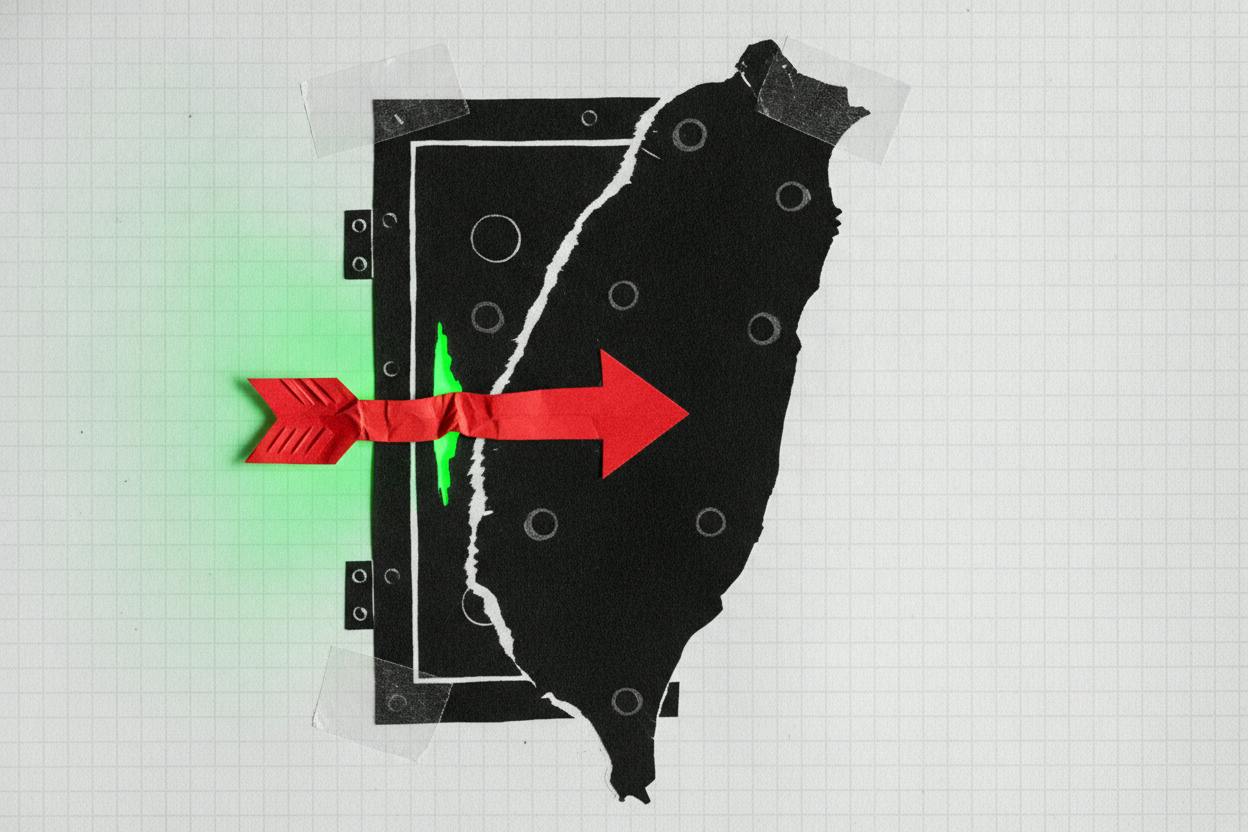
Taiwan's central bank has left the door open to another interest rate increase at its December 17 meeting, but only if inflation remains stubbornly above 2%. Governor Yang Chin-long told lawmakers that the decision will hinge on this year's and next year's inflation outlook, overseas rate moves, and whether credit growth stays healthy, according to Reuters.
The central bank kept its benchmark discount rate at 2% in September but signaled a bias toward tighter policy. That means the next move is likely tied to whether price pressures prove persistent. Yang's comments suggest the bank is prepared to act if inflation doesn't cool as expected.
Why inflation matters for rate decisions
Central banks typically raise interest rates to cool an overheating economy and bring inflation back to target. Taiwan's central bank targets inflation around 2%, and if price growth stays above that level, higher rates become more likely. A rate hike would make borrowing more expensive for businesses and consumers, which can slow spending and investment.
For everyday investors, higher rates in Taiwan could affect everything from mortgage costs to the returns on savings accounts. But the bigger immediate impact may be on financial markets, especially the New Taiwan dollar and the TAIEX, the island's main stock index.
Warning on foreign capital flows
Governor Yang also flagged a separate concern: large, one-sided foreign capital flows. He said the central bank would step in if those flows become "especially large or concentrated," signaling that it wants to smooth extreme moves in both the currency and the stock market.
This is a classic central bank stance. When foreign money pours in or out quickly, it can push the currency sharply in one direction, which can hurt exporters or importers and create volatility in asset prices. By warning that it will intervene, the central bank is telling traders not to assume a clean, one-way move in the New Taiwan dollar.
For offshore investors in Taiwanese stocks, this matters because they carry exchange-rate risk. Even if local share prices rise, a weaker New Taiwan dollar can reduce returns once converted back to US dollars. Hedging that risk costs money, so an active "smoothing" stance can change the payoff from popular Taiwan trades and make crowded bets more likely to get whipsawed.
What it means for investors
In the near term, Yang's warning could show up as sharper swings in the currency and more foreign-flow-driven moves in the stock market. Investors who are heavily positioned in Taiwan assets may want to be aware that the central bank is watching and ready to act.
The December meeting will be closely watched. If inflation stays above 2%, a rate hike is on the table. If inflation cools, the bank may hold steady. Either way, the central bank's stance is a reminder that monetary policy and currency intervention are tools that can influence market returns.
For those with exposure to Taiwan, keeping an eye on inflation data and central bank communications will be key. The situation also echoes broader global trends, as central banks worldwide grapple with sticky inflation and currency pressures. Similar dynamics are playing out in other markets, such as the US dollar's recent strength and its impact on other currencies.
Taiwan's central bank is not alone in facing these challenges. Around the world, policymakers are balancing the need to control inflation with the risk of disrupting financial markets. The outcome of Taiwan's December meeting will be a test of how it navigates that balance.