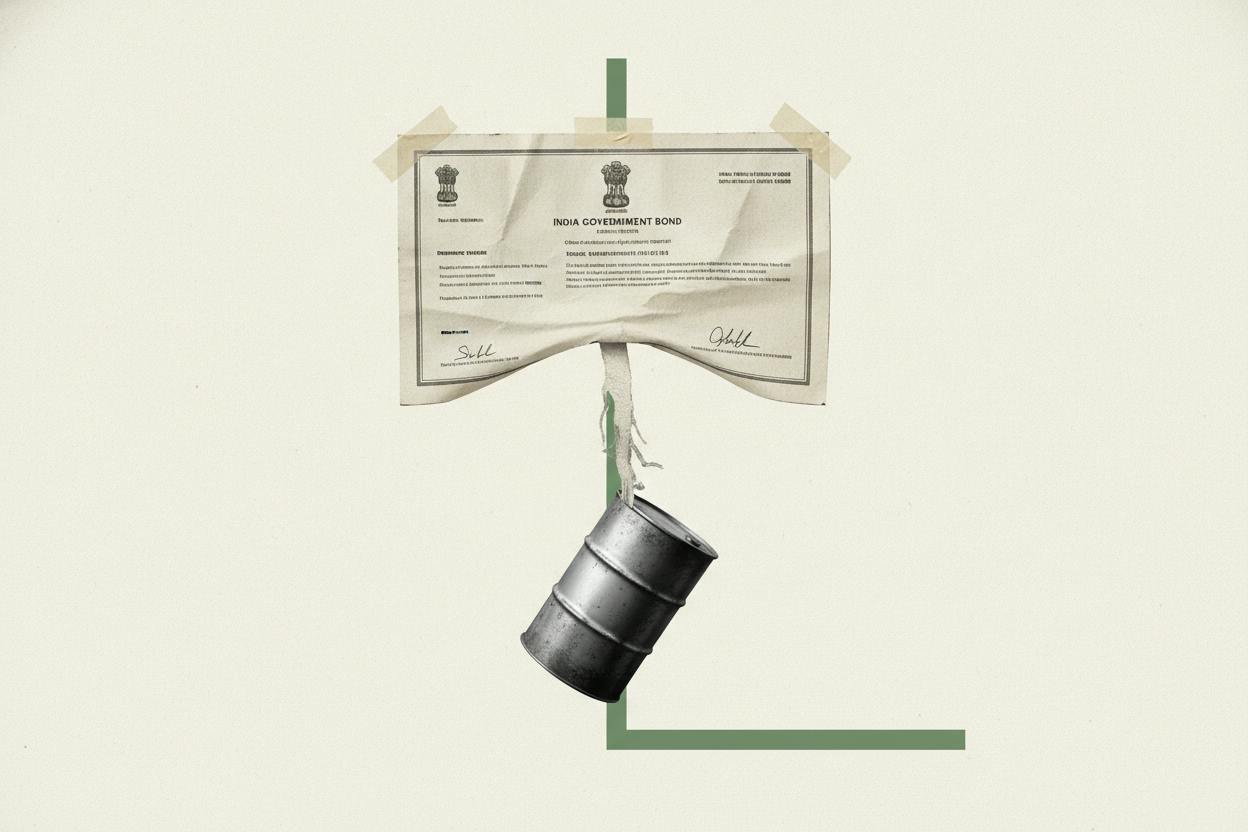
Indian government bonds rose on Friday, buoyed by a global rally in US Treasuries and a sharp drop in oil prices that together eased concerns about inflation in the world's fifth-largest economy. The move comes as traders turn their attention to next week's release of October retail inflation data, which could shape the Reserve Bank of India's (RBI) monetary policy path.
What's driving the bond rally?
The immediate catalyst was a slide in crude oil prices, with Brent falling to about $93.70 a barrel after an 8% drop. For India, one of the world's biggest oil importers, cheaper energy directly reduces the cost of imported goods and helps cool 'imported inflation'. A softer US dollar also helped, as it makes dollar-denominated commodities like oil less expensive in rupee terms.
At the same time, US Treasuries rallied after the Democrats' victory in the midterm elections, which investors interpreted as reducing the likelihood of aggressive fiscal spending. Lower US yields tend to pull down borrowing costs globally, including in emerging markets like India, making domestic bonds more attractive.
These three inputs—US yields, oil, and the dollar—are the key external forces that Indian bond traders watch closely. When they align in a favorable direction, as they did this week, it can lift sentiment across the fixed-income market.
What it means for inflation and the RBI
The easing of inflation worries is significant because it could influence what the RBI does next. India's central bank has been in a tightening cycle, raising interest rates to bring inflation back to its target range. If price pressures continue to moderate, the RBI may feel less pressure to hike aggressively, which would be supportive for bonds.
However, the RBI's decisions are not driven solely by global factors. Domestic food prices, which have a heavy weight in India's consumer price index, remain a key risk. The upcoming October retail inflation data will give traders a clearer picture of whether the recent cooling trend is holding.
Analysts note that while the global backdrop has turned more favorable, the RBI is likely to remain cautious. 'The central bank will want to see sustained evidence that inflation is moving toward its target before it signals any pause,' said one market strategist. 'A single month of softer data may not be enough to change the policy stance.'
What investors should watch next
For everyday investors, the bond market's moves matter because they influence everything from mortgage rates to the returns on fixed-income investments. When bond prices rise, yields fall, which can reduce borrowing costs for companies and consumers over time.
The key date to watch is next week's release of October retail inflation data. If the print comes in below expectations, it could fuel further gains in Indian bonds and raise hopes that the RBI is nearing the end of its hiking cycle. Conversely, a hot number could reverse the recent rally.
Investors should also keep an eye on global oil prices and the dollar, as both remain volatile. The recent slide in crude has been driven by concerns about slowing global demand, but supply disruptions could quickly change the picture.
For those with exposure to Indian fixed income, the current environment offers some relief after a challenging year. But as always, it's important to remember that markets can shift quickly, and no one should make decisions based on a single day's move.
Related coverage: For more on how the Democrats' midterm sweep is affecting markets, see European stocks hit a two-month high and the dollar's slip after the midterms. Also, check out our analysis of oil prices sliding and dragging energy stocks.