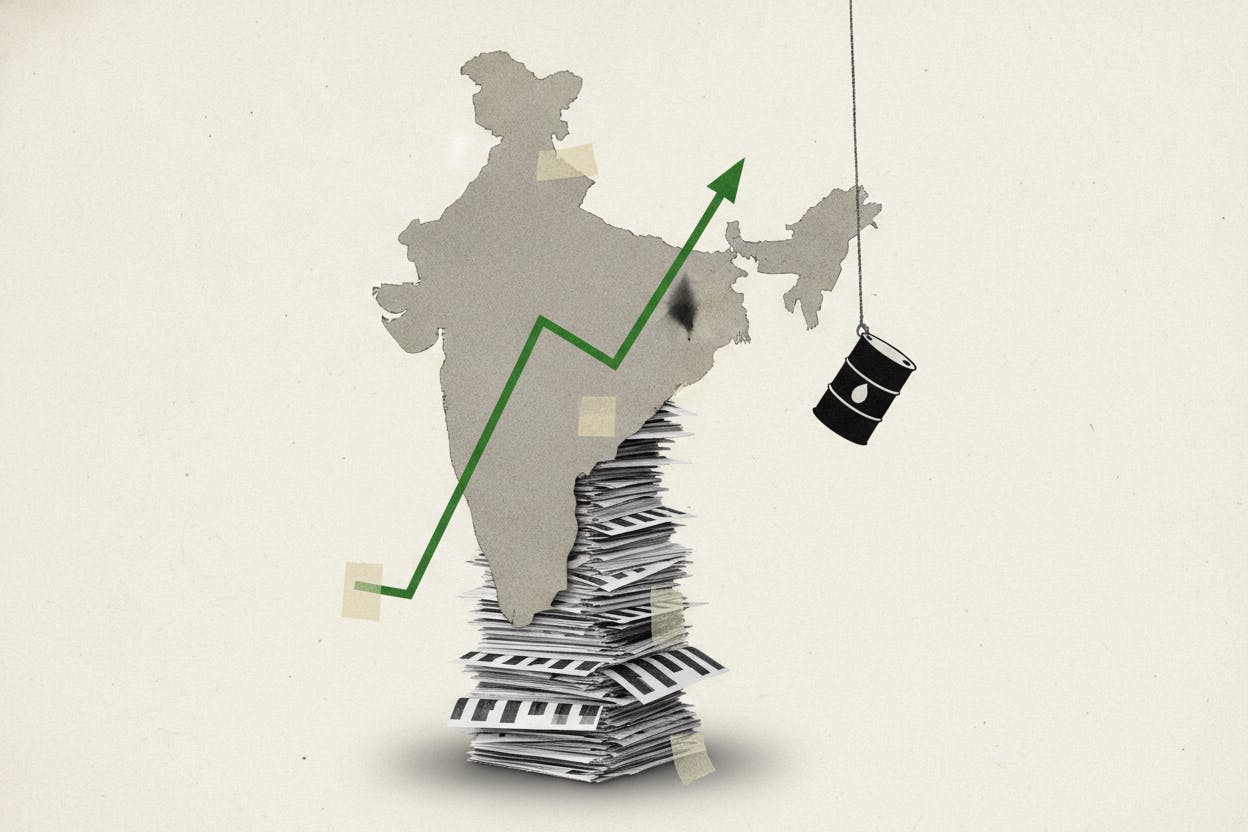
Indian stocks climbed in early trading Wednesday, driven by a recovery in financial stocks as companies began reporting their June-quarter results. The positive start came as softer-than-expected US inflation data lifted global sentiment, but gains were tempered by higher oil prices and escalating tensions between the US and Iran.
Financials Lead the Charge
The rebound in financial stocks was a key driver of the broader market's advance. Banks and other financial firms, which had faced pressure in recent sessions, found renewed buying interest as investors focused on the start of the earnings season. The sector's performance is closely watched because it accounts for a significant portion of India's market capitalization and often sets the tone for the broader market.
Earnings season is a critical period for investors, as it provides a clearer picture of corporate health and future prospects. For financial firms, analysts will be looking at loan growth, asset quality, and net interest margins—key metrics that reflect the strength of the economy and consumer spending. Early reports could set expectations for the rest of the sector.
US Inflation Data Provides a Boost
The softer-than-expected US inflation reading was a welcome surprise for global markets. Lower inflation reduces the pressure on the Federal Reserve to keep raising interest rates, which in turn supports risk assets like stocks. This sentiment spilled over into Asian markets, including India, where investors saw the data as a sign that the global rate-hiking cycle may be nearing its end.
However, the optimism was not unbridled. The US inflation report, while encouraging, does not guarantee a pause in rate hikes. The Fed has emphasized that it will remain data-dependent, and future decisions will hinge on incoming economic indicators. For Indian investors, this means that global interest rate expectations will continue to be a source of volatility.
Oil Prices and Geopolitical Tensions Cap Gains
Rising oil prices and renewed US-Iran tensions acted as a drag on the market. India is a major importer of crude oil, so higher oil prices can increase the country's import bill, widen the trade deficit, and put pressure on the rupee. This, in turn, can weigh on corporate profits, especially for companies in sectors like aviation, logistics, and consumer goods that are sensitive to fuel costs.
The US-Iran tensions added a layer of geopolitical uncertainty. Any escalation in the Middle East could disrupt oil supplies, pushing prices even higher. Investors are watching these developments closely, as they could have significant implications for global energy markets and, by extension, for India's economy.
What It Means for Investors
For everyday investors, the current environment presents a mixed picture. On one hand, the start of earnings season offers opportunities to assess the health of individual companies and sectors. Financial stocks, in particular, could benefit from a strong earnings season if loan growth remains robust and asset quality holds up.
On the other hand, external factors like oil prices and geopolitical tensions remain wild cards. Investors should be prepared for continued volatility, especially if oil prices rise further or if the US-Iran situation deteriorates. Diversification across sectors and asset classes can help manage these risks.
It's also worth noting that the broader market rally in Asian stocks, driven by the US inflation surprise, has been a global phenomenon. For context, similar moves have been seen in other markets, such as the Asian stocks rally that followed the same data. However, each market has its own dynamics, and Indian investors should focus on domestic factors like earnings and monsoon progress rather than getting swept up in global sentiment alone.
Looking Ahead
As the earnings season unfolds, investors will be watching for guidance from company management on future growth prospects. The financial sector's performance will be a key barometer for the broader market. Additionally, any further developments on the US-Iran front or changes in oil prices could quickly shift market direction.
For now, the Indian market is navigating a delicate balance between positive domestic earnings expectations and external headwinds. Staying informed and focusing on fundamentals will be crucial for investors looking to make sense of the day-to-day moves.



