Dutch banking giant ING is preparing two major risk transfer deals that would cover roughly $10 billion in loans, according to a Bloomberg report. The transactions are part of a growing trend among European banks to shed risk from their balance sheets and unlock capital for new lending.
What Are Significant Risk Transfers?
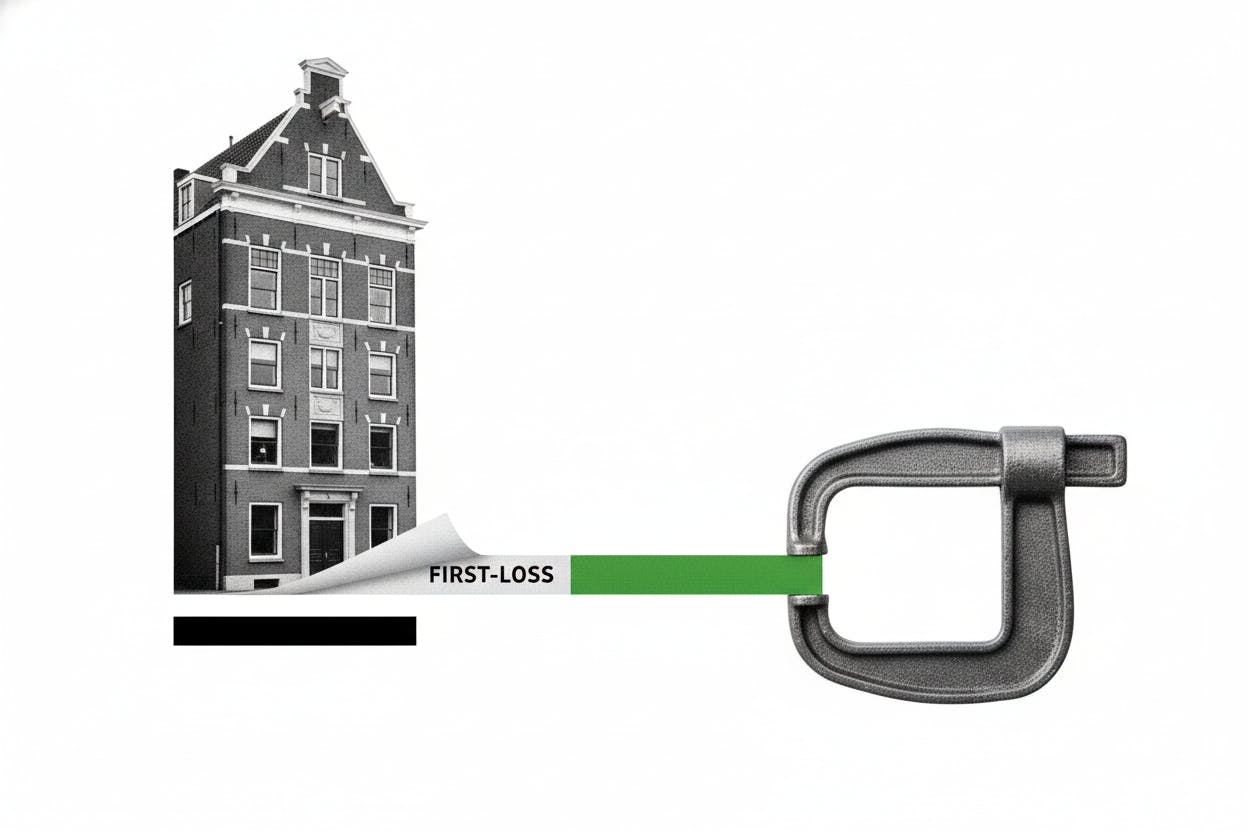
A significant risk transfer (SRT) is a financial arrangement where a bank keeps a pool of loans on its books but pays outside investors—such as hedge funds or insurance companies—to take the first chunk of potential losses. By transferring that risk, the bank can reduce the amount of capital it must hold against those loans under regulatory rules. That freed-up capital can then be used to issue new loans, buy back shares, or invest in growth.
SRTs have become more common in Europe as banks look for ways to manage capital efficiently without selling loans outright. They are particularly useful for large, illiquid portfolios like project finance or small business lending.
The Two Deals in Detail
According to Bloomberg, ING is working on two separate SRT transactions. The first is tied to roughly $6 billion of US and European project finance loans, including financing for data centers. The second covers about €3.5 billion of loans to Dutch small and medium-sized enterprises (SMEs). People familiar with the talks told Bloomberg that ING would transfer around 7% of the risk on the project finance portfolio.
Data center lending is a fast-growing area, driven by the boom in cloud computing and artificial intelligence. Banks like ING are increasingly financing the construction of these energy-hungry facilities, which require long-term, large-scale loans. The SME lending side reflects ING's core business in its home market, where it is a major lender to Dutch businesses.
Why This Matters for Investors
For everyday investors, SRT deals are a behind-the-scenes move that can affect a bank's profitability and risk profile. By offloading risk, ING can potentially improve its return on equity—a key measure of how well it uses shareholder money. It also reduces the chance of big losses if the loans go bad, which can protect dividends and share prices.
However, investors should note that SRTs are not a sign of distress. They are a routine capital management tool used by well-capitalized banks. ING's move is similar to actions taken by other European lenders, such as Barclays expanding its Asia-Pacific teams to chase growth, or Gerresheimer selling units to cut debt. All are ways to optimize balance sheets.
The broader context is that European banks are under pressure to boost returns amid low interest rates and stiff competition. SRTs offer a way to recycle capital into higher-yielding assets. For ING, the focus on data center loans aligns with the AI-driven investment boom, which has also spurred record inflows at asset managers like Man Group.
What to Watch Next
Investors should keep an eye on how much capital ING frees up and where it deploys it. The bank may use the extra capacity to increase lending, pay dividends, or buy back shares. The success of the SRTs will also depend on investor appetite for the risk—especially for the data center loans, which are tied to a sector that is growing fast but faces energy and regulatory challenges.
If the deals go through as planned, they could set a precedent for other banks to follow, particularly those with large project finance books. For now, ING's move is a reminder that even in a low-risk banking environment, there are sophisticated tools at work to keep capital flowing.