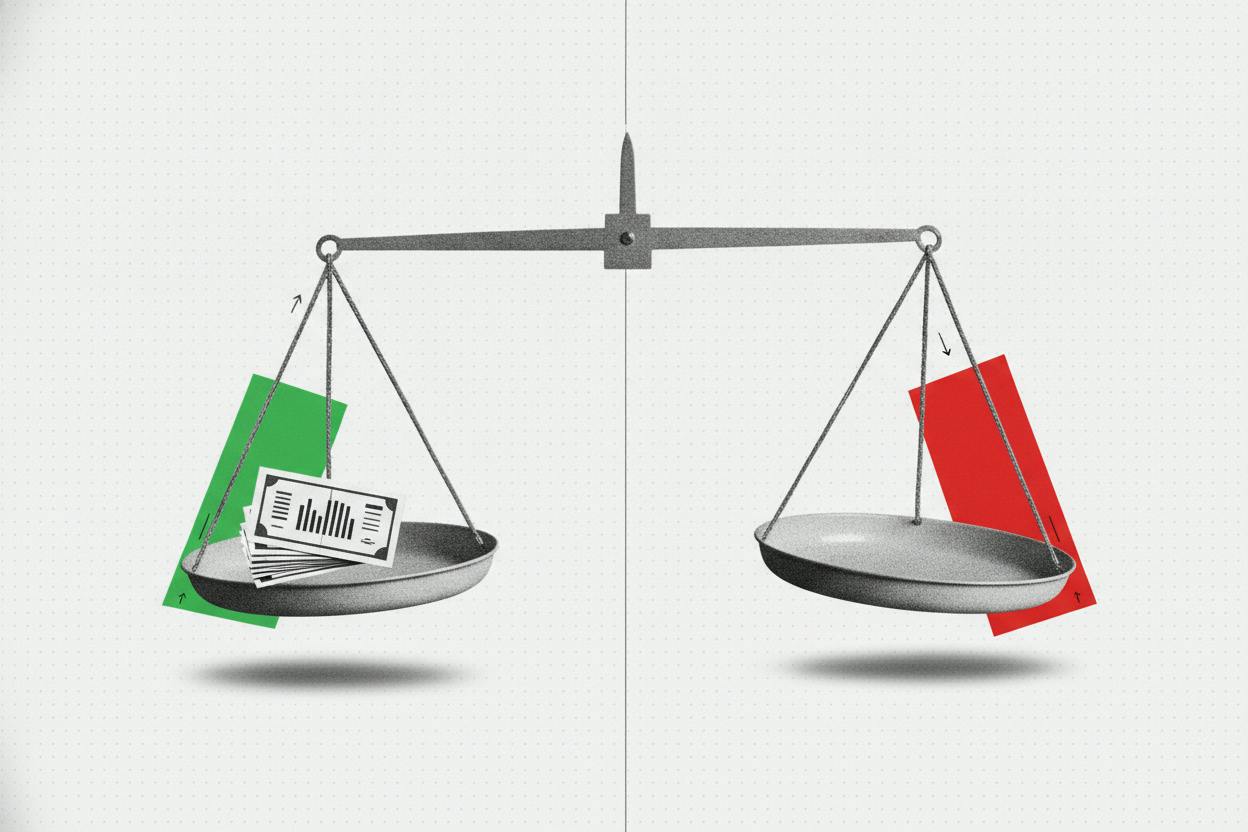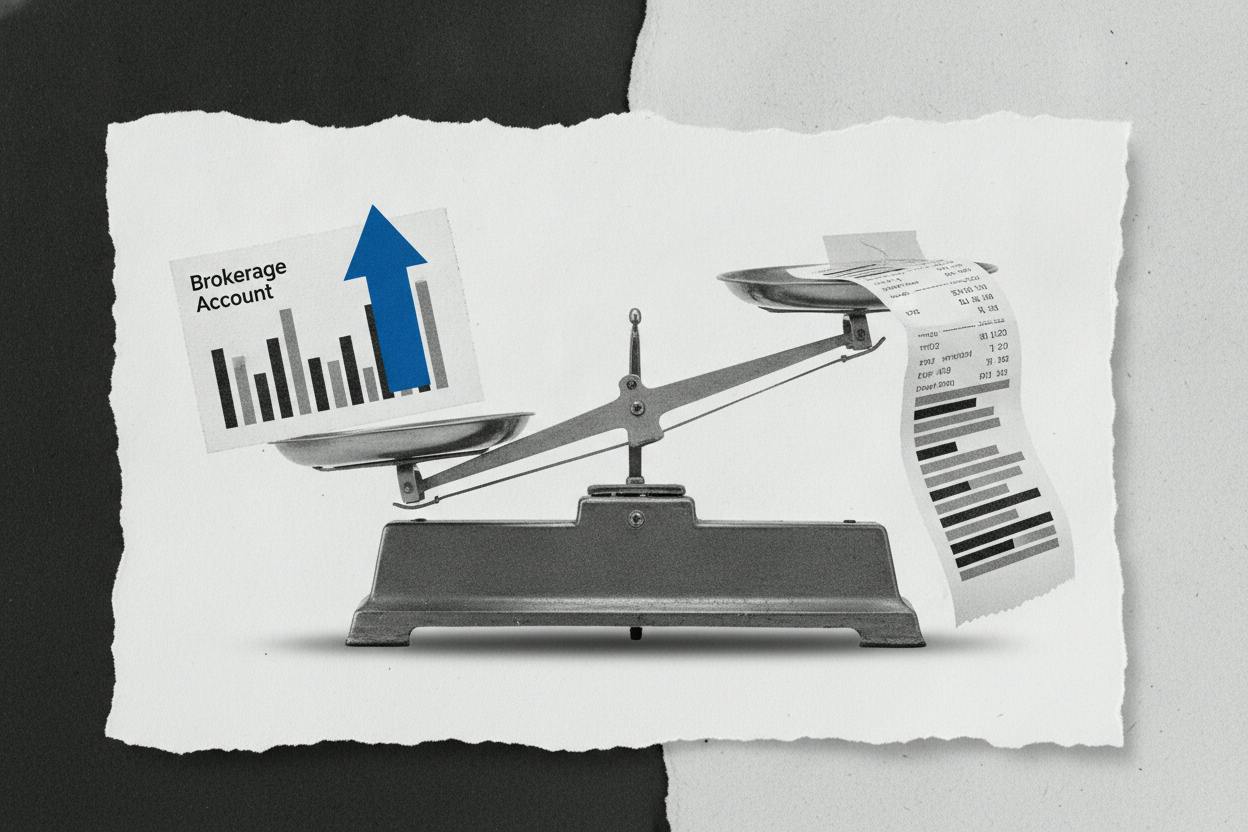
Consumer confidence brightened a touch in early October, but the improvement masks a growing divide: investors are feeling noticeably better about the economy than people who don't own stocks or funds. According to a RealClearMarkets survey, investor optimism climbed to 62.3, while non-investors slipped to 37.2—the widest gap on record.
The overall index inched up to 46.8 from 45.6 in September. That's still a downbeat reading, since anything below 50 means pessimists outnumber optimists. The six-month outlook also improved, rising to 42.7 from 41.3, and views on personal finances stayed in positive territory at 53.4. The survey's Financial Related Stress Index dipped slightly to 64.5, pointing to marginally easing strain.
But TechnoMetrica, the polling firm behind the data, noted that while most measures improved, investors pulled further ahead as non-investors slipped. That makes the "average" confidence number a less reliable snapshot of how typical households feel.
Why the split?
The divergence isn't surprising to economists. People who own stocks or retirement accounts often feel the "wealth effect"—when portfolio values rise, they feel richer and more willing to spend. That can boost their outlook even if everyday costs remain high.
Non-investors, by contrast, tend to base their sentiment on wages, rent, and the price of essentials. Even if inflation has cooled from its peaks, many households still feel the pinch of higher prices for groceries, utilities, and housing. Without the tailwind of rising asset prices, their mood stays tied to the realities of their monthly budget.
This isn't just an academic point. It has real implications for the economy and markets. If higher-income, investor-heavy households keep spending, that can support demand for discretionary goods and services. But if non-investors remain cautious, price-sensitive categories—like discount retailers or budget travel—could see softer demand.
What it means for investors
For everyday investors, the takeaway is that "consumer confidence" is not one mood. Your 401(k) and your grocery bill can be telling two different stories. If you own stocks or funds, your outlook often tracks portfolio values. But many households without that cushion are still feeling strained.
That split can translate into uneven demand across the economy. High-end discretionary spending may hold up while more price-sensitive areas stay under pressure. Companies that cater to wealthier consumers might fare better than those relying on budget-conscious shoppers. For a related look at how consumer demand is playing out in different markets, see India's jewelry-led demand and Godrej's sales growth despite cost pressure.
The survey also echoes trends seen elsewhere. In Australia, for example, consumer confidence has slid to historic lows after the central bank raised rates to a 15-year high, as this report shows. And in the US, recent services surveys have flagged hotter prices, which could keep pressure on household budgets.
For now, the overall index remains below 50, meaning pessimists still outnumber optimists. But the fact that investors are feeling better could be a sign that markets are looking past current challenges. Whether that optimism spreads to the broader population may depend on whether wage growth can keep pace with living costs—and whether the wealth effect reaches more households.
As always, it's worth watching how this sentiment split evolves. If non-investor confidence continues to lag, it could signal that the economic recovery is uneven, with potential implications for consumer spending and corporate earnings down the line.