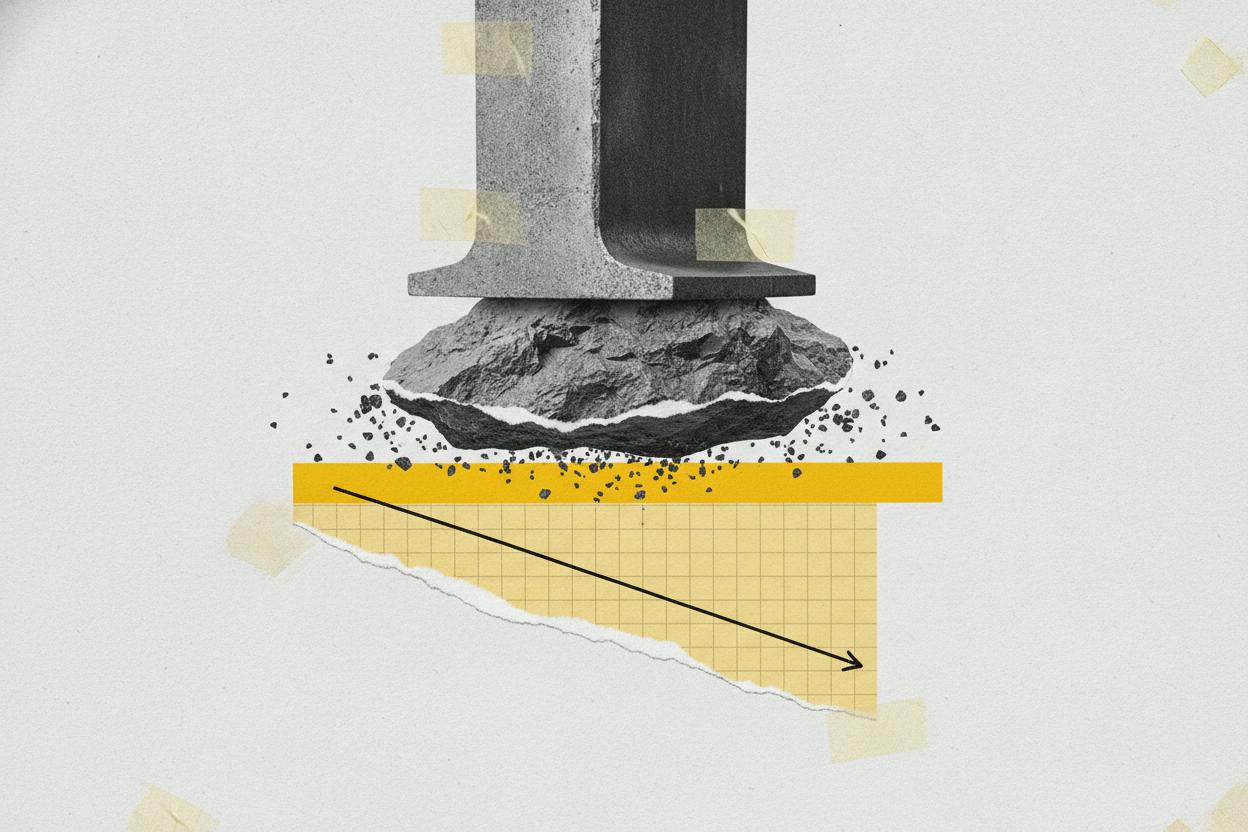
Iron ore is struggling to find a footing. Futures in China slipped again, and the Singapore benchmark stayed below $90 a ton, as the world's biggest buyer of the steelmaking ingredient keeps its purchasing on a short leash. The latest data show hot metal output—the molten iron that feeds steel production—has fallen for six straight weeks, a clear sign that Chinese mills are pulling back.
China buys the vast majority of the world's seaborne iron ore, so when its steel industry hits a rough patch, the ripple effects are felt across global commodity markets. Right now, steel margins in China are thin, meaning mills are barely making money—or losing it—on each ton of steel they sell. In that environment, producers prioritize cash preservation over output. They run down existing inventories and buy ore only as needed, rather than building up stockpiles in anticipation of future demand.
That behavior is showing up in both prices and production. The most-traded Dalian Commodity Exchange contract has slipped, while the Singapore Exchange's benchmark iron ore price remains below the psychologically important $90 level. For context, iron ore has spent much of the past two years above $100, and the current level is close to the lowest in about four years.
Why steel margins matter so much
Steel margins are the difference between what a mill pays for raw materials—iron ore, coal, and other inputs—and what it can sell finished steel for. When those margins are healthy, mills run at full tilt and restock aggressively, which supports iron ore prices. When margins are thin, the opposite happens: mills cut output, delay purchases, and let inventories dwindle.
That dynamic is exactly what's playing out now. With hot metal output falling for six consecutive weeks, the message from China's steel sector is clear: demand for the raw material is cooling. The brief rebound in futures that sometimes follows a price dip is less likely to translate into sustained spot-market buying when mills are this cautious.
This isn't just a China story. Iron ore is a bellwether for global industrial activity, and its weakness often signals broader concerns about economic growth. For investors, the commodity's slide is a reminder that demand for basic materials can shift quickly when the biggest consumer slows down.
What it means for investors
For everyday investors, the iron ore slump has a few implications. First, it weighs on the share prices of major miners like BHP, Rio Tinto, and Vale, which derive a large chunk of their revenue from iron ore sales. When the commodity price falls, their earnings and dividends come under pressure. If you hold mining stocks directly or through an index fund, this is worth watching.
Second, the weakness in iron ore is a signal about China's economy. Steel is used in construction, infrastructure, and manufacturing, so a sustained drop in steel output suggests those sectors are not firing on all cylinders. That has knock-on effects for everything from steel imports to global shipping rates.
Third, the trend could have a silver lining for some. Lower iron ore prices reduce input costs for steelmakers outside China, potentially improving their margins. But for now, the dominant story is one of weak demand and cautious buyers.
Investors should also keep an eye on policy responses. Chinese authorities have been trying to support their economy and stock market, as seen in recent moves to ease margin requirements for equities. If those measures translate into a broader economic pickup, steel demand could recover, and iron ore prices might find a floor. But until there's clear evidence of that, the commodity is likely to stay under pressure.
For now, the key metric to watch is hot metal output. If it stabilizes or starts to climb, that would be an early sign that mills are regaining confidence. Until then, iron ore's slide looks set to continue.