The Italian government has extended a temporary cut to diesel excise taxes and signaled a push to accelerate domestic oil and gas drilling, part of a broader effort to ease energy costs and shore up supply security.
Rome said the 17-euro-cent-per-liter reduction in diesel excise duty, which was due to expire, will now remain in place until September 17. The extension keeps a lid on pump prices for a few more weeks, though it also trims the government's near-term tax revenue from fuel sales.
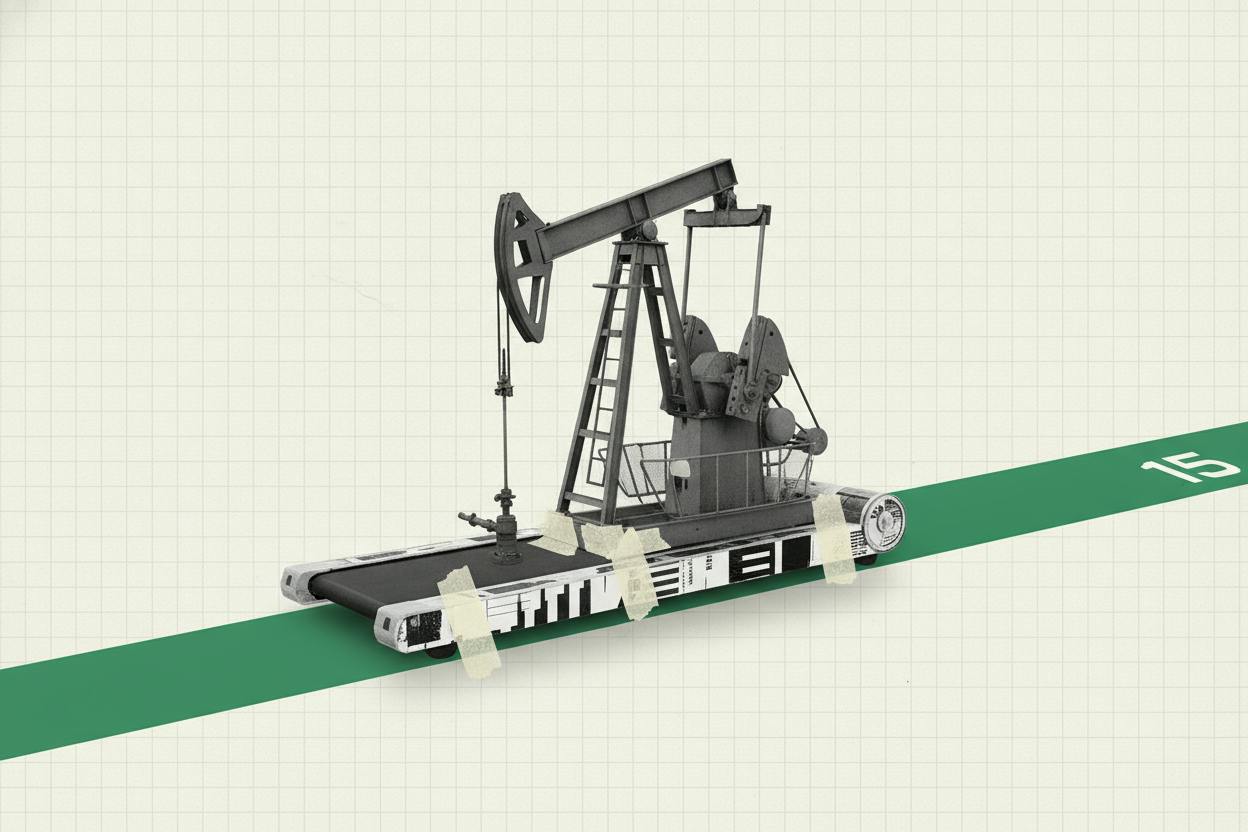
At the same time, the administration of Prime Minister Giorgia Meloni said it will appoint commissioners to help local offices process hydrocarbon permits more quickly. The goal is to speed up approvals for domestic oil and gas projects, reducing Italy's reliance on imported energy.
Why the diesel tax cut matters
Excise duties are taxes levied on specific goods, and fuel is a classic example. In Italy, diesel carries a significant excise component, and cutting it by 17 euro cents per liter directly lowers the price at the pump. For consumers and businesses that rely on diesel vehicles—from trucking firms to farmers—even a temporary reduction can provide noticeable relief.
The extension comes as European governments continue to grapple with energy costs that spiked sharply in recent years. While wholesale fuel prices have eased from their peaks, retail prices remain sensitive to tax policy and global oil market movements. By keeping the cut in place, Italy is choosing to forgo some tax revenue to support household and business budgets.
For the government's finances, the move is a modest but real cost. Every week the cut remains in force means less money flowing into state coffers from diesel sales. That could complicate Italy's already tight fiscal picture, especially as the country manages high public debt and works to meet European Union budget rules.
Drilling push and energy security
The decision to appoint commissioners to speed up hydrocarbon permits is a more structural move. In Italy, as in many countries, oil and gas drilling projects often face lengthy approval processes involving multiple layers of local, regional, and national bureaucracy. By appointing commissioners, the government aims to cut through red tape and get projects moving faster.
This fits with Meloni's stated focus on "energy security." The idea is that producing more energy at home reduces dependence on imports, which can be subject to price swings and geopolitical disruptions. Italy imports a large share of its natural gas and oil, so boosting domestic output could help stabilize supply and prices over the longer term.
However, the drilling push is likely to face opposition from environmental groups and some local communities concerned about the impact of new fossil fuel projects. The government will need to balance its energy security goals with environmental and regulatory considerations.
What it means for investors
For everyday investors, the diesel tax extension is a reminder that government policy can directly affect the cost of living and the profitability of certain sectors. Lower fuel taxes can support consumer spending by leaving more money in people's pockets, but they also reduce government revenue, which can affect public finances and, indirectly, bond markets.
The drilling acceleration could be more significant for energy investors. Companies with exploration or production interests in Italy may benefit from faster permitting, potentially bringing new projects online sooner. That could boost their revenues and cash flows, though the actual impact will depend on the size and viability of the projects involved.
Investors should also watch how this fits into Italy's broader energy strategy. The country has been investing in renewable energy and is also a key transit point for natural gas from North Africa and the Middle East. A faster domestic drilling program could complement those efforts, though it may also signal a continued reliance on fossil fuels at a time when many investors are focusing on environmental, social, and governance (ESG) criteria.
For those with exposure to Italian energy companies or fuel retailers, the tax cut could slightly reduce margins on diesel sales, but the volume impact is likely to be modest. The bigger story is the potential for new drilling activity, which could create opportunities for service providers and equipment suppliers.
As always, it's important to remember that policy changes like these are just one factor in investment decisions. Energy markets are influenced by global supply and demand, OPEC decisions, geopolitical events, and technological shifts. Investors should consider the broader picture rather than reacting to a single policy announcement.
In the coming weeks, markets will be watching for further details on which projects might be fast-tracked and how quickly the commissioners can make a difference. The diesel tax cut will also be monitored for its impact on inflation and consumer spending, especially as Italy heads into the autumn.