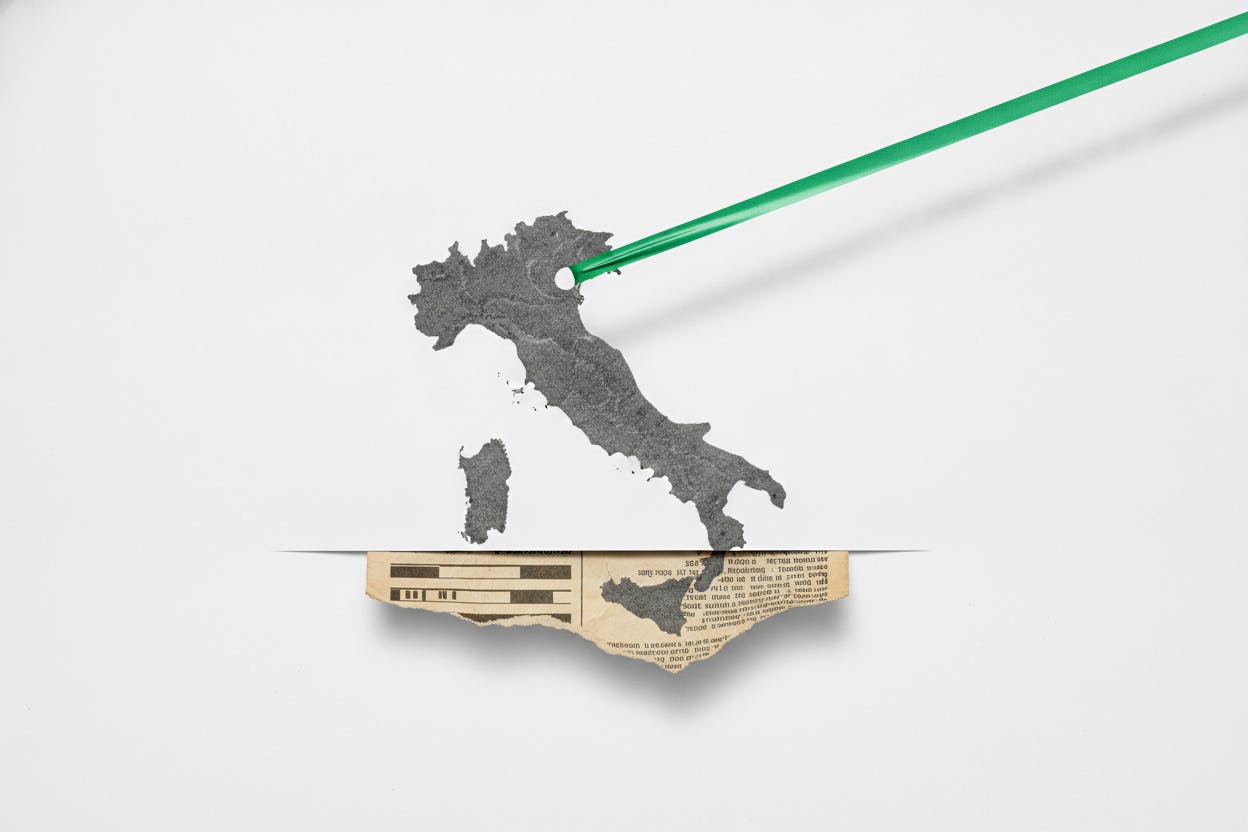
Italy's banking sector is in the spotlight as two major developments signal a potential wave of consolidation. Germany's chancellor has indicated that Berlin will not block UniCredit's interest in Commerzbank, while Rome has hinted it is close to selling its 4.9% stake in Monte dei Paschi di Siena. These moves suggest a shift toward more cross-border bank mergers in Europe and a retreat from crisis-era government interventions.
What's Happening?
German Chancellor Friedrich Merz said the government will not stand in the way of a UniCredit-Commerzbank transaction. This is a significant signal because Commerzbank is one of Germany's key lenders, and political considerations often influence major banking deals. Meanwhile, Italy's government signaled it is nearing the sale of its remaining 4.9% stake in Monte dei Paschi di Siena, a bank that was bailed out during the financial crisis.
These two headlines are parts of the same broader trend: European banks are increasingly looking to merge across borders to gain scale and efficiency, while governments are stepping back from the rescue roles they took on during the 2008 financial crisis and the eurozone debt crisis.
Context and Background
UniCredit, Italy's largest bank by assets, has been eyeing Commerzbank for some time. A deal would create one of Europe's largest banking groups, combining UniCredit's strong presence in Italy and Central Europe with Commerzbank's deep roots in Germany's corporate lending market. However, such cross-border mergers have historically been rare in Europe due to regulatory hurdles and political sensitivities. The German chancellor's statement removes a key obstacle, though any deal would still require approval from regulators and shareholders.
Monte dei Paschi di Siena, the world's oldest bank, was rescued by the Italian government in 2017 after years of losses. The state has been gradually reducing its stake, and a full exit would mark the end of a long chapter of government involvement in the bank. Selling the remaining 4.9% stake would signal that the bank is now stable enough to stand on its own, and it could pave the way for further consolidation in Italy's banking sector.
These developments come as European banks are navigating a period of higher interest rates, which have boosted profits but also raised concerns about loan defaults. At the same time, banks are investing heavily in technology and digital services to compete with fintech firms. The broader backdrop includes ongoing discussions about creating a more integrated European banking market, which could help banks diversify risks and improve profitability.
What It Means for Investors
For everyday investors, these headlines point to potential opportunities and risks in the banking sector. Cross-border mergers can create stronger, more diversified banks that are better able to weather economic downturns. However, they also come with integration risks, such as cultural clashes and cost overruns. Investors should watch for any formal announcements from UniCredit or Commerzbank, as well as regulatory approvals.
The sale of Monte dei Paschi's stake is a positive sign for the Italian banking sector, as it suggests the government is confident enough to exit its investment. This could boost investor sentiment toward other Italian banks, which have been under pressure in recent years. However, the sale itself is small and may not have a major impact on the broader market.
Investors should also consider the broader implications for European banking. If the UniCredit-Commerzbank deal goes through, it could encourage other cross-border mergers, potentially reshaping the competitive landscape. This could benefit larger banks with strong balance sheets, while smaller banks may face increased pressure to merge or find niche strategies.
For those with exposure to European bank stocks or ETFs, these developments are worth monitoring. The banking sector is sensitive to interest rate changes, economic growth, and regulatory shifts, so any major deal could affect valuations. As always, diversification is key, and investors should avoid making decisions based on a single headline.
Looking Ahead
The coming weeks will be crucial. UniCredit may make a formal offer for Commerzbank, and Italy's government could announce the sale of its Monte dei Paschi stake. Investors will also be watching for any political pushback, especially in Germany, where some lawmakers may oppose a foreign takeover of a major bank. Meanwhile, the European Central Bank and other regulators will have a say in any deal, ensuring it meets capital and competition requirements.
These developments are part of a larger trend of consolidation in European banking, driven by the need for scale, efficiency, and digital investment. While the path ahead is uncertain, the signals from Berlin and Rome suggest that the door is open for more dealmaking.